What Safety Features Matter Most for Teen Drivers
The features that matter most are the ones that catch a teen driver's mistakes before they become a crash.
Automatic emergency braking and blind spot warning matter most
The crashes that hurt new drivers most often happen because they didn't see something in time or didn't brake soon enough. Automatic emergency braking and forward collision warning address that directly. Blind spot warning helps with the lane changes and merges that take longer to judge when you don't have years of practice behind the wheel.
These features don't replace attention and they don't replace practice. They work best as a backstop for the moments a new driver hasn't learned to anticipate yet. A teen's own insurer or the car's manufacturer can confirm exactly which systems a given vehicle has, since the names and capabilities vary by make and model.
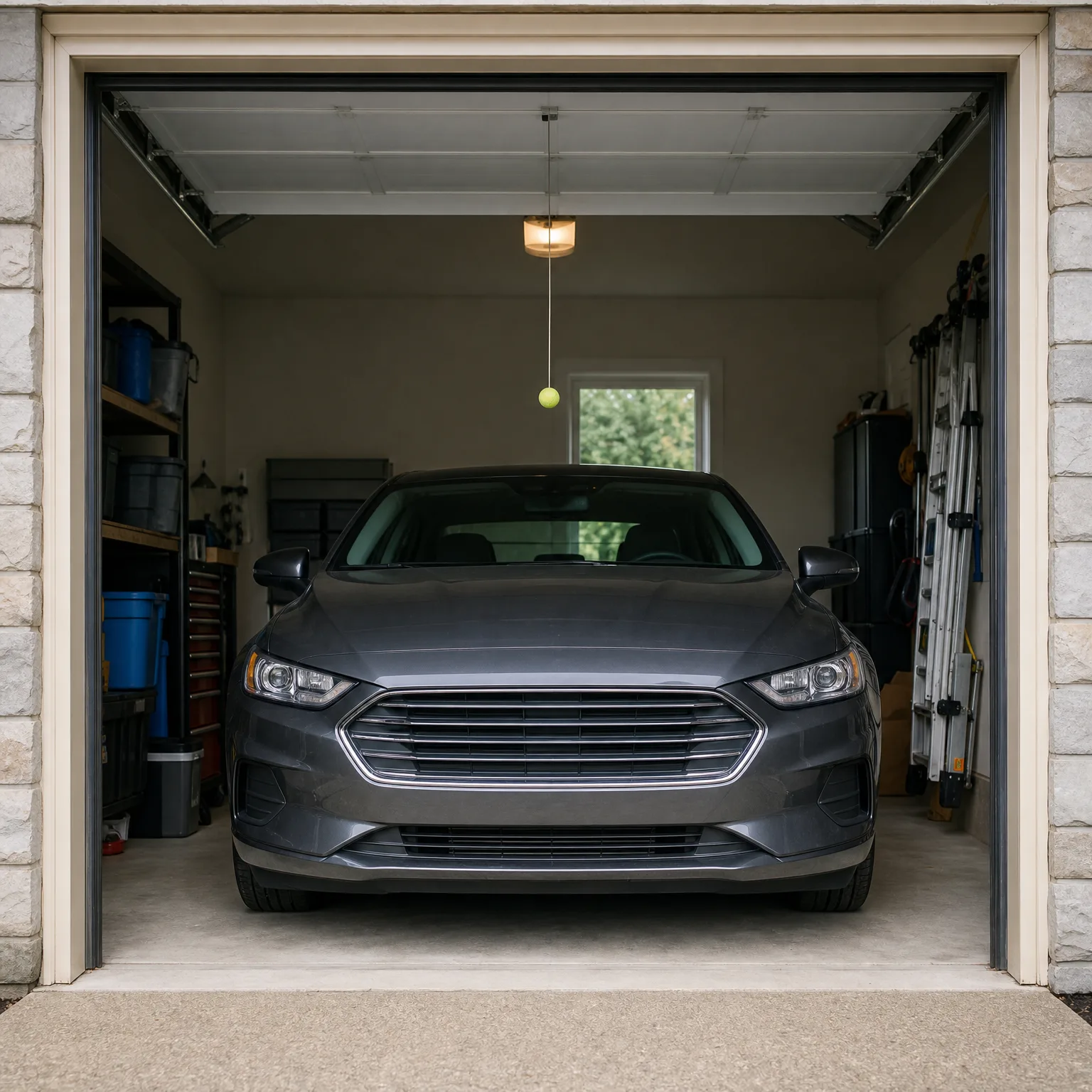
What the teen will actually drive changes which features matter
A feature only helps if it's in the car the teen is actually driving. If the household has an older vehicle that gets passed down, it may have none of these systems, and no safety ranking changes that. Check the specific vehicle's window sticker or ask the dealer which systems came standard versus optional on that trim.
If the family is choosing between vehicles for a teen driver, the gap between a car with automatic emergency braking and one without it is larger than the gap between most other options people debate, like all-wheel drive or a bigger engine.
Some insurers ask about these features when pricing a policy, since they can affect how a claim plays out. Ask the insurer directly whether the car's safety equipment affects the quote, and have the vehicle's year, make, and model on hand when you ask.
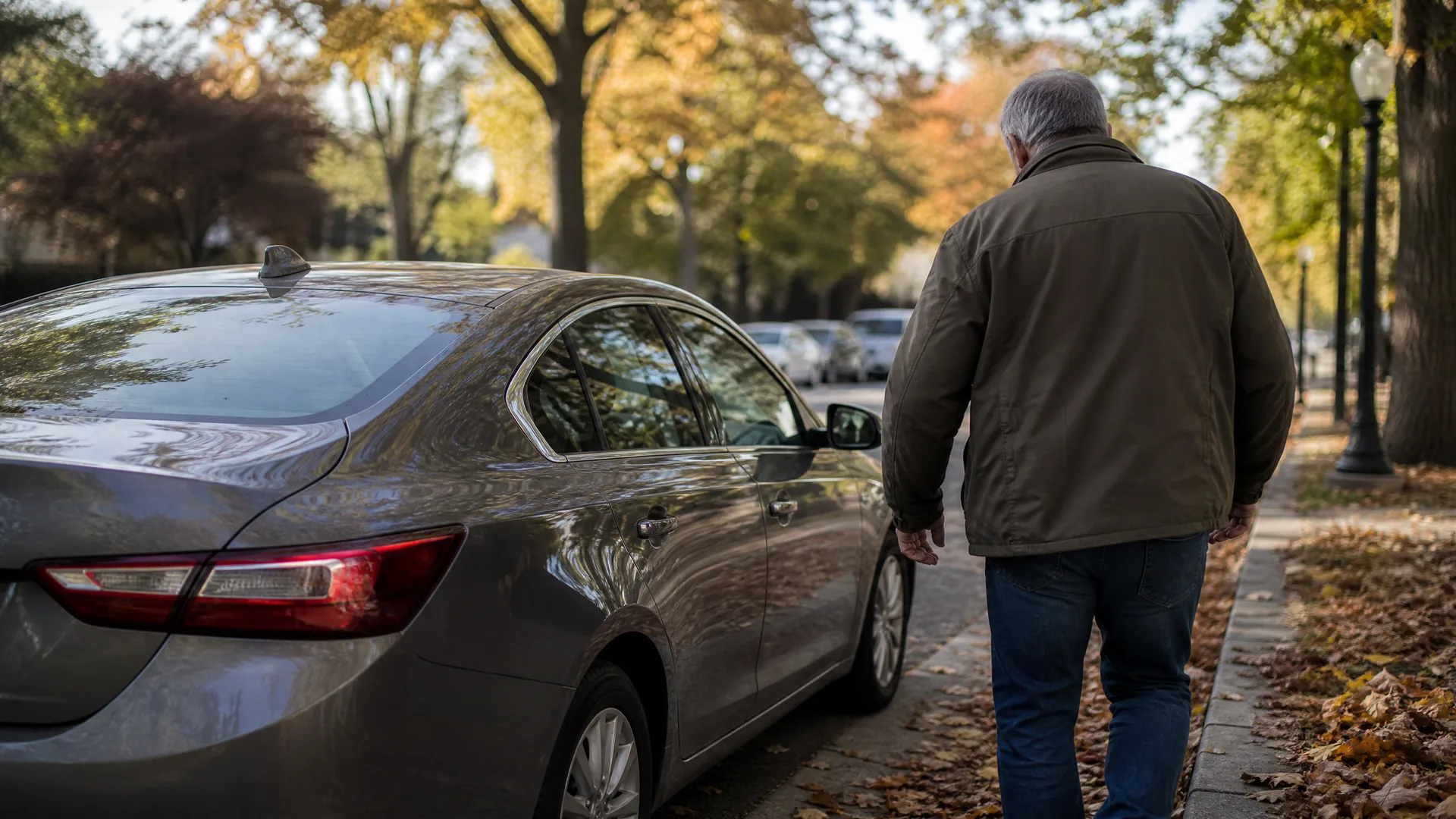
How the teen drives matters as much as what the car has
A car loaded with safety features doesn't fix inexperience on its own. The systems that matter most for teens, like automatic emergency braking and lane departure warning, are designed to catch lapses in attention and judgment. A teen who understands that these are a backstop, not a substitute for watching the road, gets more benefit from them than one who treats the car as doing the work.
Speed and night driving are where inexperience shows up most, and no equipment fully compensates for either. Some vehicles offer speed limiting or driver monitoring features that parents can set, which can help more directly than general safety ratings during the first year or two of driving.
A teen driver monitoring program through the insurer, separate from the car's built-in features, is worth asking about if the goal is to build better habits rather than just reduce the odds of a crash.
Questions people ask about this
Does a car's safety rating affect a teen's insurance rate?
It can, since insurers often look at how a vehicle performs in crash tests and what safety equipment it has. The effect varies by insurer, so ask directly whether the specific car you're considering would change the quote.
Is it better to buy a new car or an older car for a teen driver?
There's no single right answer, since it depends on what safety equipment the newer car has versus what you can afford to insure and replace. A newer car with automatic emergency braking offers real protection, but an older, larger vehicle can also do well in a crash. Compare specific vehicles rather than just their age.
Do backup cameras matter for new drivers?
They help with low speed situations like parking lots and driveways, which are common places for new drivers to have minor incidents. They matter less for the higher speed crashes that cause serious injury, so they're worth having but shouldn't be the deciding feature.
Should I get a teen driver monitoring app instead of relying on car features?
They serve different purposes. A monitoring app or program through the insurer tracks how the teen actually drives and can prompt better habits over time. Built-in car safety features act in the moment to prevent or lessen a crash. Using both addresses different parts of the risk.
Do all-wheel drive and four-wheel drive matter for teen drivers?
They help with traction in rain or snow but don't help with stopping distance or with the attention lapses that cause most teen crashes. A teen driver in a region with real winters may benefit from it, but it matters less than automatic emergency braking or blind spot warning in most situations.
If you're weighing a car for a teen driver, see how its safety features and insurance costs compare before you decide.
Pull up the window sticker or the manufacturer's spec sheet for the specific car the teen will drive, and check which safety systems are standard rather than optional on that trim. Call the insurer with the year, make, and model in hand and ask whether those features affect the quote. Ask separately whether the insurer offers a teen driver monitoring program, since that addresses habits in a way equipment alone doesn't. If you're choosing between two vehicles, compare their safety equipment side by side rather than relying on overall reputation or size. Do this before the teen starts driving regularly, since habits formed early are harder to change later.