Choosing a Car for a Grandchild
The car matters less than whose name is on the title and whose policy it ends up on.
Pick a car based on who insures it, not just who drives it
Before you shop for a car, settle who will own it and who will insure it. If it's titled in your grandchild's name, or their parent's, it goes on that household's policy, and the car itself, its age, its safety record, how expensive it is to repair, will shape what that policy costs. If you keep the title and the insurance in your own name and just let them drive it, your policy carries the risk, and insurers often want to know who else drives the car regularly.
A modest, newer car with good safety ratings is usually the easier one to insure, whoever's name is on the policy. It's not about looking for the cheapest car. It's about avoiding the kind that insurers rate highest for repair cost or for being targeted by thieves, since that shows up in the premium no matter whose name is on it.
Whose policy the car lands on
If the car is titled to your grandchild or their parent, it has to be insured on a policy in that household, usually naming your grandchild as a driver. A young or new driver on that policy tends to raise the cost more than any feature of the car itself.
If you title and insure the car yourself and lend it to them, your own insurer needs to know a grandchild drives it with any regularity. Leaving that off the policy can cause real problems if there's ever a claim.
Some families split it: the grandparent helps pay for the car, but it's titled and insured in the parent's name. Ask your own agent and the parent's insurer how each setup is actually rated before you decide, since insurers differ on this.
Whoever's name is on the policy, ask that insurer directly how adding this car and this driver changes the premium before you buy anything.
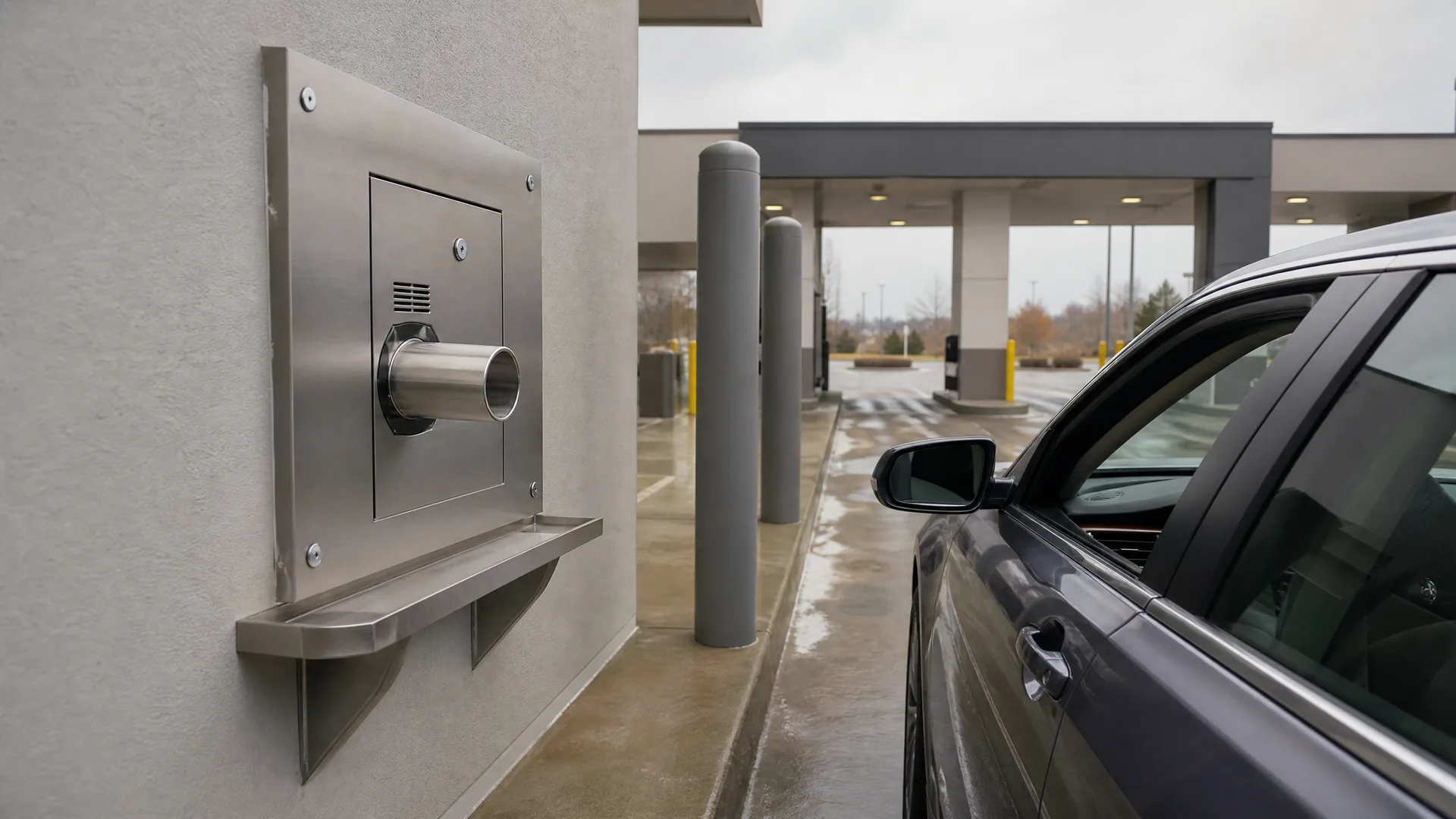
What about the car itself actually matters
Safety ratings matter more for a new driver than for an experienced one. Look at how the car performed in the crash tests insurers and safety groups publish, not just its reputation.
Repair cost matters too. Some cars are simple and cheap to fix after a minor accident. Others, including certain small or sporty models, cost far more to repair than their price suggests, and insurers price that in.
A car that's a common target for theft or that young drivers statistically crash more often will usually cost more to insure, independent of anything about your grandchild personally. Ask the insurer, or check with an independent source, how a specific make and model is rated before settling on it.
Horsepower and performance features tend to push the cost up. A plain, well-reviewed car in a mainstream segment is usually the one that keeps the policy simplest.
Questions people ask about this
Should I add my grandchild to my own car insurance policy?
It depends on how often they'd drive your car and whether they have their own policy through a parent. If they drive your car regularly, your insurer likely needs to know, since undisclosed regular drivers can affect a claim. Ask your insurer directly how they'd want this arrangement handled.
Does buying an older used car save money on insurance for a new driver?
Not always. An older car can cost less to insure for physical damage coverage, but liability coverage, which covers injury to others, is priced mainly on the driver, not the car's age. Check both parts of the quote, not just the price of the car.
Can my grandchild be insured under my policy if they live with their parents?
That depends on your insurer's rules about who counts as a household member or a regular driver. Some insurers allow a listed driver who lives elsewhere, others don't. Ask your insurer directly rather than assuming either way.
Is it better to buy the car in my name or my grandchild's name?
That depends on who you want responsible for the registration, the insurance, and any loan or liability tied to the car. Titling it in your name keeps you in control but ties the insurance to your policy. Ask an agent how each option would be rated before deciding.
Do four-door cars cost less to insure than two-door cars for a young driver?
Often, but not because of the number of doors itself. Four-door models are more often family or commuter cars with stronger safety ratings and lower repair costs, while two-door models are more often grouped with sportier, higher-performance cars. Check the specific model's rating rather than assuming by body style.
See how the car and the driver together change what a policy actually costs.
Before you buy anything, decide whose name will be on the title and whose policy the car will sit on, since that choice shapes everything else. Call that insurer, whether it's yours, your grandchild's, or a parent's, and ask how a specific make and model would be rated before you commit to it. Have the car's year, make, model, and trim ready, since even small differences in trim can change the rating. Ask separately about liability and physical damage coverage, since they're priced differently. If a few cars are on your list, ask for a comparison on all of them before you decide. Keep any safety rating information you find, since it's worth bringing up with the insurer directly.