Should I Buy My Grandchild a Car
It depends on whether you put the car in your name or theirs, since that decides whose insurance has to cover it.
It can work, but the paperwork matters more than the gift itself
You can buy your grandchild a car. The real question is whose name goes on the title and whose policy covers it, because that decision follows the car for as long as they drive it.
If the car is titled in your name, your insurer will likely expect it listed on your policy, with your grandchild as a driver on that car. If you title it in their name, they need their own policy, and a young driver's own policy usually costs more than being added to a parent's or grandparent's existing one. Which path makes sense depends on where your grandchild lives, whether they're already on a family policy, and what your own insurer allows.
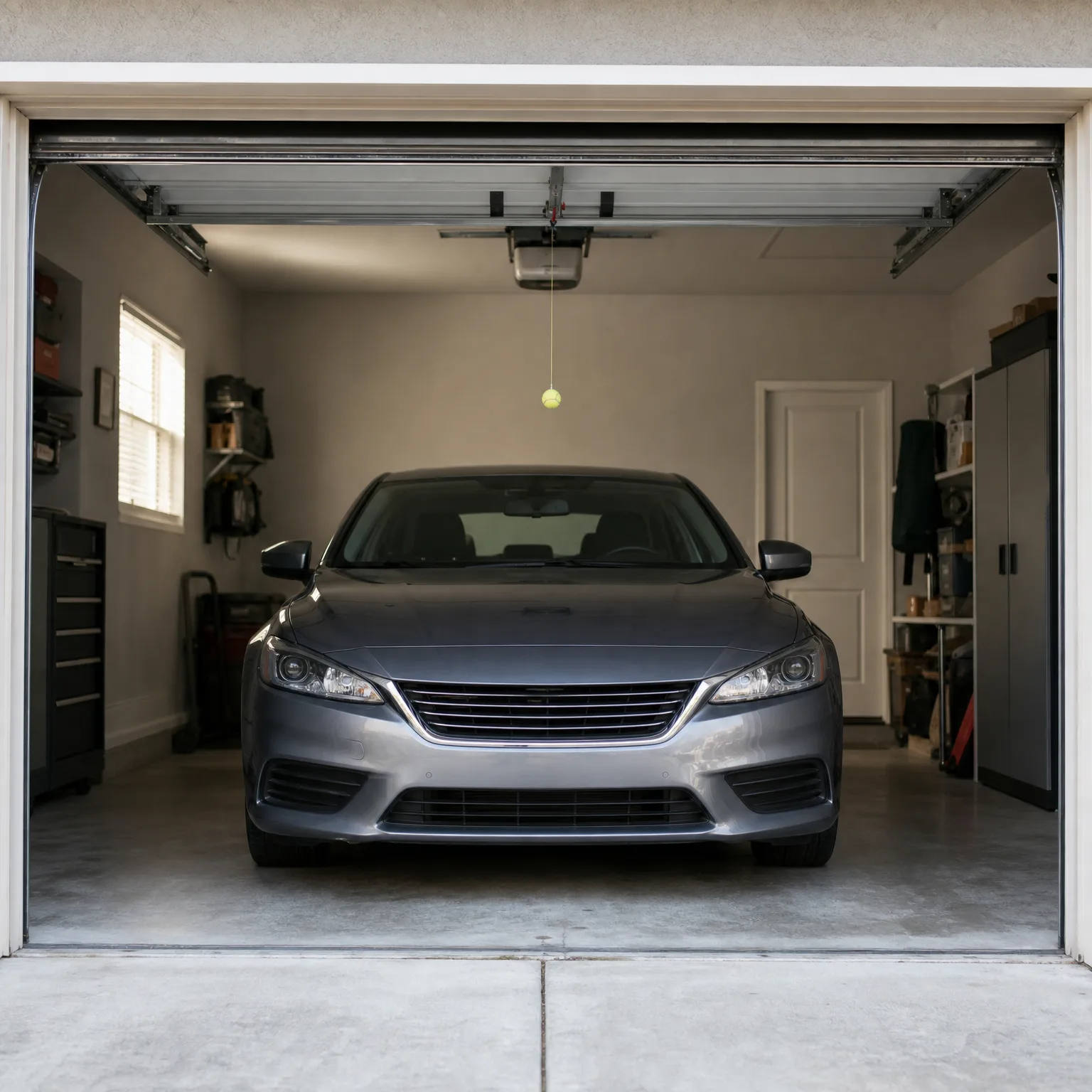
Whose address and household the car belongs to
Insurers write policies around a household, not just a name on a title. If your grandchild lives with you, adding the car to your policy and listing them as a driver is usually straightforward.
If they live elsewhere, with their parents or on their own, most insurers won't let you keep a car they drive daily on your policy for long. The insurer will ask where the car is garaged overnight, and that answer usually decides which policy it has to sit on.
If your grandchild is away at school or living with a parent, the practical move is often to title the car in their name, or the name of the parent's household, and let their own policy cover it. Ask your insurer directly how they handle a car garaged at a different address than the policyholder.
This is also worth checking before you buy anything, since some insurers are more flexible about this than others.
Who actually carries the risk if something goes wrong
Putting the title in your name means you're the legal owner, and in most states that makes you financially responsible if your grandchild causes serious damage or injury, even past what insurance pays out.
If you'd rather not carry that exposure, titling the car in your grandchild's name, or their parent's, shifts that risk to them. You can still pay for the car itself without owning it.
Some grandparents handle this by gifting money toward the purchase instead of buying and titling the car themselves. That keeps the insurance and ownership questions with the person who will actually be driving it every day.
If you do keep the car on your own policy, ask your insurer how a young driver on the car affects your rate, since that's the detail that changes most depending on your situation.
Questions people ask about this
Does adding my grandchild to my car insurance raise my rate?
It usually does, since insurers price a policy based on every driver listed on it, and a younger driver typically costs more to insure than an older one. How much it changes depends on your insurer, your grandchild's driving history, and the car itself. Ask your insurer for the exact difference before you add them, so there are no surprises at renewal.
Can I gift a car to my grandchild without them being on my insurance?
Yes, if the car is titled in their name or a parent's name, it doesn't need to be on your policy at all. The car needs its own insurance under whoever owns and drives it. Check your state's title transfer rules, since some require a bill of sale or notarized form to move ownership cleanly.
Should the car be in my grandchild's name or mine?
That depends on where they live, who will be the main driver, and how much financial risk you're willing to carry as the owner. If they live with you, your name on the title often keeps things simpler for insurance. If they live elsewhere, titling it in their name or a parent's name usually fits better. Talk to your insurer about both options before deciding.
What happens to the insurance if my grandchild moves out later?
If the car has been on your policy, you'll need to tell your insurer once your grandchild and the car move to a different address, since where a car is garaged affects the policy. At that point the car usually needs to move to a policy at the new address, either their own or a parent's. Ask your insurer how they want that update handled so there's no gap in coverage.
Is it better to buy a used car or a new one for a teenage grandchild?
That's a financial and safety decision more than an insurance one, though insurance cost is part of it. A newer car often costs more to insure for comprehensive and collision coverage, while an older car may cost less to insure but could lack newer safety features. Get a quote on the specific car you're considering before you buy, since cost can vary more by model than by age.
See what adding this car and driver would actually cost before you decide whose name goes where.
Before you buy anything, call your own insurer and describe the situation exactly as it is: who will own the car, who will drive it, and where it will be kept. Ask how they would handle it both ways, with the car on your policy and with it titled separately. If your grandchild already has insurance through a parent, ask that insurer the same question so you can compare. Have the car's make, model, and year ready, since that affects any quote you get. Once you know how each option is priced, you can decide whose name actually makes sense on the title.