Are Small Cars Safe for Teens
A small car isn't automatically a bad choice for a teen, but size alone doesn't make one safe.
Small cars can be safe, but safety ratings matter more than size
A small car isn't unsafe just because it's small. What matters is how that specific car performed in crash tests and what safety features it has. Some small cars score as well as larger vehicles. Others don't.
Size plays a role in a crash, especially against a much heavier vehicle. But a small car with a strong safety rating, good visibility, and features like automatic emergency braking can be a reasonable choice for a new driver. The model matters more than the category it falls into.

The crash test ratings for that exact model
Before anything else, look up how the specific car did in crash testing, not just how small cars in general tend to do. Ratings vary a lot between models, even ones that are similar in size.
Check both front and side impact results. Side impact matters more for smaller cars, since there's less structure between the occupant and whatever hits them.
Also look at whether the car has forward collision warning and automatic emergency braking. For a new driver, these features can make up for some of the reaction time they haven't built yet.
If two small cars are close in price, the one with better ratings and more of these features is the safer pick, even if it's not the newer or more popular model.
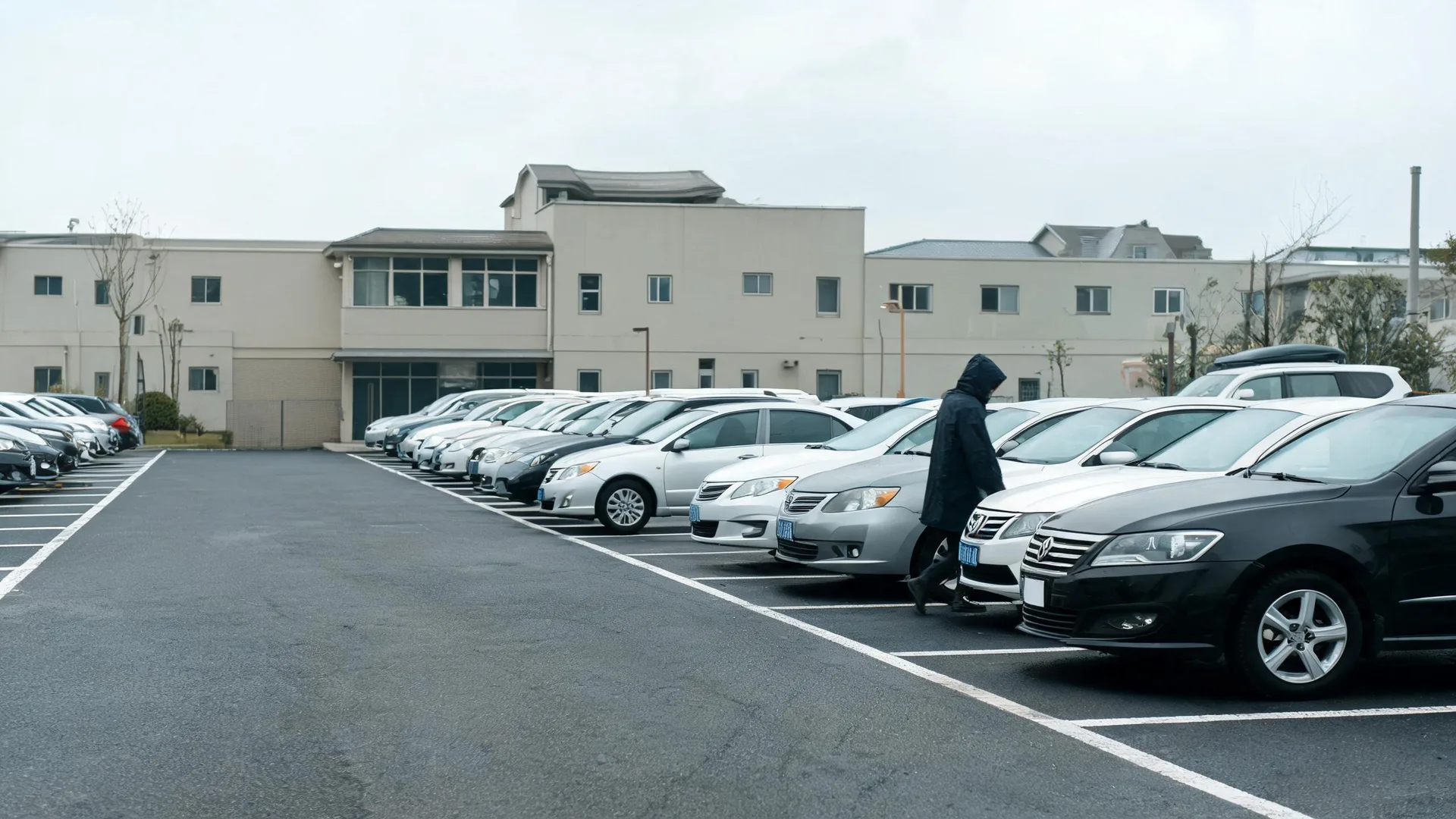
What most people get wrong: assuming bigger always means safer
A larger vehicle isn't automatically safer. Trucks and SUVs have a higher center of gravity, which raises the risk of rollover, and that risk shows up disproportionately in younger drivers who are still learning how a vehicle handles.
Some midsize sedans and smaller SUVs balance a lower rollover risk with decent crash protection, which can end up being a safer overall choice than either a very small car or a very large one.
The better question isn't small versus big. It's which specific vehicles, across any size category, have strong ratings and the features that help a new driver avoid a crash in the first place, not just survive one.
Questions people ask about this
Does the car a teen drives affect insurance cost?
Yes, the specific make and model is one of the things an insurer looks at. Cars with better safety ratings and lower repair costs tend to cost less to insure. Ask your insurer how a particular model would affect your policy before buying it.
What safety features should a teen's first car have?
Automatic emergency braking and forward collision warning are worth prioritizing, since they can help offset limited experience. Backup cameras and blind spot warning are also useful. Check which features come standard versus which are optional on a given trim.
Are used cars safe enough for a new driver?
It depends on the specific vehicle and its condition, not just its age. An older model with a strong crash rating and functioning safety features can be a fine choice. Have any used car inspected and check its crash test history before deciding.
Do SUVs have a higher rollover risk for new drivers?
Taller vehicles with a higher center of gravity do carry more rollover risk than sedans, and that risk is higher for less experienced drivers. Check a specific SUV's rollover rating rather than assuming all SUVs carry the same risk.
Should a teen drive an older car or a newer one?
Newer cars usually have more standard safety features, which can matter more than a few extra years of age on the vehicle. Compare the specific safety features and crash ratings of each option rather than deciding by age alone.
See how the specific car you're considering affects what you'd pay to insure it.
Look up crash test ratings for the exact models you're considering, not just the category of car. Compare a couple of options with strong ratings and useful safety features, like automatic emergency braking, against your budget. Call your insurer or agent and ask how each model would affect the policy before you buy. If you're choosing between a used and new option, get any used car inspected first. Bring the car's safety record with you when you're ready to compare quotes, since it can change what you pay.