What Kind of Car Is Safest for a Teen Driver
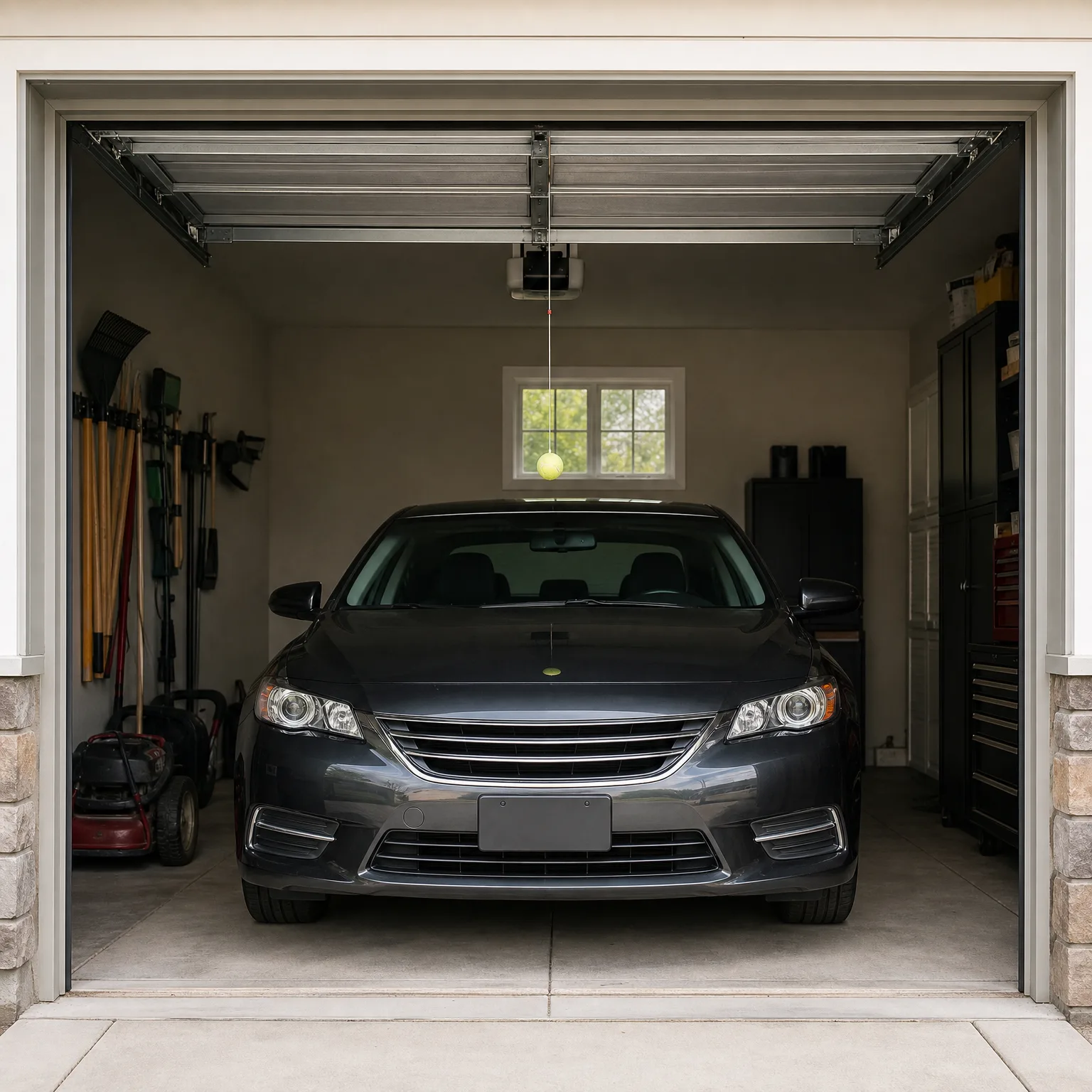
A midsize car with high safety ratings, moderate power, and a low repair cost does more for a teen driver than any single safety feature.
Midsize sedans and SUVs with top safety ratings, not small cars or powerful ones
The safest car for a teen driver is a midsize sedan or SUV that scores well in crash tests and doesn't have a powerful engine. Weight and size matter in a crash, so very small or very light cars give up some protection even when they're well built. A sports car or anything with a strong engine gives a new driver more speed than they need to learn with.
This holds for almost any teen driver because the risk at that age comes from inexperience, not from any one car. A car that's forgiving, predictable, and not tempting to push hard does more good than a long list of features. What changes the specific choice is the teen's own driving history and what the parent's insurer thinks of the car once it's picked.
The car's safety rating and crash test history
Start with how the car performed in independent crash tests, not how new it is or what it's trimmed with. Organizations that run these tests publish their ratings by make, model, and year, and a used car from several years back can score as well as something brand new. Check the rating for the exact model year, since manufacturers change a car's structure between generations.
Weight matters alongside the rating. In a collision between two vehicles, the heavier one generally protects its occupants better, so a small, light car can score well in testing and still come out worse in a real crash with a larger vehicle. A midsize sedan or SUV sits in a better spot for this than a compact or subcompact.
Also look at what the car comes with as standard rather than optional. A teen driver's car is often a hand-me-down or a lower trim, so confirm that safety equipment like automatic emergency braking or blind spot warning was standard on that trim, not something only the higher trims had.
If you're choosing between a few cars that all score well, the tiebreaker is usually the engine. Less horsepower means less temptation and less speed available when something goes wrong.
How the car affects the insurance, not just the safety
The car a teen drives changes what it costs to insure them, and that's worth checking before you buy, not after. Insurers price a vehicle based on its own claims history: how often it's stolen, how expensive it is to repair, and how often drivers of that model get into accidents. A car can be very safe and still be expensive to insure if it's costly to fix.
Sports cars and anything marketed as fast or sporty tend to cost more to insure for a teen regardless of their record, because the insurer is pricing the car's history along with the driver's age. A plain, common midsize car usually costs less to insure for the same reason in reverse.
Ask your insurer or agent directly which models they rate favorably before you commit to buying one. Two cars that look similar on paper can price very differently once the insurer runs them, and that's not something you can guess from the safety rating alone.
If the teen will be added to an existing family policy, ask how the car affects that policy as a whole, not just the premium for the teen's own coverage.
Questions people ask about this
Is a used car safer than a new car for a teen driver?
It depends on the specific model and year, not on whether the car is new or used. A used car with a strong crash test rating and standard safety equipment can be a better choice than a new car with a weak rating. Check the rating for that exact model year rather than assuming newer is safer.
Do four-wheel-drive or all-wheel-drive cars matter for teen drivers?
All-wheel drive can help with traction in snow or rain, but it doesn't prevent accidents caused by inexperience and it doesn't replace a strong crash test rating. Some teens gain false confidence from it and drive faster than conditions allow. Treat it as one factor among several, not the deciding one.
Should I avoid buying a car with too many advanced safety features for a new driver?
No, but it's worth teaching the teen what each feature does before they rely on it. Features like blind spot warning or automatic emergency braking are meant to back up attentive driving, not replace it. Ask the dealer or check the manual for how each feature works on that specific car.
Does the color of the car affect how safe it is?
There's no solid evidence that color affects crash risk in any meaningful way, despite the common claims about white or bright cars being safer. Visibility depends far more on headlights, daytime running lights, and road conditions. Choose color based on preference and resale value, not safety.
How many miles or how old can a car be and still be a good choice for a teen driver?
This depends more on the car's condition and safety rating than its age or mileage. A well-maintained car with a strong crash test record can be a sound choice even with significant mileage, as long as its safety systems and tires are in good shape. Have a mechanic check it over before buying, regardless of the odometer reading.
Once you've picked a car, see what it actually costs to insure before you commit to it.
Before you buy anything, look up the crash test rating for the exact model year you're considering, since ratings change between generations of the same car. Make a short list of two or three cars that score well and have a sensible engine, then call your insurer or agent and ask how each one prices for your teen specifically. Bring the vehicle identification number if you have it, since that gives the insurer the clearest answer. Ask whether any safety features on the car qualify for a discount, and what paperwork, if any, you'd need to send in. Do this before you sign anything, since the insurance cost can be the deciding factor between two otherwise similar cars.