What Car Is Safest to Give a Teen Grandchild
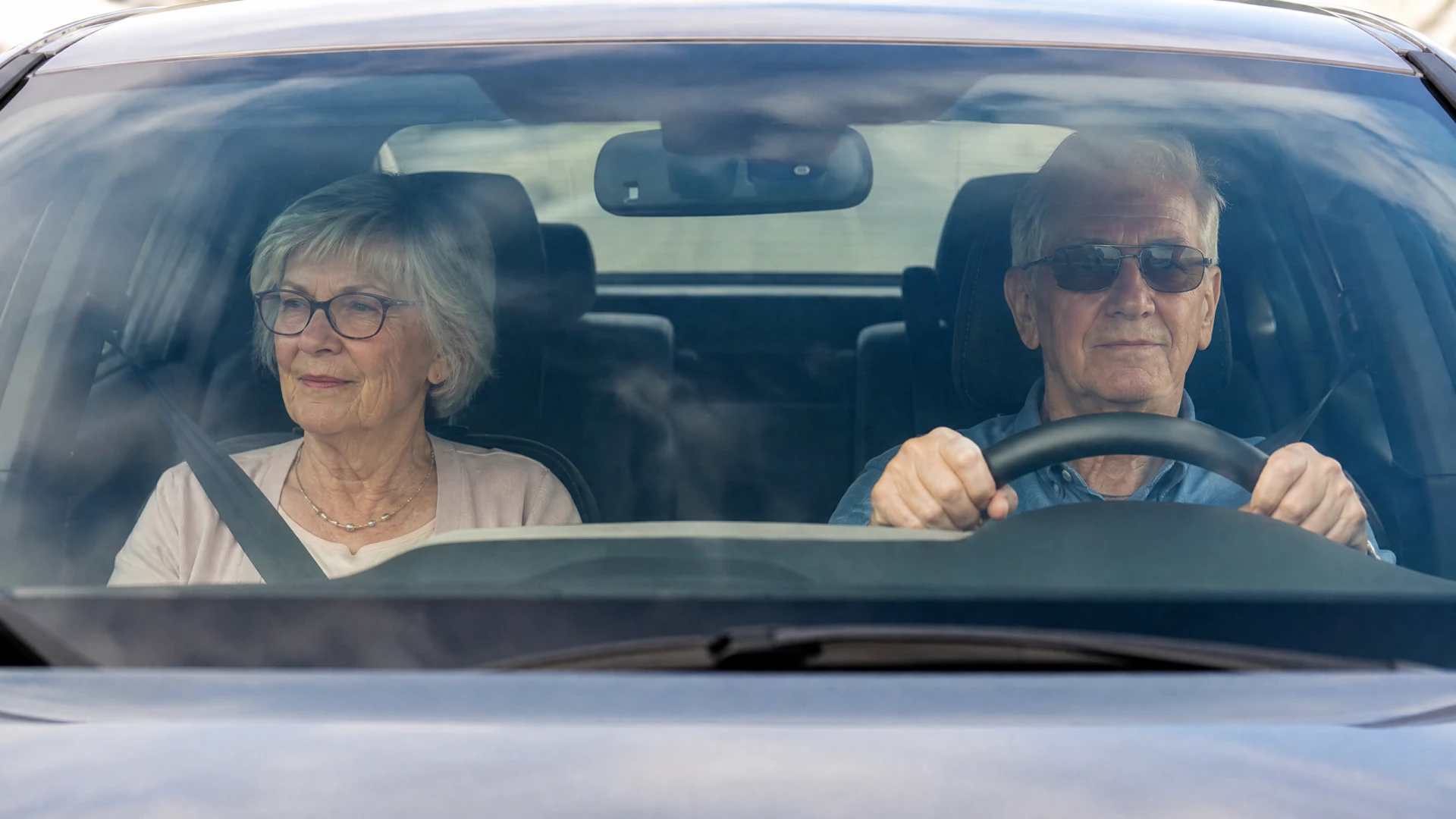
The safest car for a teen grandchild is a midsize sedan or SUV with a good safety record and modern crash-avoidance features, not a sports car or a hand-me-down without airbags and stability control.
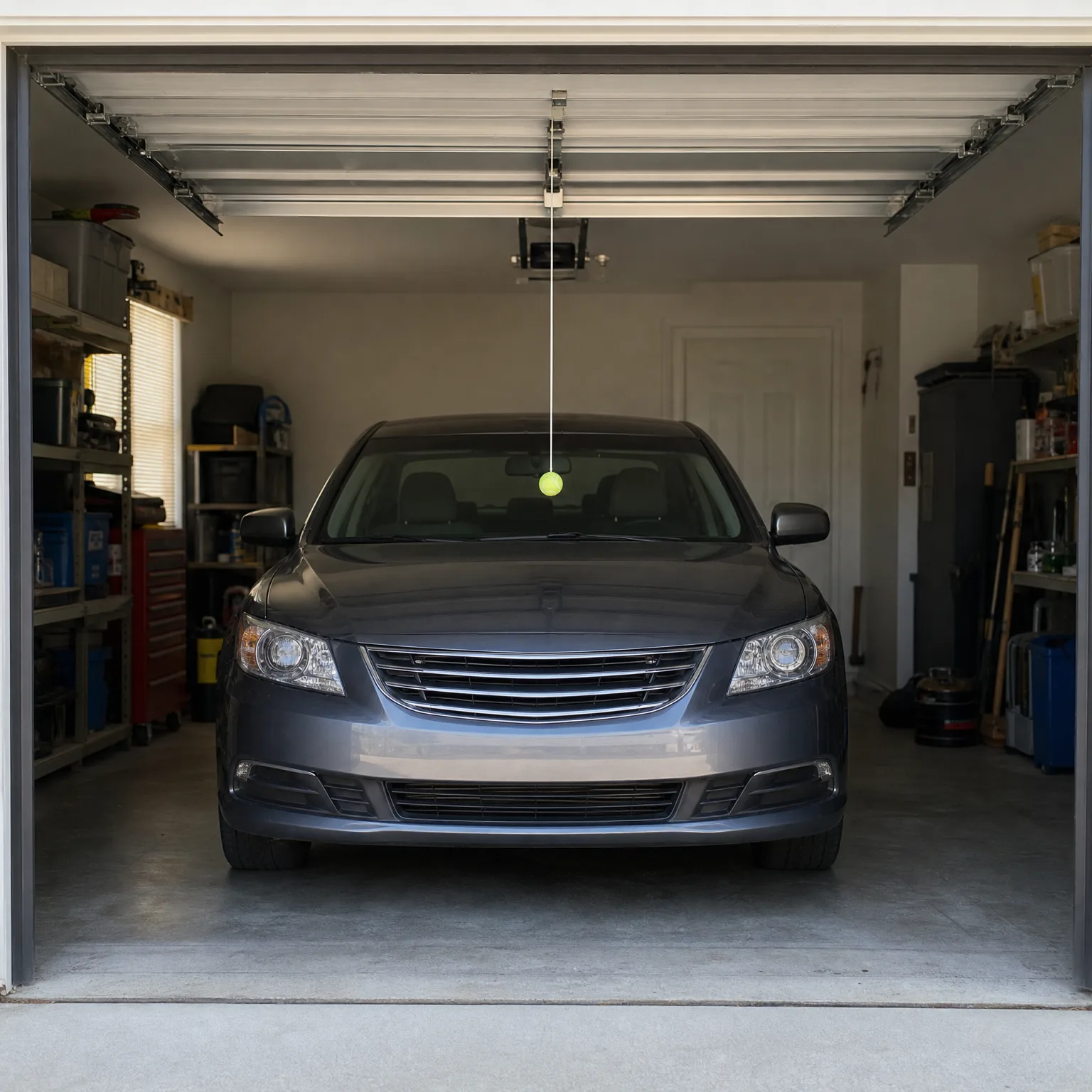
Choose a midsize car with strong safety ratings and newer safety technology
A teen driver is safest in a vehicle that is stable, predictable, and equipped with features like automatic emergency braking and electronic stability control. Small cars and sports cars tend to perform worse in crashes and tempt higher speeds. Large trucks and SUVs can roll over more easily and are harder for a new driver to handle.
Look for a car with a strong crash test record from an organization like IIHS or NHTSA. The exact rating system and categories vary, so check the current reports rather than relying on a car's reputation from years ago. The car doesn't need to be new. Many older models still score well and cost less to insure.
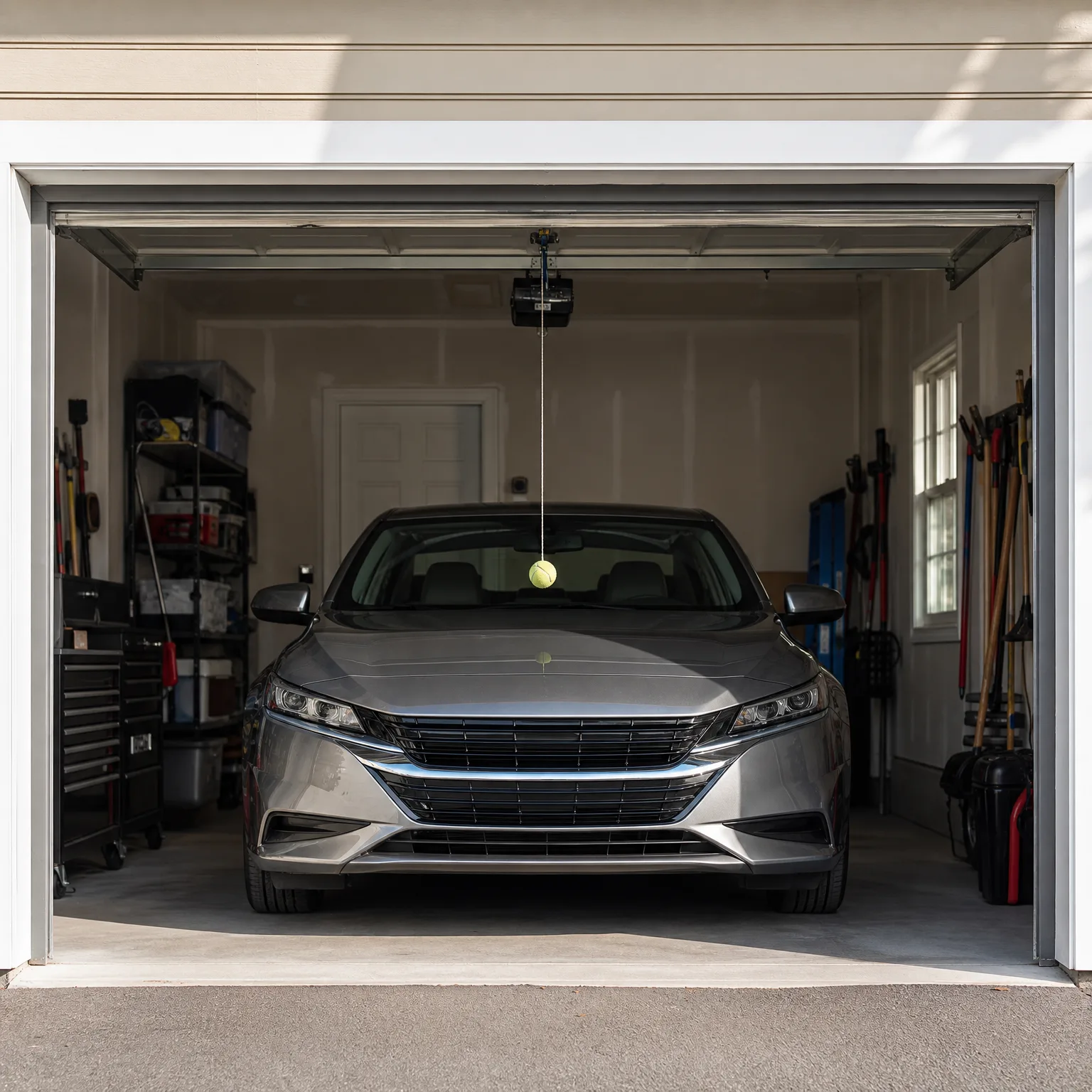
Who owns the car and who is listed as the driver matters as much as the car itself
If the car will be registered and insured through the grandparent, the grandparent's policy is the one that covers it, and the teen will likely need to be added as a listed driver. If the car will belong to the teen's parents, it needs to go on their policy instead. Insurers want to know who actually drives the car regularly, not just who paid for it.
This matters because misstating who the main driver is can cause a claim to be denied later. If grandparent and grandchild live in different households, say so plainly when getting quotes, since the insurer will ask.
Ask the insurer directly how they want the car and driver listed before buying anything. Rules on this differ by company and by state, so there's no single right answer apart from what the policy you choose requires.
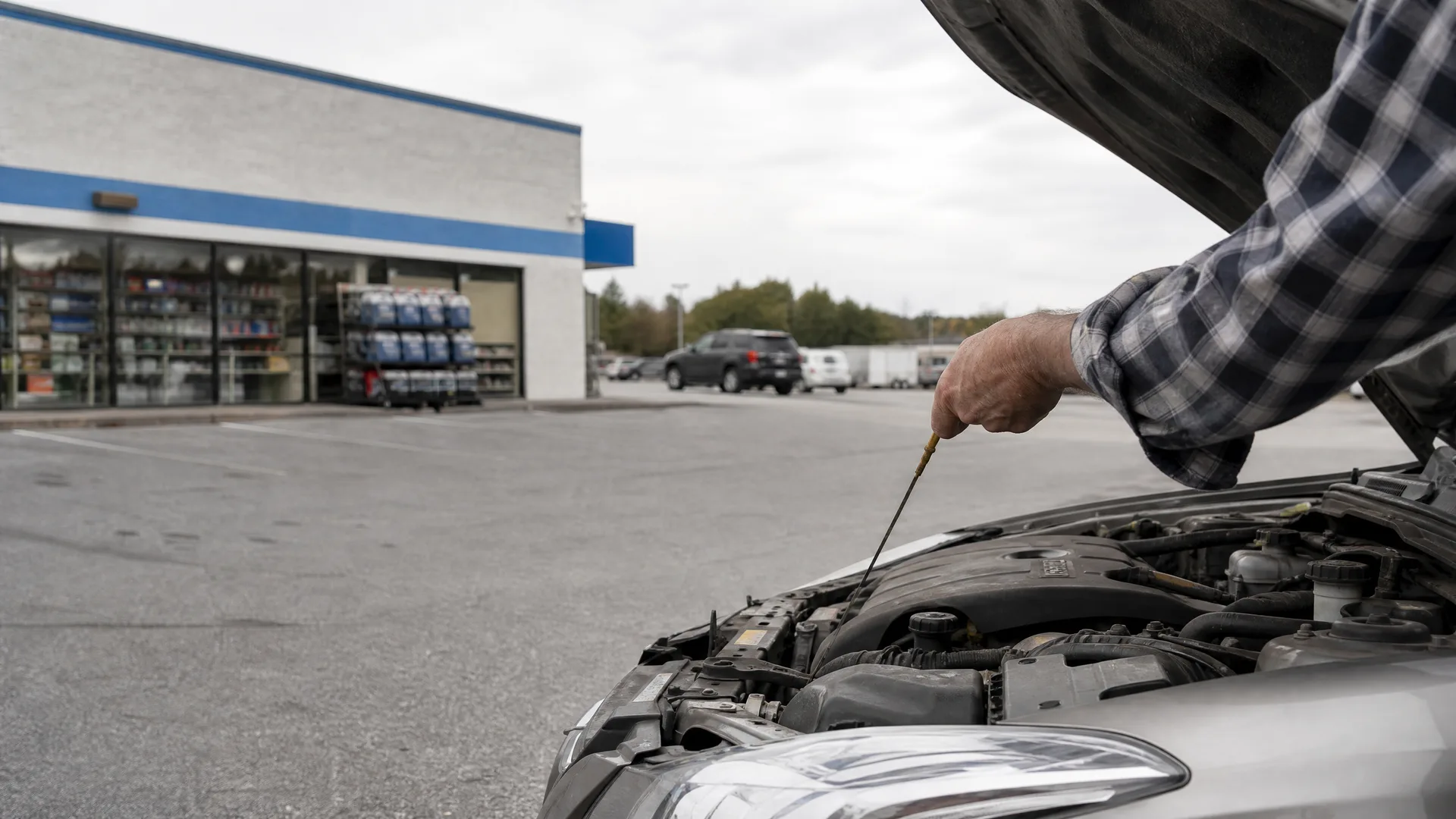
The car's safety record affects the premium as much as the teen's age does
Insurers price a policy partly on the driver and partly on the vehicle. A car with a strong safety record and lower repair costs usually costs less to insure than a car of similar size with a weaker record or expensive parts. This is true for teen drivers and adult drivers alike, but it matters more for a teen because their base rate is already higher.
Sports cars, convertibles, and high-performance trim levels typically cost more to insure for a teen driver, sometimes by a wide margin, regardless of how safe they otherwise are. A plain, well-reviewed sedan or small SUV is usually the better choice on both counts, safety and cost.
Before settling on a specific make and model, get a quote with that exact car and that exact driver listed. The difference between two similar-looking cars can be larger than expected.
Questions people ask about this
Should I add my teen grandchild to my own car insurance policy?
That depends on who owns the car and where the teen lives. If the car stays registered to you and the teen drives it regularly, most insurers want the teen listed on your policy. If the teen lives with their parents, their parents' policy is usually the right one. Ask your insurer which applies to your situation.
Is it cheaper to buy a used car for a teen driver?
Often, yes, since older cars typically cost less to insure and replace. But a used car with poor crash test ratings or missing safety features can cost more to insure than a newer car with a strong safety record. Check the specific model's safety rating rather than assuming age alone makes it cheaper.
Do four-door cars cost less to insure for teens than two-door cars?
Generally insurers associate two-door and sportier cars with higher claims for young drivers, so a four-door sedan or SUV often costs less. This isn't universal across every model, so compare actual quotes for the specific cars you're considering.
Does adding a teen driver raise a grandparent's insurance rate more than adding them to a parent's policy?
It depends on the household, the specific insurer, and the driving records already on each policy. There's no rule that one is always cheaper than the other. Get quotes both ways, with the teen listed on the grandparent's policy and on the parent's policy, and compare them directly.
What safety features should a teen's first car have?
Electronic stability control and anti-lock brakes are now standard on most cars and matter a lot for new drivers. Automatic emergency braking, blind spot warning, and backup cameras add further protection and are worth looking for, especially on older used cars where they may not be included.
See what the car you're considering would actually cost to insure with your grandchild listed as the driver.
Decide first whether the car will be registered to you or to the teen's parents, since that determines whose policy it belongs on. Write down the exact make, model, and year you're considering, along with its current safety ratings. Call your insurer or your grandchild's parents' insurer and ask for a quote with the teen listed as a driver on that specific car. Ask directly how they want the ownership and primary driver recorded, since getting this wrong can affect a future claim. Compare that quote against a similar car with a stronger safety record before you commit to a purchase.