Where to Practice Driving With a Teen
Start in empty parking lots and quiet streets, then move toward traffic and highways as skills build, since the range of conditions a teen practices in matters as much as the hours logged.
Start low-stakes, then add difficulty
Begin in a large, empty parking lot, a school lot on a weekend, a church lot, anywhere there's space and no traffic. This is where a teen learns the pedals, the mirrors, turning radius, and how the car responds before anyone else is around to react to their mistakes.
From there, move to quiet residential streets, then roads with light traffic, then busier roads, and eventually highways. The order matters more than the location itself. A teen who only practices on the same easy route near home hasn't practiced for the driving they'll actually face once licensed.

What the teen still needs to see
A parking lot teaches car control. It doesn't teach merging, four-way stops, left turns across traffic, or what to do when a light turns yellow as you approach it. Those situations only come up on real roads, so the lot is a starting point, not the destination.
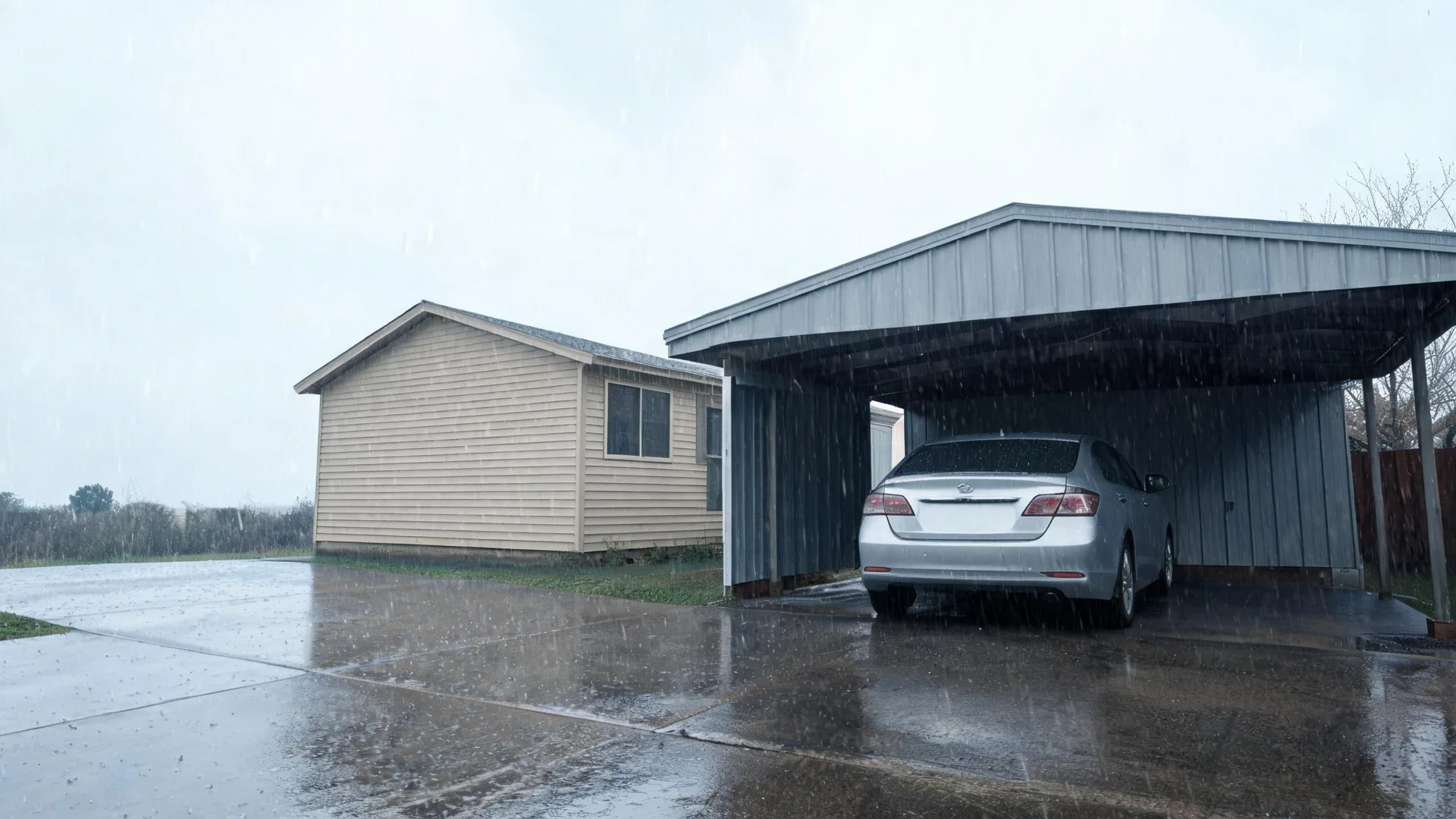
Night driving and bad weather deserve their own practice sessions, ideally with the parent in the car the first several times. A teen who gets their license having only driven in daylight and clear weather is unprepared for the first rainy night drive they take alone.
Parking itself, parallel parking, backing out of a space, backing out of a driveway with cars parked on both sides, is worth practicing deliberately rather than hoping it comes up naturally. Many teens get far more highway hours than parking hours simply because parking feels less exciting to practice.
If the state requires a logged number of supervised hours before the road test or before getting a license, check what that state requires in terms of night hours or specific conditions. Some states break the requirement down by category rather than just total hours.
How the practice affects the insurance bill later
Insurers don't see where a teen practiced driving. They see the record once the teen is licensed, meaning any tickets or at-fault accidents. So the real payoff of varied practice isn't a lower quote directly, it's a cleaner record because the teen is actually prepared for the roads and conditions they'll drive on alone.
A teen who's only ever driven familiar streets near home is more likely to make a costly mistake the first time they're on an unfamiliar highway or driving at night by themselves. That mistake, if it results in a ticket or a claim, is what raises the premium, often for years.
Ask the insurer what driver training or safe-driving courses it recognizes, since some give a break for a completed course even though none of that shows up from practice hours themselves. The practice and the discount are two separate things, and a teen can do the first without affecting the second.
Questions people ask about this
How many practice hours does a teen driver need before the road test?
This is set by the state, and it varies quite a bit. Check the state's graduated licensing rules or the DMV site for the exact number of supervised hours required, and whether any of those hours must be at night or in specific conditions.
Should a teen practice driving on the highway before getting a license?
Yes, if the teen has a learner's permit that allows it and a licensed adult is in the car. Highway driving involves merging, higher speeds, and lane changes that a teen won't encounter on residential streets, so waiting until after licensing to try it for the first time leaves a real gap.
Is it legal to practice driving in an empty parking lot without a permit?
This depends on the state and sometimes on the property. Some states allow practice on private property without a permit, others require a permit regardless of location. Check the state's specific rule before assuming a parking lot is exempt.
Does a teen's driving school course lower the insurance premium?
Some insurers offer a discount for a completed driver's education or defensive driving course, but this isn't universal. Ask the insurer directly what course or certificate they recognize, and what documentation they need to apply the discount.
What should a parent do if a teen seems nervous about highway driving?
Build up to it gradually rather than skipping straight there. Start on a short, low-traffic stretch of highway during a quiet time of day, and let the teen get comfortable with merging speed before adding distance or busier conditions.
Once your teen is licensed, see how their practice and driving record stack up against other quotes.
Pull up the state's learner's permit requirements this week and check exactly how many supervised hours are required, including any night or weather conditions. Build a rough schedule with your teen that moves from the empty lot to quiet streets to busier roads, then highways, rather than looping the same easy route. Set aside specific sessions for parking, night driving, and bad weather rather than waiting for those situations to come up on their own. Ask your insurer now what driver training courses or certificates they give a discount for, so your teen can complete one before the policy is set up. Keep a simple log of what was practiced and when, since some states require it and it's useful even if yours doesn't.