How to Start Teaching a Teenager to Drive
Start in an empty parking lot with the basics, then add traffic, speed, and weather one at a time as your teen shows they're ready.
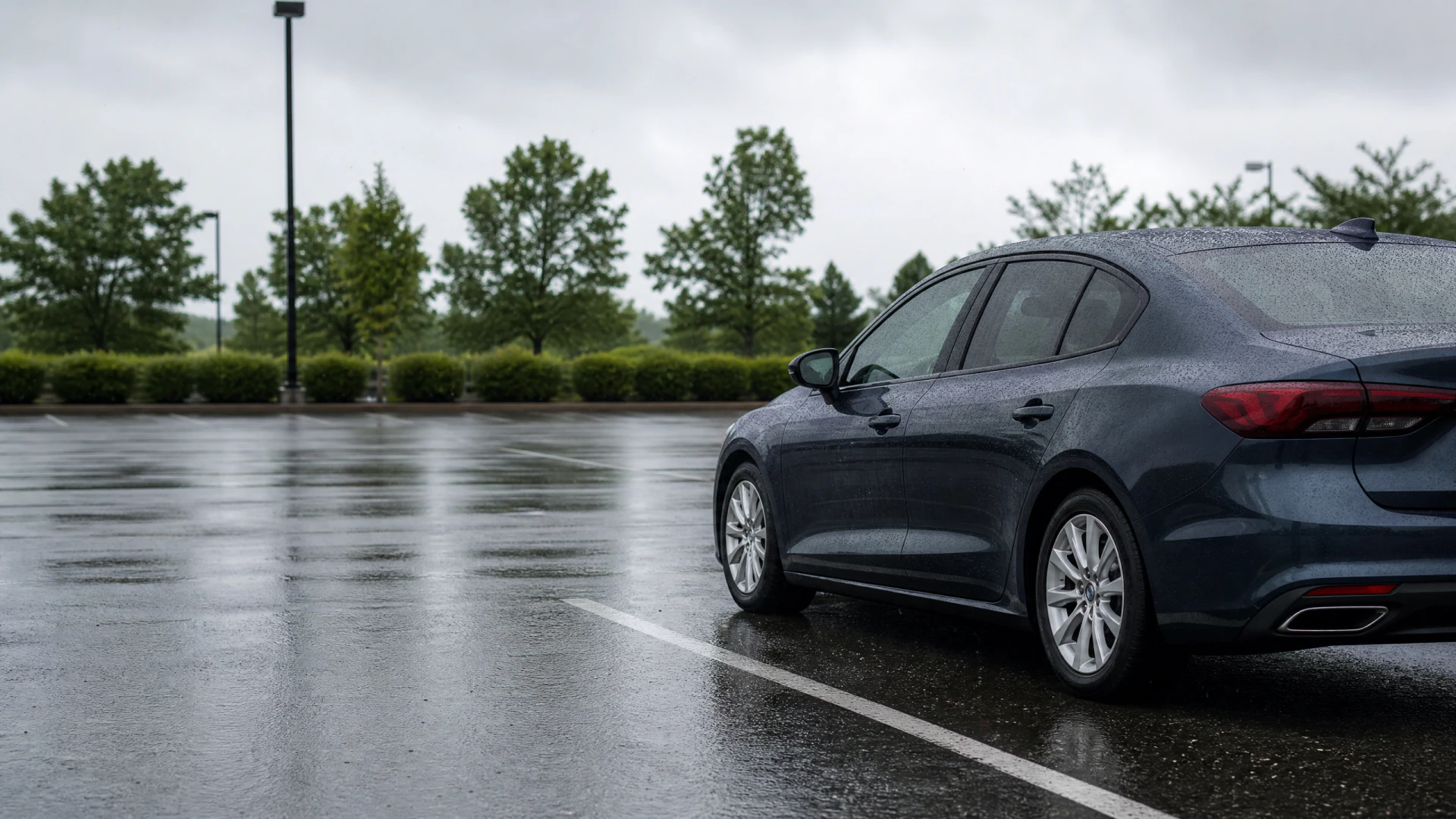
Begin with the car stopped, then with no other cars around
The first lessons aren't about driving in traffic. They're about getting comfortable with the car itself. Have your teen practice adjusting mirrors, finding the controls without looking, and starting and stopping smoothly, all in a space with no other traffic, like an empty parking lot or a quiet stretch of road.
Once they can control the car without thinking hard about it, move to quiet residential streets, then roads with a little more traffic, then eventually highways. Each step should feel easy before you add the next one. A teen who's still nervous about braking smoothly isn't ready for a merge lane.

Your state sets the rules for how this has to go
Most states have a learner's permit system that spells out how many supervised hours your teen needs, who can supervise them, and what restrictions apply, like no nighttime driving or no passengers under a certain age. These rules vary by state, so check with your state's DMV or motor vehicle agency for the specific requirements before you start logging hours.
Some states also require a certain number of hours to be done with a certified instructor rather than a parent. Others ask you to keep a written log of supervised driving time that gets turned in before the road test. Find out what your state actually requires before you assume parent-supervised hours alone will satisfy it.
If you're helping a grandchild or someone else's teen learn, check whether your state requires the supervising adult to meet certain conditions, like having held a license for a minimum number of years or having a clean record.
What most parents get wrong early on
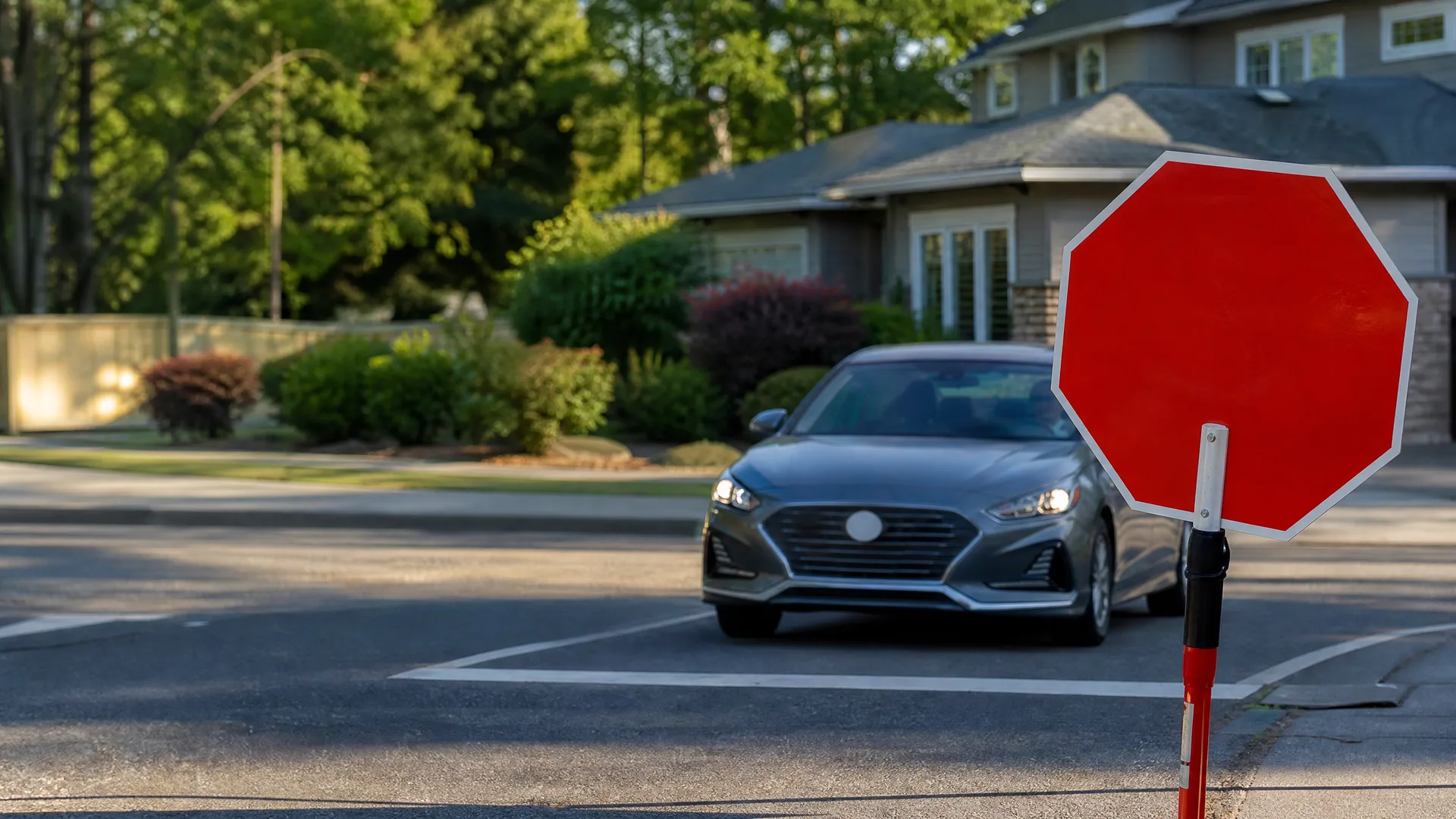
A lot of parents start lessons by taking the teen straight onto a busy road because that's where they themselves drive every day. That skips the part where the teen builds basic car control, and it tends to make early lessons stressful for both of you instead of useful.
Another common mistake is correcting too much while they're driving. Constant comments about speed, following distance, and hand position all at once overload a new driver. Pick one or two things to work on per session and let the rest go for now.
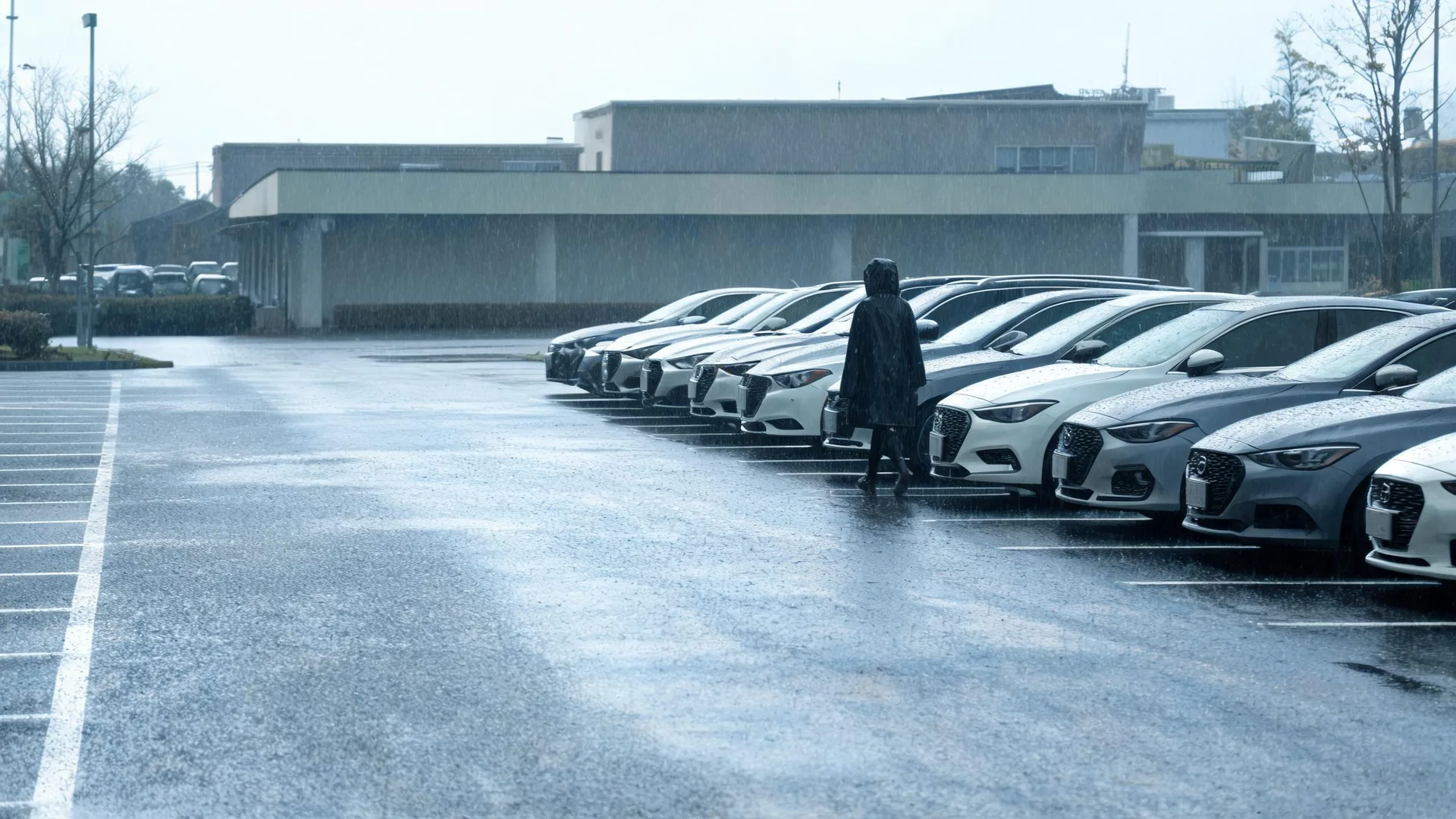
It also helps to practice in different conditions on purpose, not just whenever you happen to be driving somewhere. Rain, dusk, and parking lots with real pedestrian traffic all teach something that daytime side streets don't. Don't wait for these conditions to show up on their own before your teen has encountered them with you in the car.
Questions people ask about this
When should I add my teen to my car insurance policy?
Check with your insurer as soon as your teen gets a learner's permit, since many insurers want to know a new driver is in the household even before they're licensed. Some insurers require this, and not telling them can affect a claim later if your teen is driving when something happens. Ask your agent directly what your policy requires and when.
How many supervised driving hours does a teen actually need?
This is set by your state, not by a general standard, so the number varies depending on where you live. Check your state's DMV website or ask directly, since some states also specify how many of those hours need to be done at night or in bad weather.
Should I use a driving instructor or teach my teen myself?
Either can work, and many families do some of both. An instructor brings a car with dual controls and a neutral perspective, which can help with the lessons that get tense between parent and teen, like highway merging. Parent-led practice gives more repetition and happens on your schedule, so consider using an instructor for a few key sessions and handling the rest yourself.
What should my teen practice before taking the road test?
Focus on the specific skills your state's road test actually checks, like parallel parking, three point turns, and observing right of way at intersections. Ask your DMV or check their website for the exact test route or skills checklist if one is published. Practicing the general skill isn't the same as practicing the specific maneuver the examiner will ask for.
Does my teen need to take a driver's education course?
Some states require a driver's education course before a teen can get a permit or license, while others make it optional. Check your state's requirement directly, since even where it's optional, completing a course can sometimes shorten the supervised hours requirement or affect insurance. Ask your insurer separately whether a completed course affects your premium.
See how adding a new driver to your policy changes what you pay before you need to decide.
Check your state's DMV website this week for the exact permit requirements, including supervised hours and any restrictions on nighttime or passenger driving. Call your insurance agent and ask what they need from you once your teen has a permit, not just once they're licensed. Start lessons in an empty lot or quiet street regardless of what the state requires, since comfort with the car matters before you add traffic. Keep a simple written log of practice hours and conditions, even if your state doesn't require one, since it will help you see what your teen still needs practice in.