What to Learn First When Learning to Drive
Start with car control in an empty lot before anything else, because the skills that keep you safe are also what insurers look for later.
Learn car control before you learn traffic
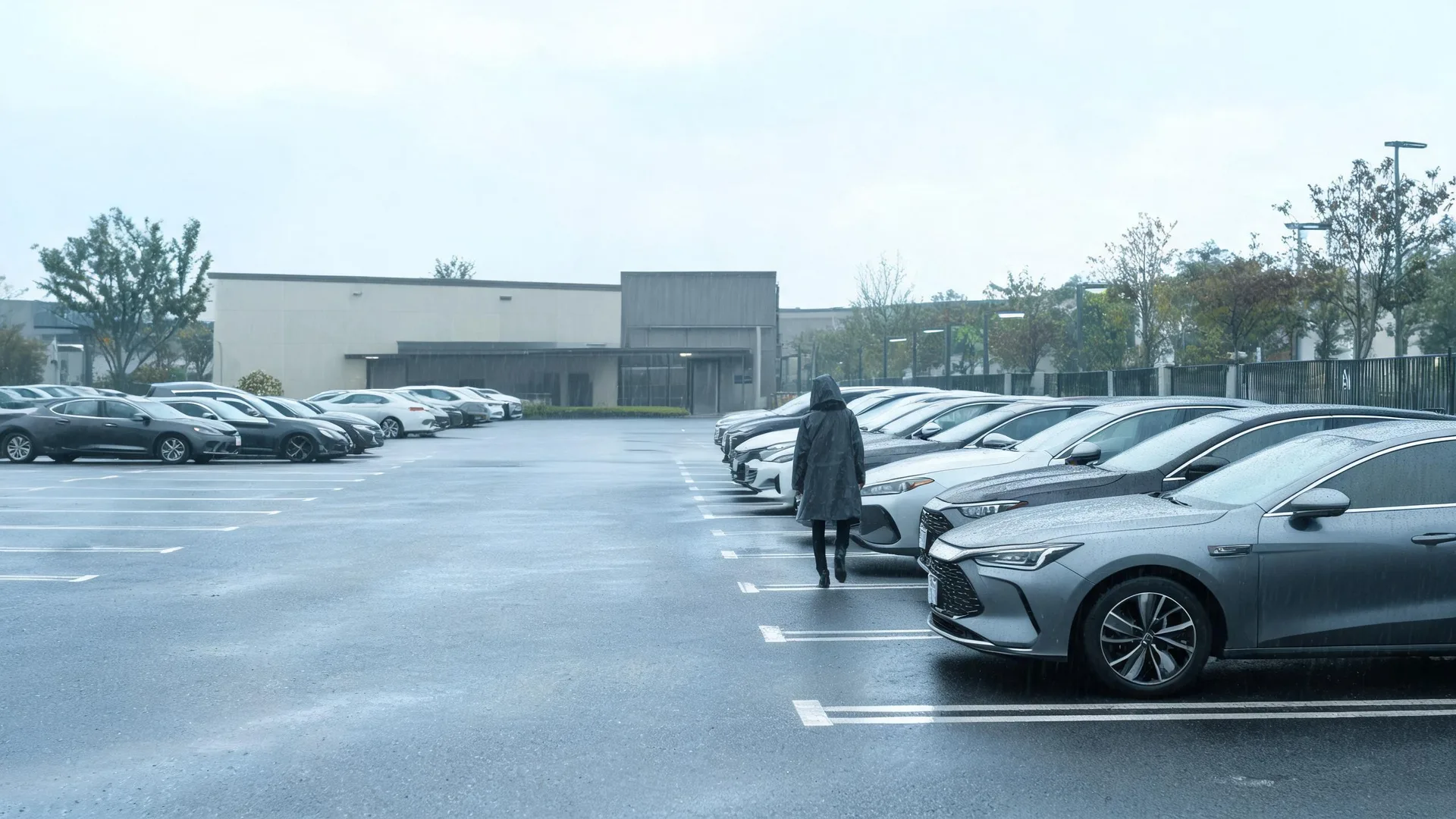
The first things to learn are the ones that have nothing to do with other cars: where your car's corners are, how it brakes, how it turns at low speed, how to back up straight. This is best done in an empty parking lot, not on the street.
Once that's automatic, move to low traffic streets and practice judgment: when to go, when to wait, how much space to leave. Traffic skills build on car control. If the car itself still takes concentration, there's nothing left over to watch the road.

Your state's permit rules set the order for you
Most states require a learner's permit period with a minimum number of supervised hours before a road test, and many break those hours into categories like night driving or highway driving. Check your state's requirements before you plan a practice schedule, because the order you're required to log hours in often matches the order that actually works.
Some states also require a set number of hours with a parent or guardian specifically, separate from hours with a driving instructor. If a parent is doing the teaching, find out whether their hours count the same as a licensed instructor's.
A few states require a certain number of nighttime hours or highway hours before the test. Those should come later in the practice sequence, after basic control and low speed judgment are solid, not at the start.
Whoever is teaching should know what the test actually checks, since some states test parallel parking and three point turns and others don't.
What new drivers usually skip
Backing up is the skill most new drivers get the least practice with, because most practice time goes toward driving forward. Reversing out of a parking space, backing into one, and checking blind spots while reversing are worth deliberate practice, not something to pick up by accident.
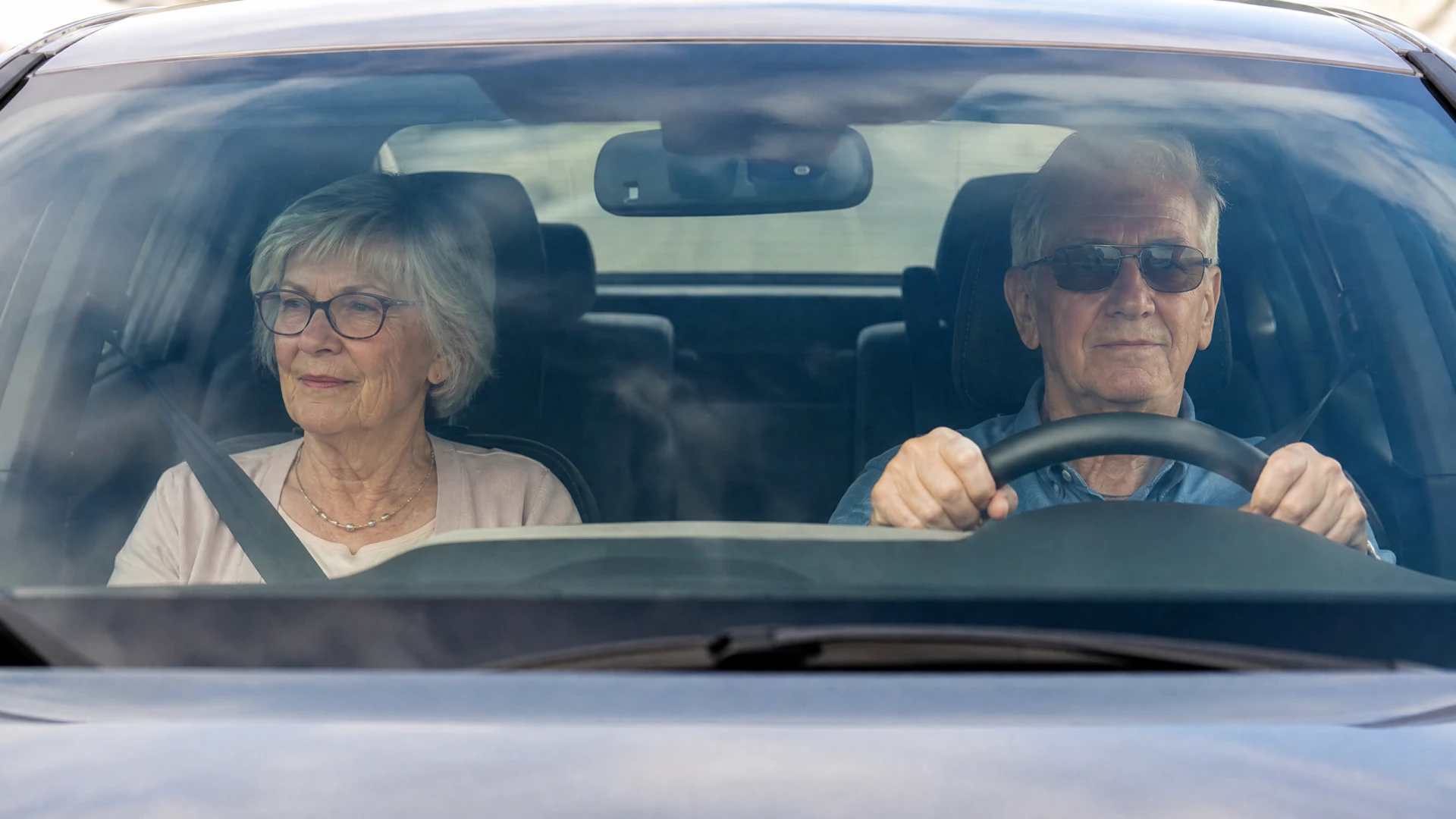
Merging and highway speed are often left until right before the test, which means the new driver's first real exposure to high speed traffic comes under pressure. It works better to introduce highway driving early, with an experienced driver along, even if it's just a short stretch.
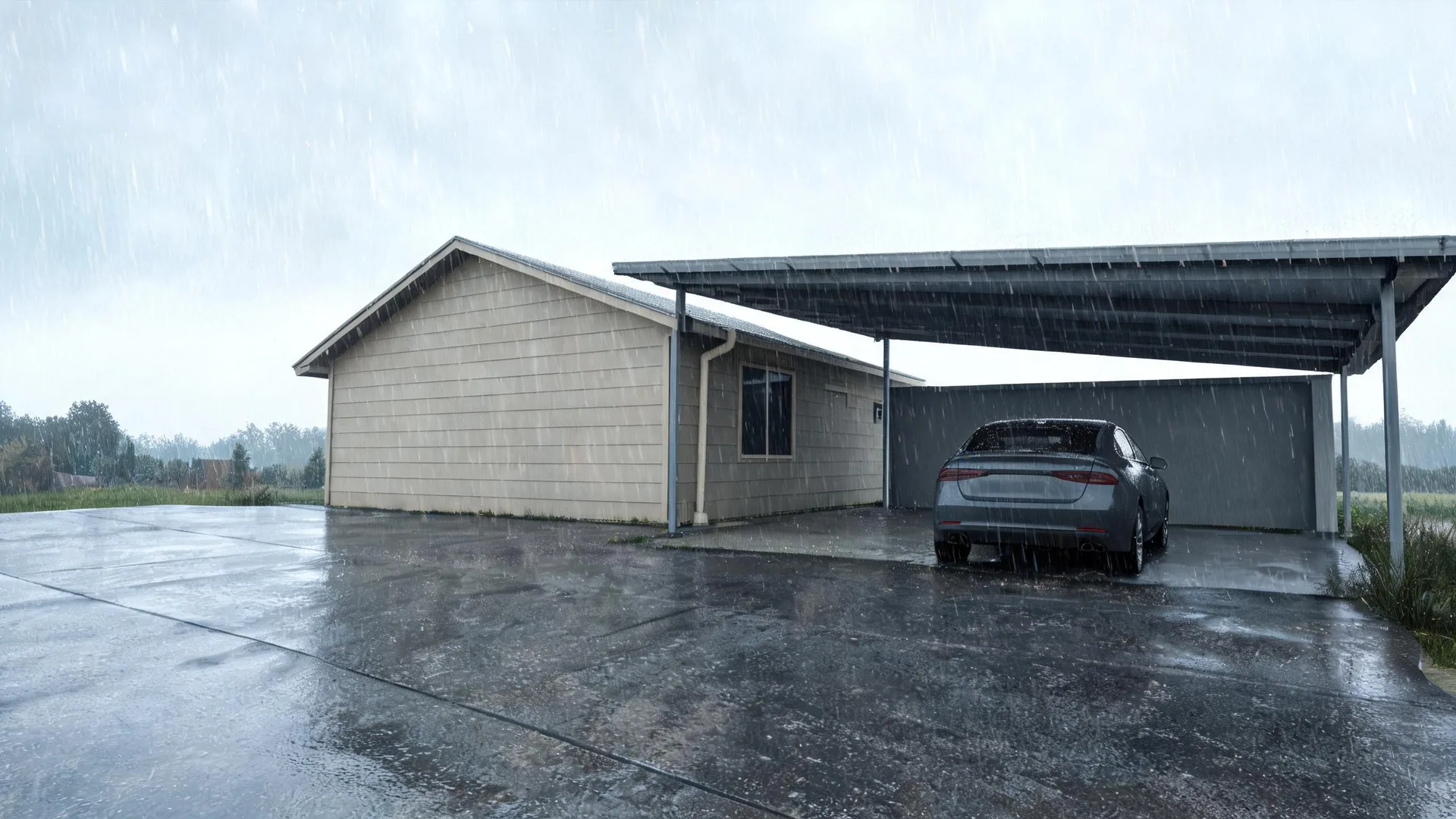
Bad weather driving is almost never practiced on purpose, since most new drivers learn in clear weather and then face their first rain or snow alone. If the season allows it, a supervised drive in light rain is worth more than another hour in good conditions.
Night driving changes how everything looks, including distance and speed. A new driver who has only driven in daylight should have at least a few supervised night drives before the test, regardless of whether the state requires it.
Questions people ask about this
How many hours of practice does a new driver need before the test?
This is set by your state, not by a fixed number that applies everywhere. Check your state's DMV or licensing agency for the required minimum supervised hours, and treat that as a floor rather than a target, since more practice in weak areas is rarely wasted.
Should a new driver learn on an automatic or a manual transmission?
Learning on an automatic lets a new driver focus on traffic and judgment first, since there's nothing else to manage. Learning on a manual adds another skill to learn at the same time, which some people prefer to get out of the way early and others find distracting. Either choice is fine as long as the test is taken in the same type of transmission the driver plans to use.
Does a parent teaching their teen to drive affect insurance later?
How a new driver learned to drive isn't something insurers typically ask about directly, but the habits formed during that time show up in their driving record, which insurers do look at. Ask your insurer what they consider when pricing a new driver's policy, since this varies by company.
What should a new driver practice right before the road test?
Focus on whatever the test actually checks, since that varies by state. Some states test parallel parking, three point turns, or specific maneuvers, and your state's DMV usually publishes the test checklist. Practice those specific items in the days before the test rather than general driving.
Does completing a driver's education course lower insurance for a new driver?
Some insurers offer a reduction for a completed driver's education or defensive driving course, but this depends on the insurer and sometimes the state. Ask your insurer directly whether they offer this and what proof they need, since the certificate usually has to be sent in rather than assumed.
Once your teen has a license, it's worth comparing how different insurers price a new driver before you commit to one.
Check your state's DMV website for the exact permit hour requirements and what the road test covers, since both vary by state. Build a practice schedule that starts with car control in a lot, moves to low traffic streets, then adds highway driving, night driving, and bad weather as the basics become automatic. Ask whoever is supervising practice, whether a parent or an instructor, to keep a simple log of hours and conditions covered, since some states require this at the test. Before the road test, ask your insurer what documentation they want if you plan to claim a discount for a completed driver's education course. Once the new driver is licensed, get quotes from a few insurers rather than staying with the family's current one by default, since new driver pricing varies a lot by company.