What to Teach a New Driver First
Before a new driver gets near traffic, they need to know how the car responds and where its edges are.
Start with car control, not traffic
The first lessons should happen somewhere empty: a parking lot, a quiet road with no other cars. The goal is for the new driver to learn how the car responds before they have to think about anyone else on the road. Braking distance, how much the car turns for a given amount of wheel, where the corners of the car actually are. None of that is obvious the first time someone sits in the driver's seat.
Once they can stop smoothly, turn without overcorrecting, and judge the car's width without asking you, they're ready for a real road. Not a highway. A slow street with stop signs and maybe one traffic light. The order matters more than the speed you move through it.
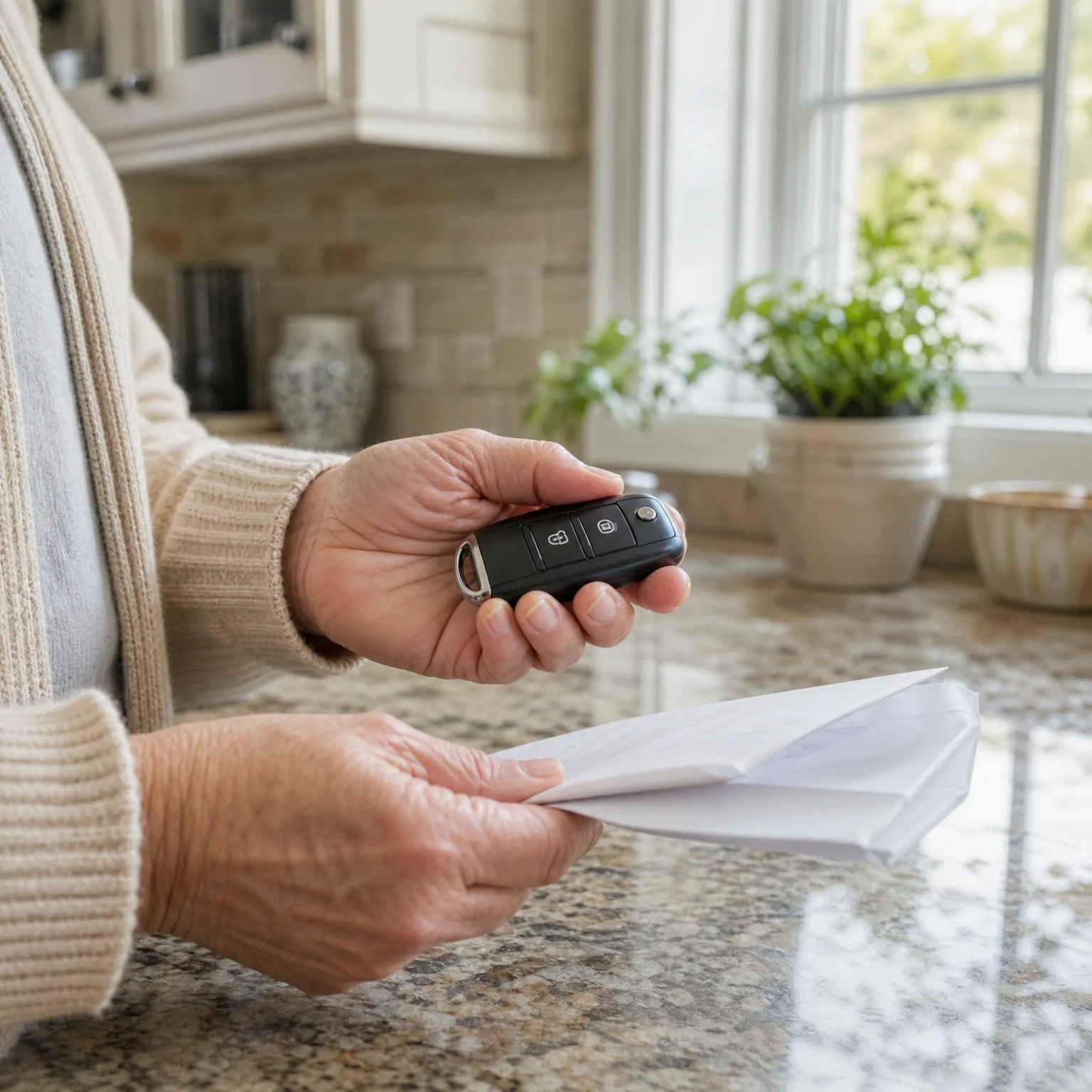
Their instincts, not yours
A new driver doesn't have the instincts you built up over years without noticing. You check your mirrors without thinking about it. They have to be told to do it, then reminded, then told again. The things that feel automatic to you are a checklist to them, and the checklist has to come before anything else.
Start with mirrors, seat position, and where their hands go on the wheel. Make them say out loud what they're about to do before they do it. Merging, changing lanes, backing out. It feels slow and a little silly, but it's how the checklist becomes instinct instead of something they forget under pressure.
Watch for the moment they stop narrating and start just doing it. That's usually the sign they're ready for something harder, not a fixed number of hours or drives.
Resist the urge to grab the wheel or hit an imaginary brake pedal. If something goes wrong, say so calmly and let them correct it, within a margin you've set by choosing an empty lot or a quiet street in the first place.
What most people skip
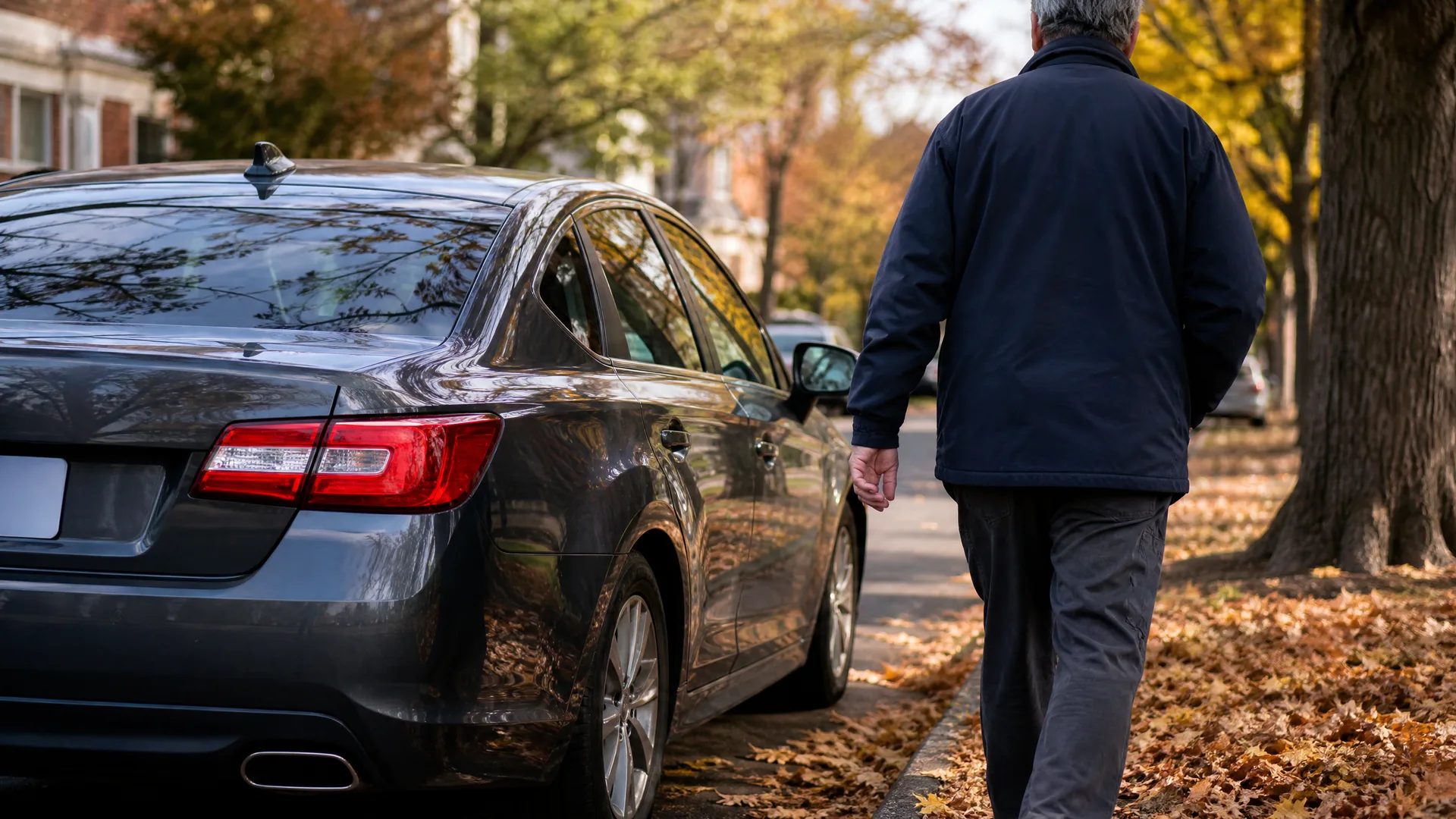
Most new driver instruction focuses on the mechanics of driving and skips the parts that cause real crashes: following too close, misjudging a gap to turn into, not scanning far enough ahead to see trouble before it's close. These aren't things you can explain once. They have to be pointed out, in the moment, over many drives.
Teach them to look well past the car in front of them, not just at its bumper. Teach them to leave room they feel is excessive at first. New drivers consistently follow too close because they don't yet have a feel for how fast a gap can close.
Night driving, rain, and highway merging should come later, after the basics are solid, and should be taught deliberately rather than left to happen the first time conditions turn bad. Each of those situations asks for judgment that only comes from having done the easier version enough times first.
Questions people ask about this
How many practice hours does a new driver actually need?
There's no single number that applies everywhere. Many states set a minimum number of supervised hours for a learner's permit, and that number varies by state, so check what your state's DMV requires rather than going by a general rule. The required minimum is usually less than what it actually takes to drive well, so treat it as a floor, not a target.
Should a new driver start on an automatic or a manual transmission?
Most new drivers start on an automatic because it removes one thing to think about while they're still learning everything else. If they'll eventually need to drive a manual, that's worth teaching separately, once basic control and hazard awareness are solid, rather than combining both lessons at once.
When should a new driver start driving with other teenagers in the car?
Many states restrict this directly through graduated licensing laws that limit passengers for new drivers, and the rule varies by state, so check what applies before assuming it's up to you. Even where it isn't restricted by law, most instructors suggest waiting until a new driver is fully comfortable alone before adding the distraction of friends in the car.
Does the car they learn in matter?
Yes, a car that's easy to see out of and simple to judge the size of makes early lessons easier. A large SUV or a car with poor visibility adds a layer of difficulty that has nothing to do with driving skill itself. If you have a choice of vehicles, start with the one that's easiest to place on the road.
How does teaching a new driver affect insurance?
Adding a new driver to a policy almost always changes the premium, and how much depends on the insurer, the car, and sometimes the state. Ask your own insurer directly what adding a teen or new driver to your policy will do to your rate, and whether completing a driver's education course affects that, since insurers treat this differently.
See what adding a new driver to your policy is likely to cost before you make it official.
Spend the first few sessions in an empty lot before going anywhere near traffic. Bring a notebook or use your phone to jot down what needs repeating, since you'll forget by the next lesson otherwise. Call your insurer now, before the new driver is licensed, and ask exactly how adding them will change your premium and whether a driver's education certificate makes any difference. Ask your state's DMV what supervised hours and passenger restrictions apply, since both vary by state. Keep the early drives short and specific to one or two new skills rather than trying to cover everything at once.