What Are the Hardest Parts of Learning to Drive
Most new drivers struggle less with operating the car and more with reading traffic and reacting in time.
The hard part is judgment, not control
Most new drivers can learn the mechanics of steering, braking and parking within a few lessons. What takes longer is judgment: knowing when a gap in traffic is big enough, how fast to take a turn you've never seen before, when another driver is about to do something unpredictable.
That's why merging onto a highway, changing lanes in traffic and parallel parking under pressure tend to rank as the hardest skills, even for people who pick up basic car control quickly. Those situations ask a new driver to judge speed, distance and other people's intentions all at once, with no time to think it through.
What's actually being asked of the driver
Merging is hard because it asks for a decision made well before the moment it has to happen. A new driver often waits too long, looking for a gap that's completely clear, when experienced drivers are already adjusting their speed to make one.
Parallel parking is hard for a different reason. It's a sequence of small corrections, and a new driver who gets the first one slightly wrong has no good way to recover without starting over. That's less about nerve and more about not yet having a feel for where the car's corners are.
Reading other drivers is the one that improves slowest. Knowing that a car drifting slightly in its lane might be about to change lanes, or that a pedestrian near a curb might step out, comes from having seen it happen before. There's no shortcut to that kind of experience, only time behind the wheel.
Night driving and bad weather often get added to this list later, once the basics are comfortable, because they take away some of the visual information a new driver has been relying on.
What tends to help the most
Practice in the actual situations that feel hardest, not just general driving time, is what moves the needle. A new driver who only practices on quiet residential streets won't get better at merging just by logging more hours there. They need time on the specific kind of road or situation that gives them trouble.
Having an instructor or experienced driver narrate what they're seeing helps too. Hearing someone say "that car's about to merge, see how it's speeding up" out loud teaches a kind of pattern recognition that's hard to explain in a classroom.
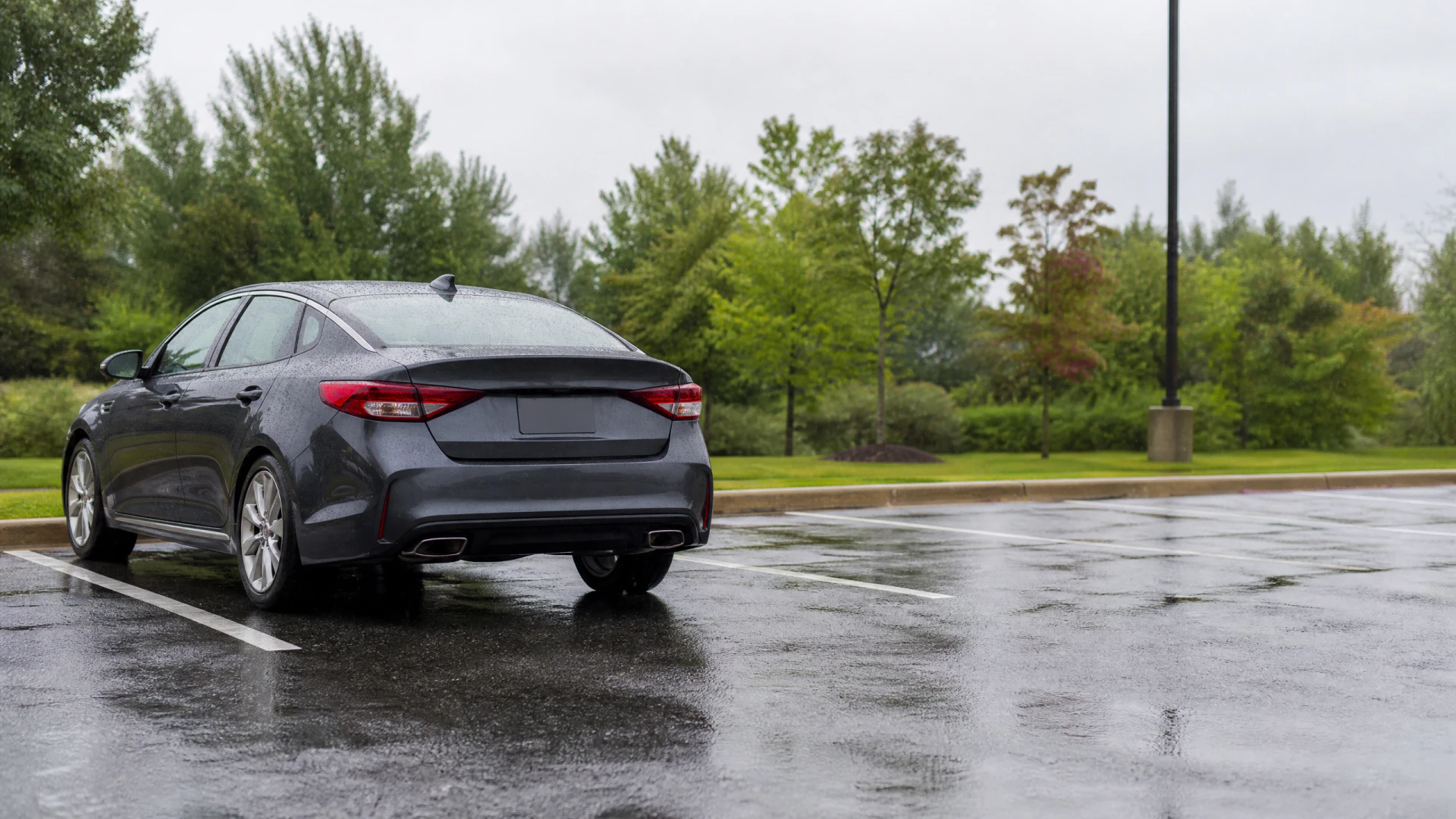
Some of this also depends on the car. A new driver learning in a small car with good visibility often finds judging distance and parking easier than someone learning in a larger vehicle, simply because they can see more of what's around them.
If a parent is supervising, it helps to ask the new driver what they're seeing and what they plan to do before a tricky moment arrives, rather than after. That builds the habit of looking ahead instead of reacting late.
Questions people ask about this
How many hours of practice does a new driver usually need?
This varies enough by person and by state that there's no single answer. Some states set a minimum number of supervised hours for a learner's permit, and that number is worth checking directly with the state's driver licensing agency since it differs from state to state.
Is highway driving harder to learn than city driving?
They're hard in different ways. Highway driving asks for quick judgment about speed and merging, while city driving asks for constant attention to pedestrians, cyclists and frequent stops. Most new drivers find it easier to get comfortable with one before tackling the other.
Does learning in a manual transmission car make things harder?
It adds an extra task, since the driver has to manage the clutch and gears while also watching the road. Some new drivers find this splits their attention early on, though it tends to become automatic with practice, same as any other part of driving.
Why do new drivers struggle more at night?
Night driving removes some of the visual cues a new driver has been leaning on, like being able to see a car's full shape or judge its distance by more than just headlights. Depth perception and reaction time both get harder to rely on in low light.
Does nervousness get better with time or does it stay the same for some people?
For most new drivers, nervousness fades as specific situations become familiar, since much of the anxiety comes from not knowing what to expect. If nervousness doesn't ease with practice, it may be worth talking to the instructor about which situations still feel hardest and focusing practice there.
Once the hard parts start feeling routine, it's worth seeing how that shows up in what you'd pay for coverage.
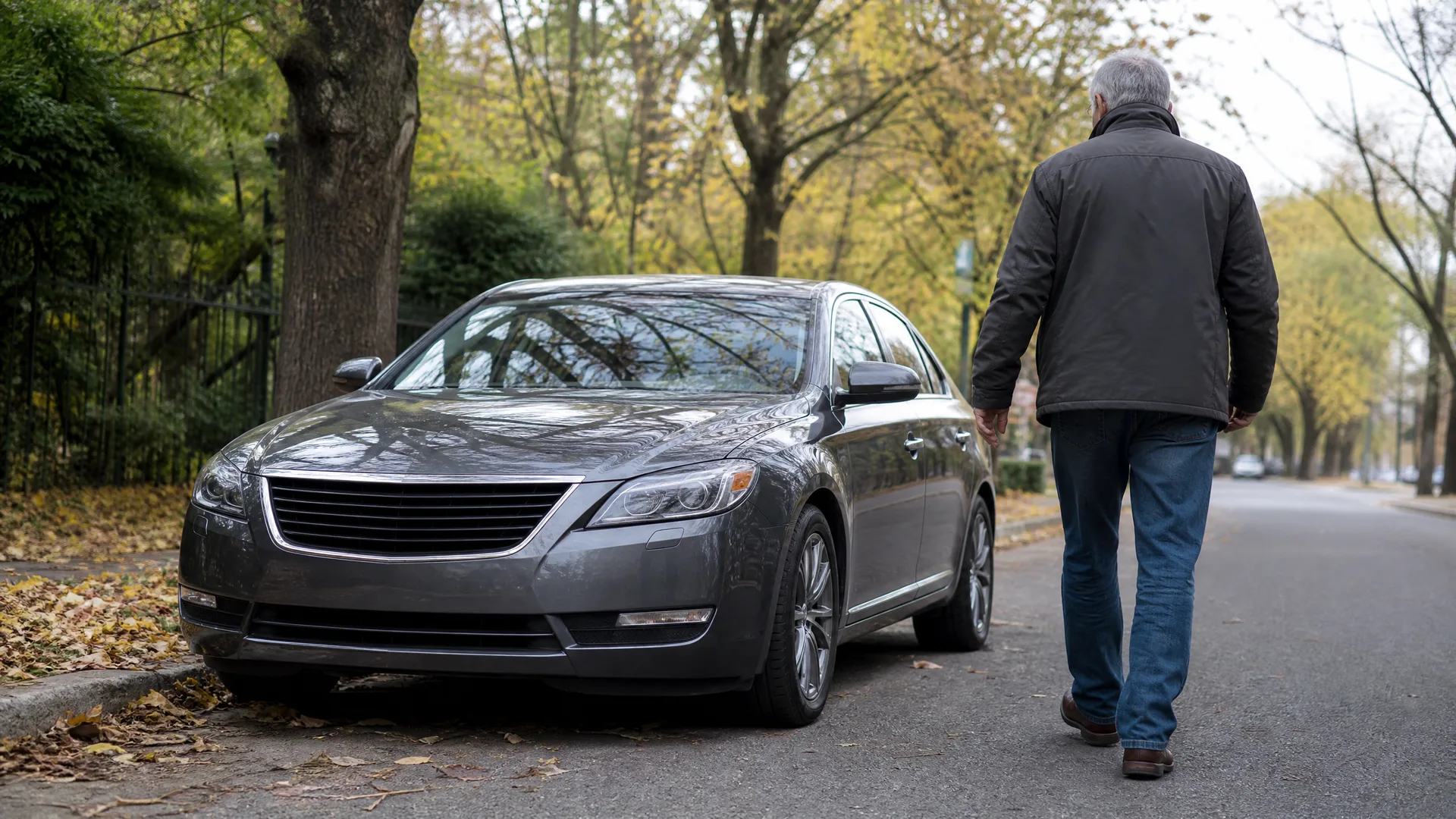
Keep a simple list of which situations still feel hardest, whether that's merging, parking, or night driving, and ask the instructor or supervising driver to build the next few practice sessions around those specifically. If a course completion certificate is part of the state's requirements, confirm with the state licensing agency or driving school what paperwork is needed and when it has to be submitted. Once a license is in hand, ask about any discounts tied to completing a driver education course, since insurers often want to see that certificate directly rather than just hearing that the course was taken. Keep the certificate and any course records somewhere easy to find for when it's time to look at insurance options.