What Is the Best Way to Teach Someone to Drive
No single method works alone. What teaches a new driver to drive well is hours behind the wheel, in different conditions, with someone calm sitting next to them.
Practice in a wide range of conditions, spread over time
The best way to teach someone to drive is regular supervised practice that covers more than empty parking lots and quiet streets. A new driver needs time in traffic, in rain, at night, and on the highway, with someone experienced next to them who stays calm and lets them work through it.
A driving course helps because it teaches rules and habits in a structured way, but it isn't a substitute for hours behind the wheel. Most states require a set number of supervised hours before a learner can test for a license, and that requirement exists because the hours themselves are what builds judgment, not the classroom part.

Who's teaching changes what gets learned
A parent or family member teaching a new driver brings something a class can't: they know the roads the learner will actually use, and they can go back to the same tricky intersection or merge as many times as it takes.
But teaching someone you're close to is harder than it sounds. Tension in the car teaches the wrong lesson just as easily as calm does. If every mistake gets a sharp reaction, the learner starts driving to avoid criticism instead of learning to read the road.
A professional instructor adds something different: they've seen many new drivers and they know what a particular mistake usually means, whether it's nerves, a bad habit forming, or just needing more practice with that one maneuver. Many families use both, a course for the fundamentals and feedback, and a parent for the bulk of the practice hours.
Whichever way it's split, the learner should get time with more than one supervising driver if possible. Different people notice different things, and a second perspective often catches a habit the first one missed.
Where most teaching goes wrong
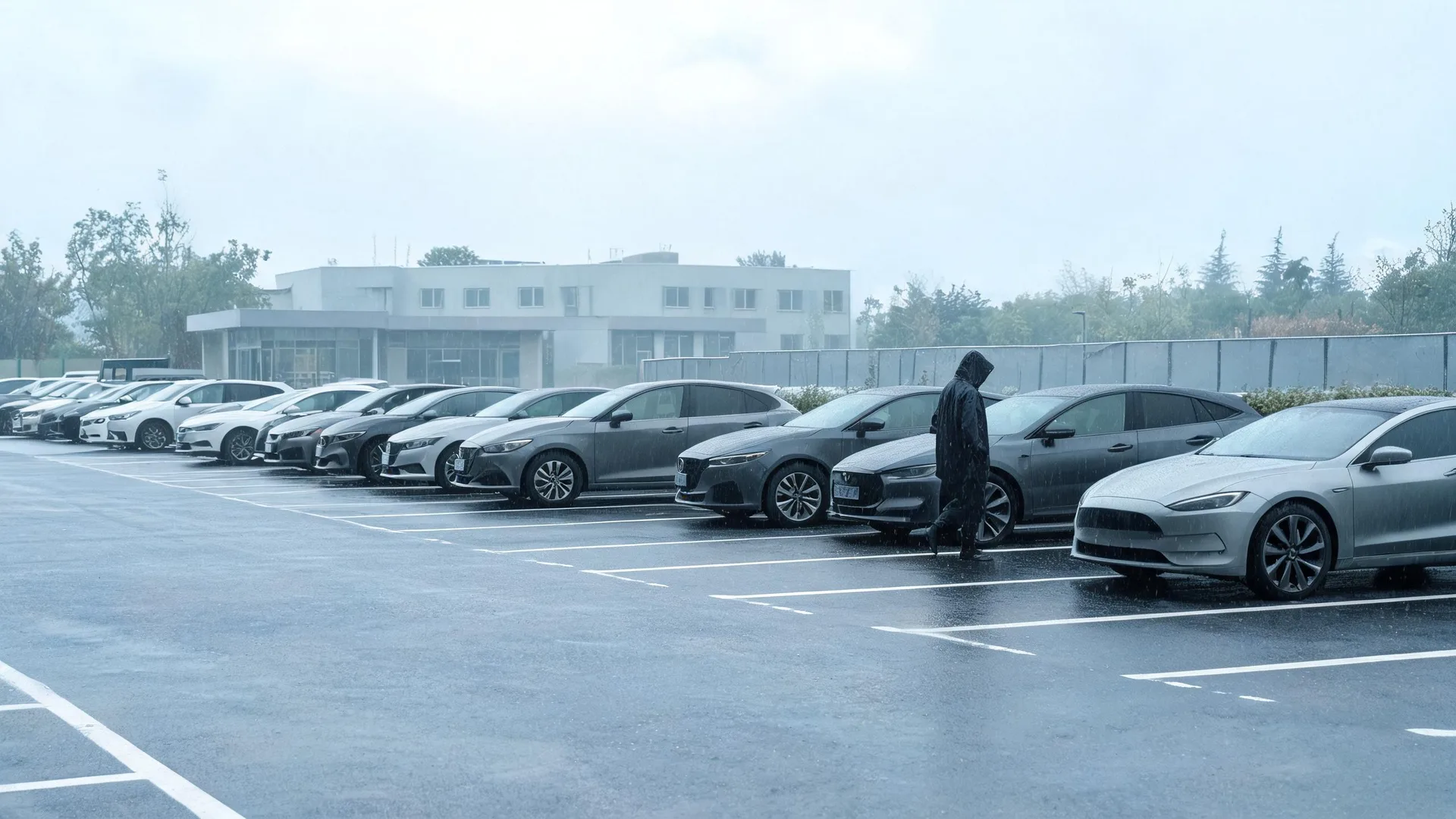
The most common mistake is sticking to easy conditions for too long. A learner who only practices on quiet roads in good weather hasn't been taught to drive, they've been taught to drive in good weather on quiet roads. The hard conditions, heavy traffic, night driving, rain, highway merging, need to show up during the learning period, not for the first time after the license is issued.
The second mistake is narrating too much. A learner who is told what to do at every turn never practices deciding on their own. Good teaching means talking less as the hours go on, not more, so the learner builds judgment instead of waiting for instructions.
The third is skipping the boring parts. Checking mirrors, signaling early, scanning intersections before entering them, these habits feel slow to teach because nothing exciting happens when they're done right. But they're the habits that matter most once the learner is driving alone.
Finally, logging practice hours honestly matters. If a state requires a certain number of supervised hours before testing, padding the log without the real practice behind it leaves a new driver licensed but not actually ready.
Questions people ask about this
How many hours of practice does a new driver need before they're ready?
There's no fixed number that guarantees readiness, it depends on the learner and the state's requirement. Many states set a minimum number of supervised hours before a learner can test, and that minimum is worth checking with the state's licensing agency, but treat it as a floor, not a target. Readiness shows up in how the learner handles unfamiliar roads and conditions, not in a count on a log sheet.
Should a new driver take a driver's education course or just practice with a parent?
Most new drivers benefit from both rather than choosing one. A course teaches rules, hazard awareness, and structured feedback that's hard to replicate informally, while practice with a parent or family member provides the volume of hours and local road familiarity a course can't. Some states also offer an insurance or licensing benefit for completing an approved course, which is worth asking the state agency or insurer about directly.
What's the right age to start teaching someone to drive?
This is set by the state, since each one has its own minimum age for a learner's permit and for a full license. Check the licensing agency in the learner's state for the exact ages and any waiting period between permit and license. Readiness also depends on the individual, so the legal minimum age isn't always the right age to start.
How do I know if a new driver is ready to drive alone?
A new driver is ready when they handle unfamiliar roads and changing conditions without needing constant direction, not just when they pass the test. Watch whether they check mirrors and scan intersections on their own, without being reminded. If they still need frequent prompting during supervised drives, more practice time usually helps more than rushing to the test.
Does teaching a new driver affect my car insurance?
Adding a new driver to a household's policy usually affects the premium, since insurers consider a new driver's experience level when they price a policy. How much it changes depends on the insurer and the driver's age, so it's worth asking the insurer directly what adding a learner or a newly licensed driver will do to the policy before it happens.
See what adding a new driver to your policy would actually cost before you commit to a plan.

Check your state's learner's permit and licensing requirements this week, including the minimum supervised hours and any course credit for insurance. Call your insurer and ask how adding a new driver, or a newly licensed one, will change your premium, and whether a driver's education certificate qualifies for any adjustment. Build a practice schedule that moves from quiet streets into traffic, night driving, and highway merging well before the test date. If a parent and a professional instructor will both be involved, decide early who covers which parts so the learner isn't getting conflicting instructions.