Do You Put a Baby Car Seat Behind the Driver or Passenger
The back seat is required, but which side depends on your car, your other children, and how you load and unload the baby.
Either side works, if the seat is installed correctly
There's no law or rule that says a baby car seat has to go behind the driver or behind the passenger. What matters is that it's in the back seat, installed tightly, and at the right angle for a baby's age and weight. Both sides are equally safe when the installation is done right.
The side you choose comes down to your own situation. If you're often getting the baby in and out alone, you'll want the seat on the side that's easier and safer for you to reach, which usually means away from traffic. If there's already another child seat in the car, where that one sits will often decide where the new one goes.
How you load the baby changes which side makes sense
If you're usually parking at a curb or in a driveway, think about which side puts you on the safer side when you open the door. Loading a baby from the side facing traffic means standing in the road or close to it, which isn't a position you want to be in with a child in your arms.
Some parents prefer the seat behind the passenger seat because it puts the baby closer to the sidewalk in most everyday parking situations, and because the front passenger seat can be slid forward to make reaching the baby easier. Others prefer behind the driver because it means less walking around the car. Neither reason has to do with crash safety. Both are about what's practical for the way you actually use the car.
If you drive alone with the baby often, test both sides before you decide. Sit in the back, buckle and unbuckle the harness, and see which side you can do comfortably without twisting or straining.
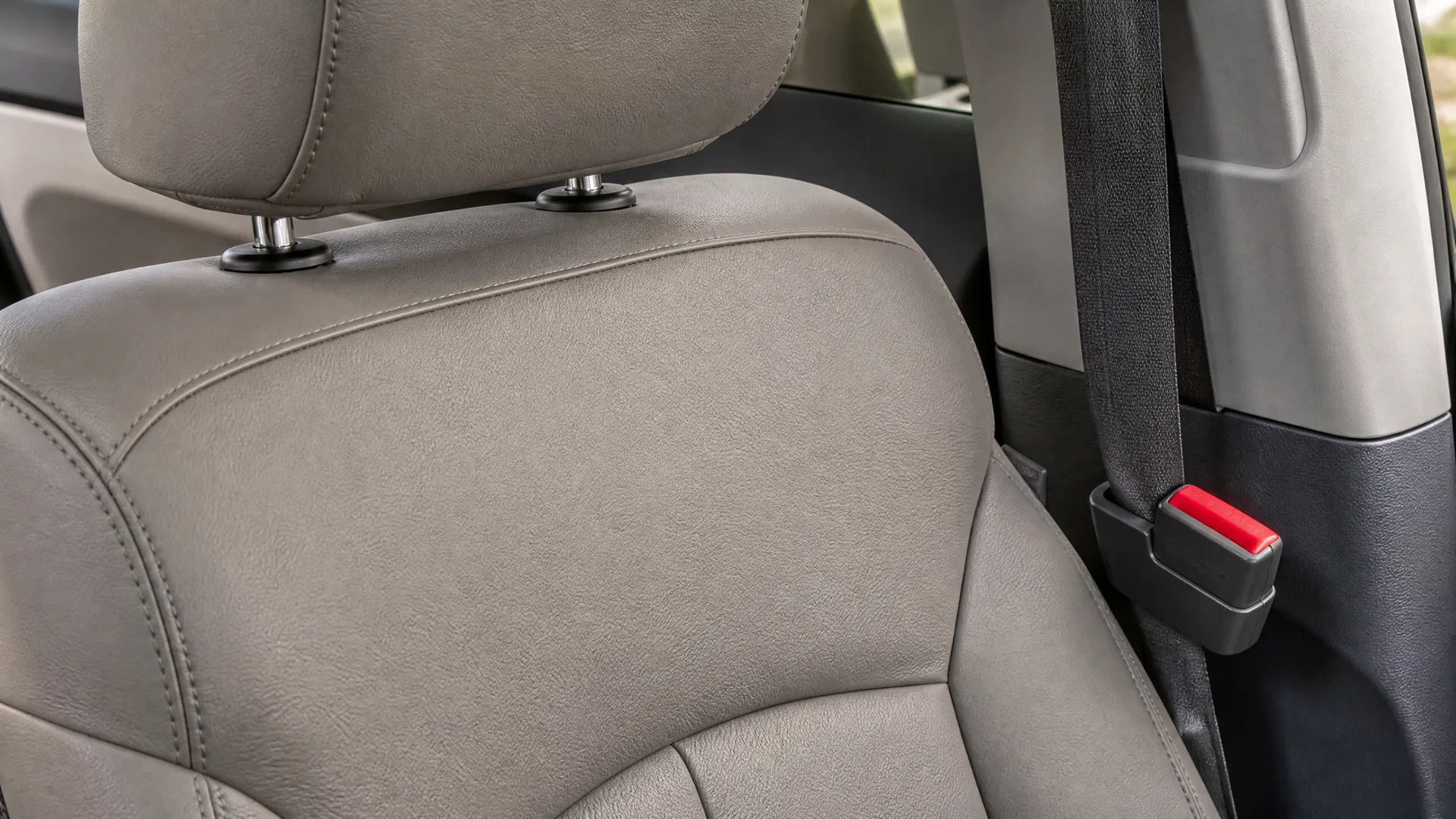
What else is in the back seat matters more than which side
If you have another child who also rides in a car seat or booster, where that seat is already installed often decides where the new one goes. Keep in mind that some state booster and seat belt rules require older children to sit in specific positions, so check what applies before you move anyone around.
The center of the back seat is usually the safest position in a crash, if the seat can be installed there tightly with either the vehicle's seat belt or the lower anchors. Not every car seat fits well in the center of every back seat, so check your car seat's manual and your vehicle's manual before assuming it will work there.
If you have two children in seats, many parents find it easier to load and unload from the two outer positions rather than reaching across to the middle. That's a reasonable trade to make. A correctly installed seat on either side is safer than a loosely installed one in the center.
Questions people ask about this
Can a baby car seat go in the front seat if the back seat is full?
In most cases, no, and many states prohibit it outright for young children regardless of how full the back seat is. If you regularly need to fit more car seats than your back seat allows, look into vehicles with three rows or check whether your state permits an exception, since rules vary.
Is the middle seat always the safest spot for a baby car seat?
The center position is often considered safest because it's farthest from either side in a crash, but only if the seat installs tightly there. If your car seat can't get a snug, secure fit in the center of your particular back seat, a properly installed seat on either side is better than a loose one in the middle.
At what point can a baby move from a rear-facing seat to forward-facing?
This depends on your child's age, weight, and height as well as the specific rules in your state, since requirements vary. Check your car seat's manual for its weight and height limits, and check your state's child passenger safety law for the minimum age before switching.
Do I need to reinstall the car seat every time I move it to a different car?
Yes, the seat needs to be checked and tightened in each vehicle it's used in, because back seats differ in shape and belt or anchor placement. A seat that was tight in one car can be loose in another even if nothing about the seat itself changed.
Will my car insurance go up if I'm in an accident with a baby in the car?
Having a child in the car doesn't affect your insurance rate one way or another. What affects your rate after an accident is whether you were found at fault and the cost of any claim, which your insurer can explain based on your specific policy.
If you're shopping for a car that makes it easier to fit car seats where you need them, compare quotes based on the vehicle you actually choose.
Before you decide on a side, sit in the back seat yourself and test the installation in both positions with the seat you have. Check your car seat's manual for its rules on center installation and recline angle, and check your vehicle's manual for where the lower anchors are located. If you have another child already in a seat, work around that seat's position rather than moving it. Once the baby's seat is installed, give it a firm push at the belt path to confirm it doesn't move more than an inch in either direction. If you're unsure whether it's installed correctly, many fire stations and police departments offer free seat checks, and it's worth having someone trained look at it before you rely on it.