What Are Some Good Driving Skills to Teach a Grandchild
The habits worth teaching are the ones that cover what crashes new drivers most: judging speed, scanning ahead, and handling conditions they haven't seen yet.
Start with hazard awareness and vehicle control
A new driver's biggest risk isn't not knowing the rules of the road. It's not yet having the instinct to spot trouble before it happens. Teach your grandchild to scan well ahead of the car, check mirrors on a habit rather than when something alarms them, and leave real space behind the car in front. These are things that take practice to become automatic, and a grandparent who's been driving for decades can show what that looks like in a way a manual can't.
After that, the skills that matter most are the ones they'll face soon and haven't yet. Merging onto a highway. Parking in a tight space. Driving in rain or on a road they don't know. None of this depends on where you live, though the specific hazards, mountain roads, heavy snow, city traffic, do.
What they'll actually drive in changes what to teach
A grandchild who will mostly drive around a small town needs different practice than one heading off to a city with heavy traffic or a place with real winters. Ask where they'll be driving most, then build the lessons around that. Time behind the wheel in the conditions they'll face does more than general practice.
If they're headed somewhere with winter weather, spend a session on braking distance on wet or icy pavement, somewhere safe to do it, like an empty lot. If they'll be driving mostly on fast roads, spend more time on merging and lane changes at speed. If they'll be in dense traffic, spend more time on following distance and reading what other drivers are about to do.
Night driving deserves its own session regardless of where they live. Depth perception and reaction time work differently after dark, and a new driver often hasn't yet learned how much farther back they need to see.
Whatever you teach, let them drive the actual route they'll use most, not just an empty parking lot. A quiet neighborhood street doesn't prepare someone for the on-ramp they'll use every day.
What most people skip: the skills that don't come up in a driving test
A driving test checks whether someone can operate a car correctly. It doesn't check whether they'll make good decisions when something goes wrong or something is tempting. Teach your grandchild what to do if a tire blows out, if the car starts to skid, or if a warning light comes on while driving. None of this is likely to come up during a lesson, but each one is worth walking through in words even if you can't safely practice it.
Teach them how to handle distraction before it becomes a habit. That means talking plainly about phones, about passengers, about eating or adjusting music while driving. New drivers who form good habits early tend to keep them. Those who don't often have to unlearn something.
Also worth covering: what to do after a minor accident. Who to call, what to photograph, how to exchange information. It's not a skill in the traditional sense, but it's one almost every driver eventually needs and almost no one teaches.
Finally, talk about what their insurer expects of them. Some insurers offer a discount for completing a driver's education course or a defensive driving course, but the family usually has to ask about it and provide proof. That's worth checking directly with the insurer rather than assuming it happens automatically.
Questions people ask about this
How many practice hours does a new driver need before getting a license?
This is set by the state, not by any general rule, and the required hours vary. Check with your state's DMV or licensing agency for the exact requirement before assuming a number.
Should a grandparent be the one teaching a grandchild to drive?
A grandparent can be a good teacher if they're patient and know the car well, but check what your state requires of a supervising driver, since some states have rules about who qualifies to ride along with a learner's permit holder.
Does adding a grandchild to a policy affect the grandparent's insurance?
It depends on whose policy the grandchild is added to and how your insurer rates young drivers. Ask the insurer directly how adding a new driver to the household would change the policy before assuming either way.
What should a new driver do if they get in a minor accident?
They should stop, check for injuries, and exchange information with the other driver before anything else. Walking through this scenario ahead of time, including what to photograph and who to call, helps a new driver stay calm if it happens.
Is it better to teach a new driver in an empty parking lot or on real roads?
Both matter, but a parking lot alone doesn't prepare someone for traffic, merging, or reading other drivers. Start with basic control somewhere empty, then move to the actual roads they'll use regularly as soon as they're ready.
See how adding a new driver to the household might change what you pay before you decide how to handle it.
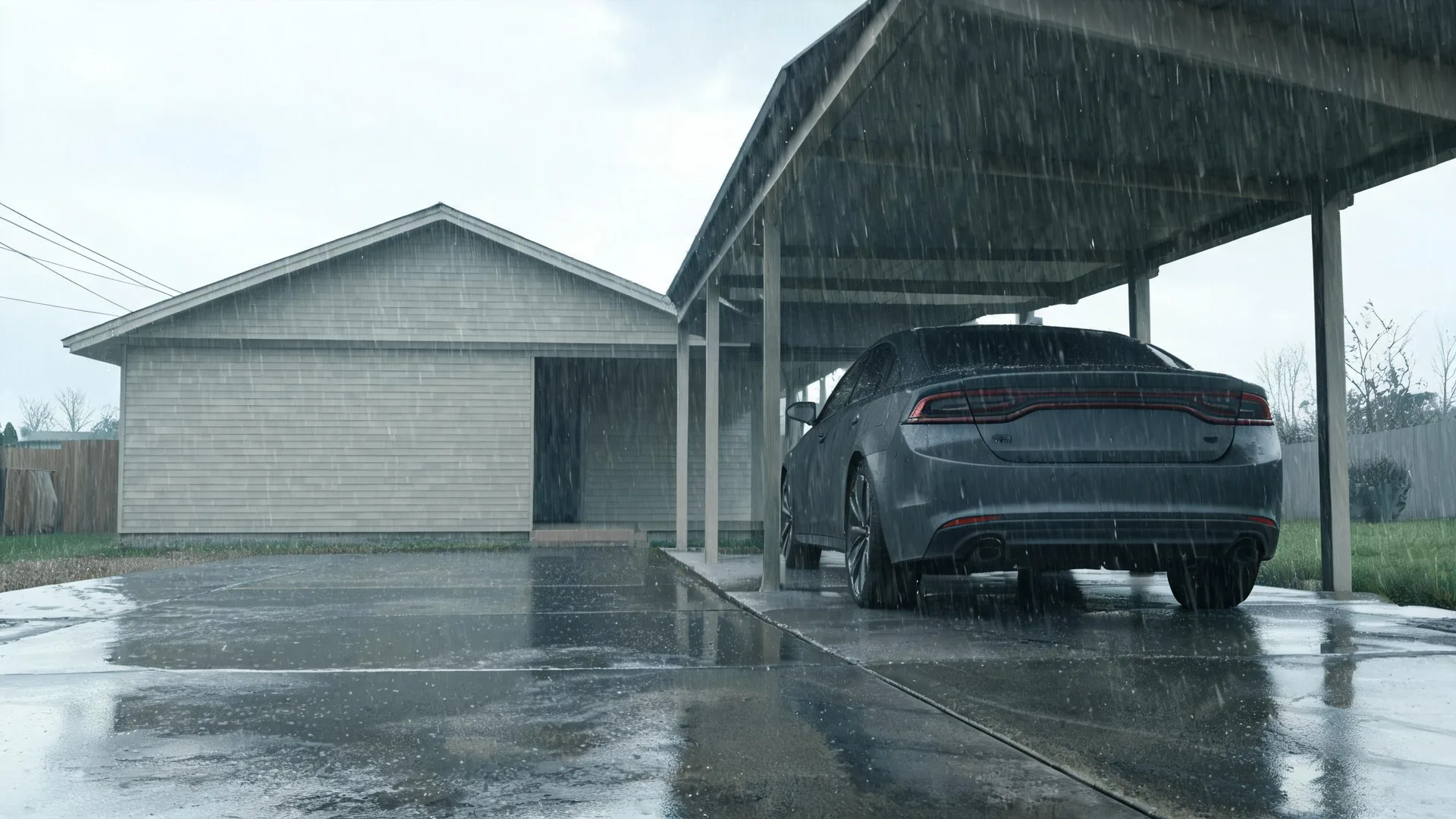
Before your grandchild starts driving regularly, call the insurer that covers the car they'll use and ask how adding a new driver changes the policy. Ask specifically whether a driver's education certificate or a defensive driving course qualifies for any adjustment, and get in writing what proof they'll need. Spend a few sessions behind the wheel focused on the conditions they'll actually face, highway, night, rain, rather than general practice alone. Walk through what to do after a breakdown or a minor accident before it happens, not after. If you're not the one insuring the car, pass along what you learn to whoever is.