How to Teach a Teen to Drive in Bad Weather
Start in light rain on roads your teen already knows, then add harder conditions one at a time as they show they can handle the last one.
Build up slowly, from mild weather to severe
Teach bad weather driving the same way you'd teach anything else hard: start easy and add difficulty once the easier version is solid. That means light rain before heavy rain, a familiar road before an unfamiliar one, daylight before dark. A teen who has only ever driven in clear weather doesn't have a feel for how the car behaves when the road changes under them, and that feel is what you're actually teaching.
What this depends on is how much driving experience your teen already has in good conditions. A teen who is still working out basic car control shouldn't be learning that in the rain at the same time. Get the fundamentals solid first, then introduce weather as its own lesson.

Teach one condition at a time, not all of them at once
Rain, snow, fog, and wind each change the car's behavior differently, and teaching them together just means your teen is overwhelmed by all of them. Pick one. Light rain is usually the easiest starting point because it's common and the risk is lower than snow or fog.
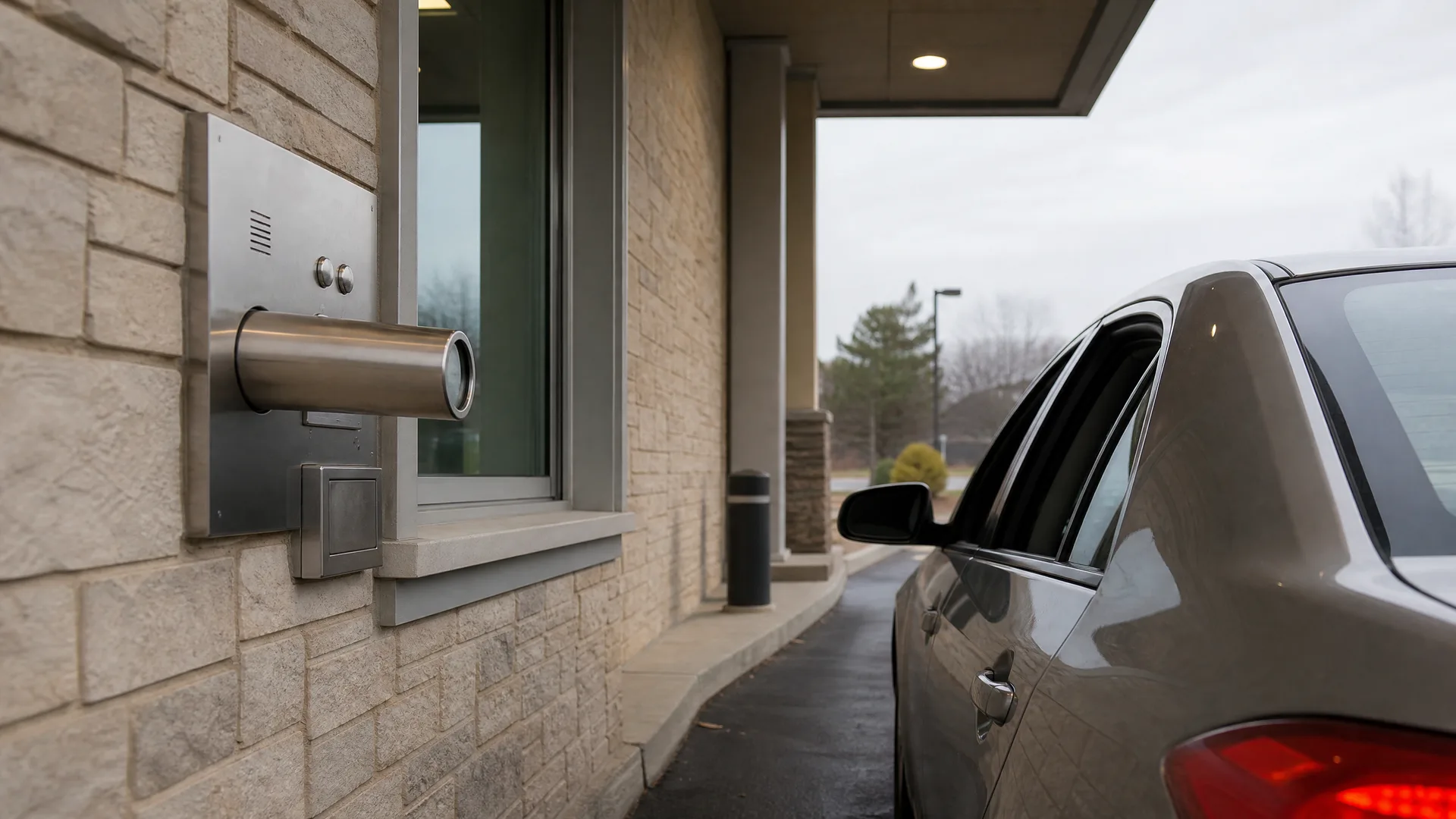
For rain, have your teen practice on a road they already drive well, so the only new variable is the wet surface. Point out how much longer it takes to stop, how the wipers and defroster work together to keep the windshield clear, and how to read standing water on the road ahead so they can avoid it rather than drive through it.
Once rain feels routine, move to the next condition. Fog usually comes next because the main skill is just slowing down and using low beams instead of high beams. Snow and ice take longer to teach well because the car can lose traction in ways that are hard to practice safely, so many parents start that lesson in an empty lot before ever taking it onto the road.
Wind is often skipped entirely, but it matters for anyone who will drive a highway regularly. Gusts from passing trucks or open stretches of road can push a car noticeably, and a teen who hasn't felt that before can overcorrect.
Practice what to do when the drive goes wrong, not just how to avoid it
A lot of teaching focuses on prevention, which matters, but teens also need to know what to do when something happens anyway. What does your teen do if the car starts to hydroplane. What do they do if visibility drops to almost nothing in fog or snow. Where do they pull over if conditions get bad enough that continuing isn't safe.
Talk through these before they happen rather than during. A calm conversation in the driveway about easing off the gas and steering straight during a skid sticks better than instructions shouted mid-skid. Same with knowing which roads have a safe shoulder to pull onto and which don't.
It's also worth teaching your teen to judge when not to drive at all. Checking a weather forecast before a trip, recognizing when a storm warning means staying home, and knowing it's fine to call you for a ride instead of driving through something they're not ready for. That judgment call is as much a part of bad weather driving as any technique behind the wheel.
Questions people ask about this
What age should a teen start practicing driving in bad weather?
There's no set age for this, it depends on how comfortable your teen already is with everyday driving. Most parents wait until basic skills like lane control, braking distance, and parking are automatic before adding weather into the mix. If your teen is still thinking hard about the basics, bad weather practice can wait.
Is it safe to practice driving in an empty parking lot in snow?
Yes, this is a common and lower-risk way to teach skid control and braking on ice without the danger of other traffic. Pick a lot that's actually empty, not just quiet, and check with the property owner or local police department if you're unsure whether practicing there is allowed.
Should a new teen driver drive at night in the rain?
This combination is harder than either condition alone, so it's worth treating as its own lesson rather than assuming skills in daylight rain transfer directly. Night driving reduces how far ahead your teen can see, and rain adds glare from oncoming headlights on a wet windshield, so build up to this combination last.
Does bad weather driving experience affect a teen's car insurance?
This depends on the insurer and sometimes the state, since some offer discounts tied to completed driver training courses that may include weather or defensive driving content. Ask your insurer directly what their course requirements are and whether a specific certificate needs to be submitted to apply any discount.
How do I know if my teen is ready to drive alone in bad weather?
Watch how they handle it with you in the car first, specifically whether they slow down on their own, keep extra following distance without being reminded, and stay calm if the car reacts unexpectedly. If you're still coaching them through those basics, they're not ready to do it without you yet.
Once your teen is on the policy and driving independently, it's worth comparing how different insurers price that change.
Pick one weather condition to start with, most parents choose light rain, and schedule a practice drive on a road your teen already knows well. Before that drive, talk through what to do if the car hydroplanes or visibility drops suddenly, so the conversation happens when you're both calm. Keep each practice session focused on one condition rather than mixing several together. As your teen gets steady in one condition, add the next, saving the hardest combinations like night driving in rain for last. Separately, check with your insurer about what's required for any driver training or good student discount, since the paperwork is often different from the course itself.