What If My Grandchild Lets a Friend Drive My Car
Your policy follows the car, so if that friend was allowed to drive it, your insurance is likely the one that pays first.
Your insurance is probably on the hook
Most car insurance covers the vehicle, not just the people named on the policy. If your grandchild had your permission to drive the car and let a friend take the wheel with your grandchild's okay, that friend is usually treated as someone driving with your implied permission. Your policy responds first if there's an accident.
This depends on your insurer's definition of permissive use, which varies by company. Some policies extend coverage to anyone your grandchild allows to drive, as long as your grandchild had permission from you. Others are stricter about who counts as a permitted driver. Read the permissive use section of your policy or call your agent to find out exactly how yours is written.
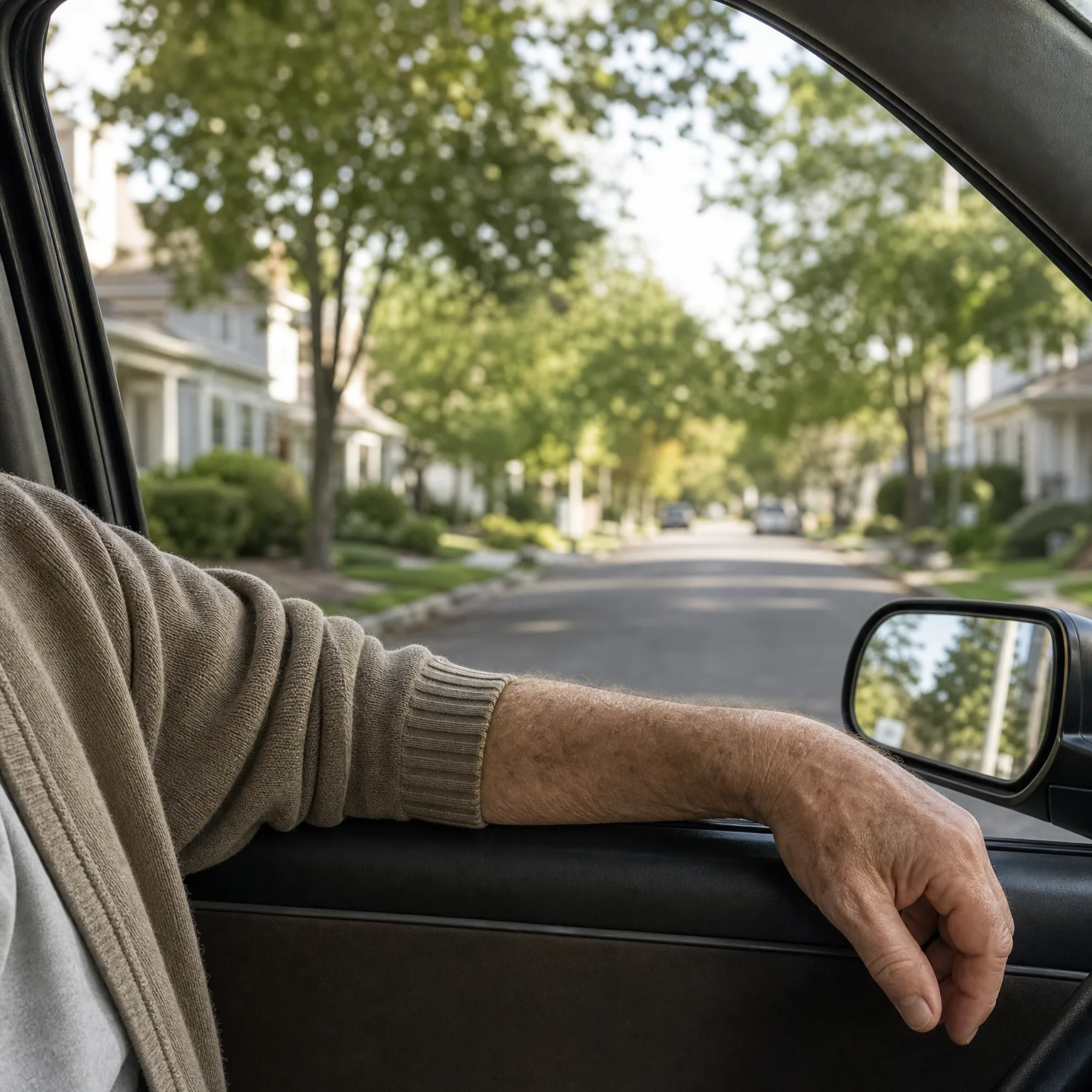
Whether your grandchild had permission to lend the car
The key question isn't whether the friend was a good driver or whether anyone meant harm. It's whether your grandchild had the authority to hand your keys to someone else. If you told your grandchild the car was theirs to use but not to share, and they let a friend drive anyway, some insurers may treat that as driving without permission and push back on the claim.
If you never said anything one way or the other, insurers often look at past behavior. If your grandchild has let friends drive before without objection from you, that history can support the idea that it was allowed.
It helps to be clear with your grandchild about this before it becomes a question after an accident. Tell them directly whether they can let someone else drive your car, and don't leave it to assumption.
If there's ever a dispute, your insurer will ask you and your grandchild separately what the understanding was. Consistent answers matter.

Whether the friend is a regular driver of your car
One accident involving a friend is different from a friend who drives your car regularly. If this is a one-time thing, permissive use coverage is designed for exactly this situation. But if your grandchild's friend borrows the car often, your insurer may say that friend should have been listed as a regular driver on your policy.
Insurers ask this because regular drivers change the risk they're pricing for. A single afternoon is one thing. A standing arrangement is another, and not disclosing it can affect how a claim is handled.
If you know this friend drives your car more than occasionally, the better move is to call your insurer and ask whether that person needs to be added to the policy. It's a short conversation now versus a complicated one after a claim.
If it really was a single, unplanned instance, say so clearly when you report the claim. Insurers do distinguish between the two situations.
Questions people ask about this
Does my grandchild need to be listed on my insurance to drive my car?
If your grandchild drives your car regularly, most insurers expect them to be listed as a driver on your policy. Occasional use is usually covered under permissive use, but frequent use is different. Ask your insurer where that line is drawn for your policy specifically.
What happens if an unlicensed friend drives my car and crashes it?
This is different from a licensed friend borrowing your car. If the driver wasn't licensed, your insurer may deny the claim or seek reimbursement from the people involved. Permissive use coverage generally assumes a licensed driver was behind the wheel.
Will my insurance rates go up if my grandchild's friend causes an accident in my car?
If your policy pays the claim, it's your policy's claims history that's affected, not your grandchild's or their friend's. Whether your rate actually increases depends on your insurer and your overall driving record, so ask your agent how a claim like this would be handled.
Can I limit who is allowed to drive my car under my policy?
Some insurers let you name excluded drivers on your policy, which removes coverage for that specific person even if they have your permission to drive. This isn't universal, so ask your insurer whether they offer this and how it would apply to your grandchild's friends.
Should I report it to my insurer even if there's no damage?
If nothing happened and no one was hurt, there's usually nothing to report. But if you're unsure whether the arrangement with your grandchild counts as permissive use under your policy, it's reasonable to ask your insurer now rather than find out during a claim.
See how this kind of situation could affect your coverage before it comes up again.
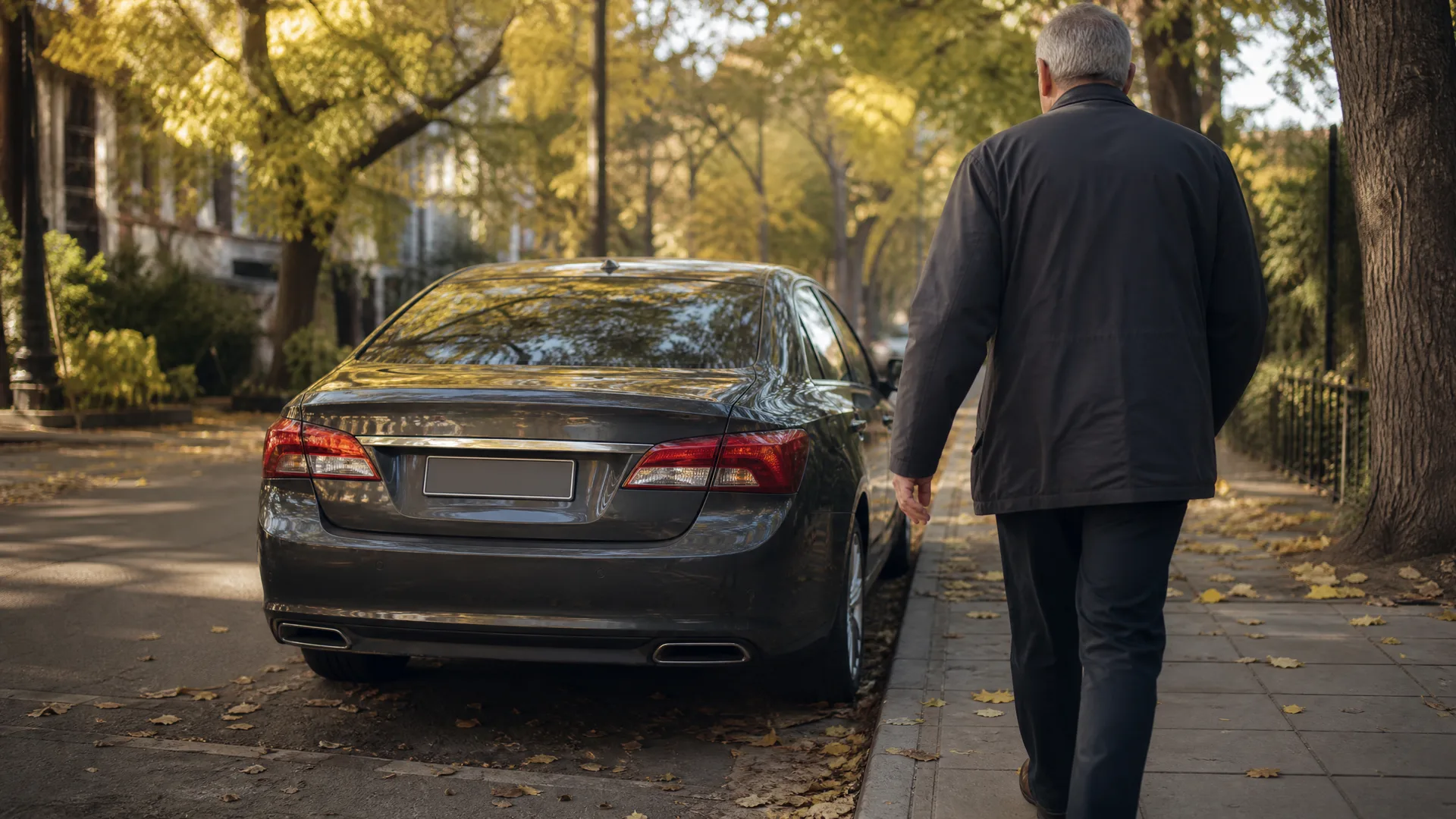
Pull out your current policy and find the section on permissive use or who is covered while driving your car. Call your insurer or agent and ask them directly how they'd handle a friend of your grandchild driving with your grandchild's permission. If that friend drives your car more than once in a while, ask whether they need to be added to the policy. Have a plain conversation with your grandchild about whether they're allowed to lend the car to anyone else, so there's no confusion later. Keep a note of what your insurer tells you, including the date and who you spoke with, in case you need it later.