What If My Grandchild Crashes My Car
Your policy usually covers the damage, but whether your grandchild was a listed driver and whether they had your permission both affect what happens next.
Your insurance is likely to respond, but the details matter
If your grandchild was driving your car with your permission, your policy typically covers the accident the same way it would if you'd been driving. Insurance follows the car, not just the driver, in most cases.
What changes the outcome is whether your grandchild should have been listed on your policy in the first place. If they live with you or drive your car regularly, your insurer may have expected you to add them. Finding out after a crash that they weren't listed can complicate a claim, even if it doesn't void it outright.
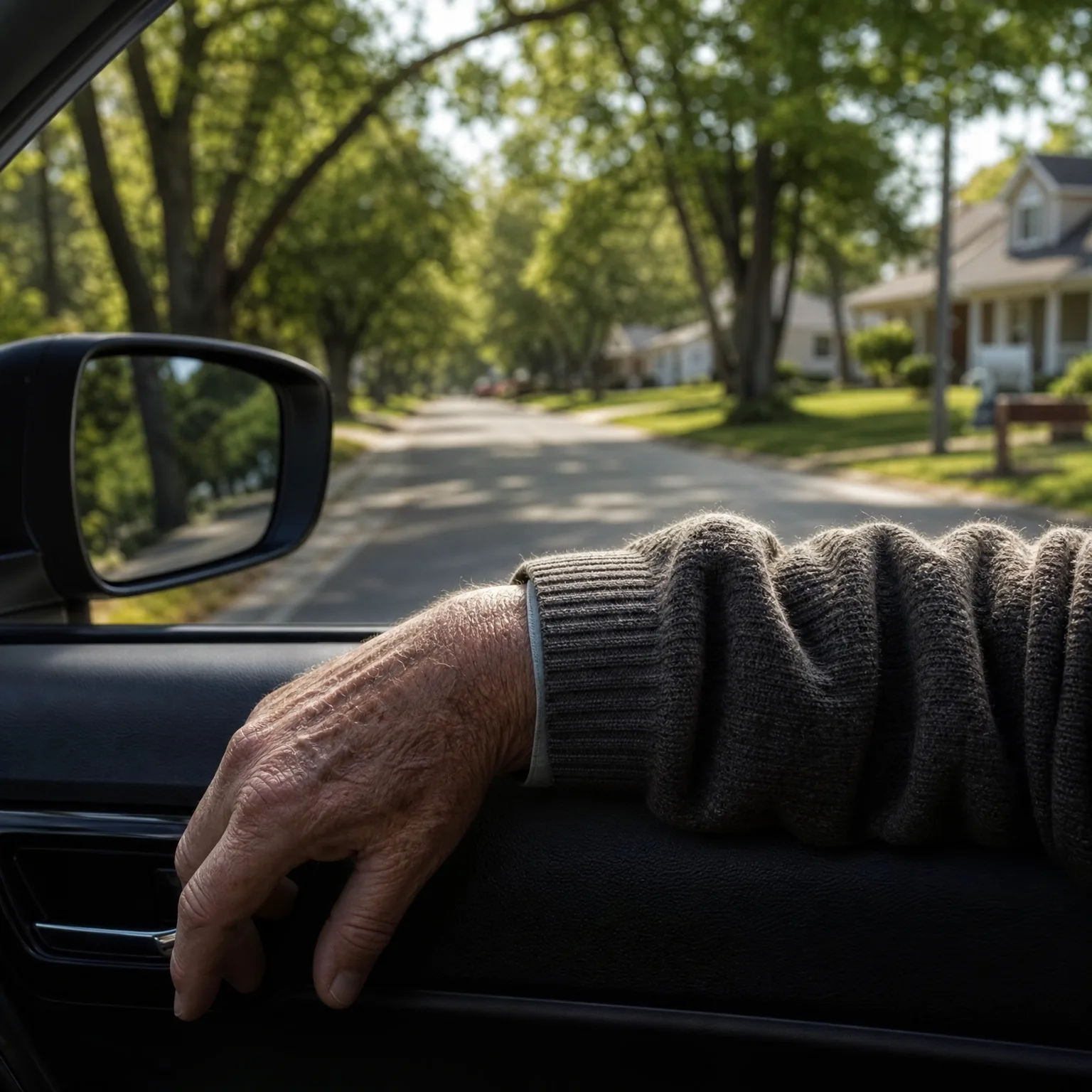
Whether your grandchild is a listed or excluded driver
Most insurers ask who lives in your household and who regularly drives your car. If your grandchild stays with you often or borrows your car on a regular basis, your insurer likely expected them to be listed on the policy.
An occasional, permitted use, like borrowing the car once while visiting, is usually treated differently from regular use. One trip home for a holiday is not the same as a grandchild who drives your car every week.
If your grandchild was never listed and never should have been, because they don't live with you and rarely drive your car, a single accident with your permission is usually still covered. The trouble comes when regular use was never reported.
Check your policy documents or call your insurer to ask how they define a household member or regular driver. That definition, not your own sense of how often is too often, is what decides this.
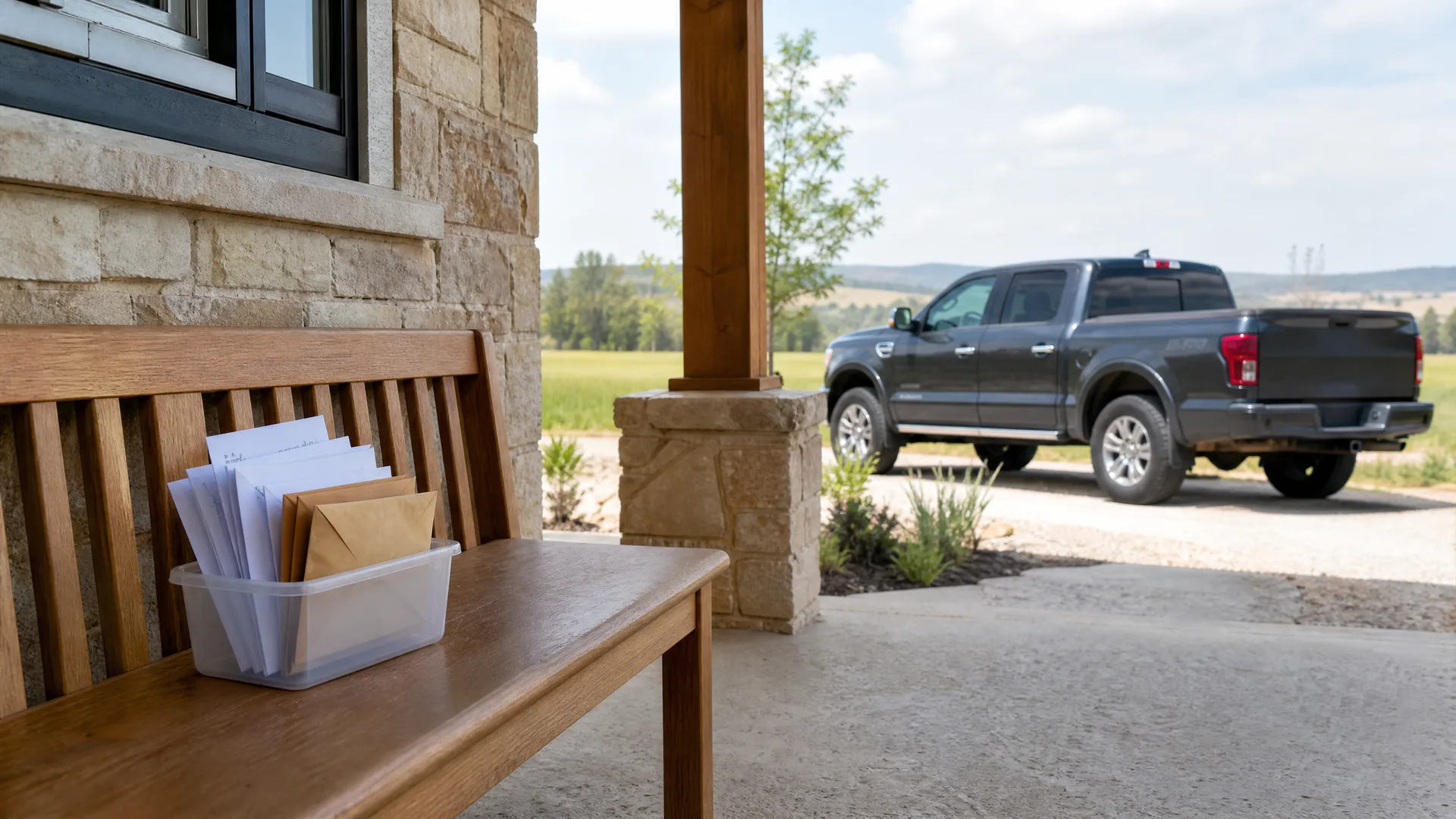
Whether your grandchild had your permission
Permission is central to how this plays out. If you handed over the keys or knew they were driving and didn't object, that counts as permission, even if you didn't say the words out loud.
If your grandchild took the car without asking, that's a different situation. Some policies still cover an unauthorized driver because the coverage is tied to the car, but your insurer may investigate before paying a claim, and your own rates could be affected differently than if you'd given permission.
It helps to think about how you'd answer if your insurer asked whether you knew your grandchild was driving that day. If the honest answer is yes, permission usually isn't in question.
If you're ever unsure whether letting your grandchild drive counts as giving permission under your policy's terms, ask your insurer directly before it becomes relevant.
Questions people ask about this
Will my rates go up if my grandchild crashes my car?
They might, since the claim is tied to your policy regardless of who was driving. Whether your rate actually increases depends on your insurer's rules about at-fault accidents and how they weigh a claim involving a non-listed driver. Ask your insurer how a claim like this would factor into your renewal.
Does my grandchild need their own insurance to drive my car?
Not necessarily, if they're driving occasionally and with your permission, since your policy generally extends to permitted drivers. If they drive your car regularly, your insurer may require them to be listed on your policy instead of relying on their own coverage, if they have any.
What if my grandchild doesn't live with me but drives my car sometimes?
This is usually treated as occasional permitted use, which most policies cover without requiring you to list them. The key question your insurer will ask is how often this happens, so keep in mind that frequent visits with frequent driving can shift how it's classified.
Can my insurer deny a claim because my grandchild wasn't listed?
It's possible if your insurer determines your grandchild should have been listed as a regular driver and wasn't. A single, occasional use is less likely to cause a denial than a pattern of regular driving that was never disclosed. Your insurer can tell you how they define regular use.
Should I add my grandchild to my policy before they visit?
If the visit is brief and the driving occasional, it's usually not required. If your grandchild will be driving your car often during an extended stay, ask your insurer whether that use needs to be reported, since insurers vary in how they handle extended or recurring access.
See how different insurers handle occasional and regular drivers before you decide what to report.
Pull out your current policy and check how it defines a household member or regular driver. Call your insurer and describe your actual situation, how often your grandchild drives your car and whether they live with you, and ask directly whether that use needs to be reported. If your grandchild will be staying with you for an extended period, have that timeframe ready when you call. Keep a note of who you spoke with and what they told you, in case the question comes up again later. If you're shopping for a new policy anyway, ask each insurer the same question so you can compare how they handle it.