How to Teach Parallel Parking
The skill comes from repeating the same small steps slowly, not from a single good explanation.
Start in an empty lot before you touch a real curb
Teach the maneuver in stages, in a space with no other cars and no pressure. Set up two cones or boxes the length of a parking space apart and have the new driver practice pulling in beside them, checking mirrors, and backing out, over and over, before ever parking against a real curb.
The goal at this stage isn't a perfect park. It's getting comfortable with how far the car swings, what the mirrors show, and when to turn the wheel. Once that feels automatic, move to a quiet street with real parked cars and a real curb.
Teach landmarks on the car, not a verbal script
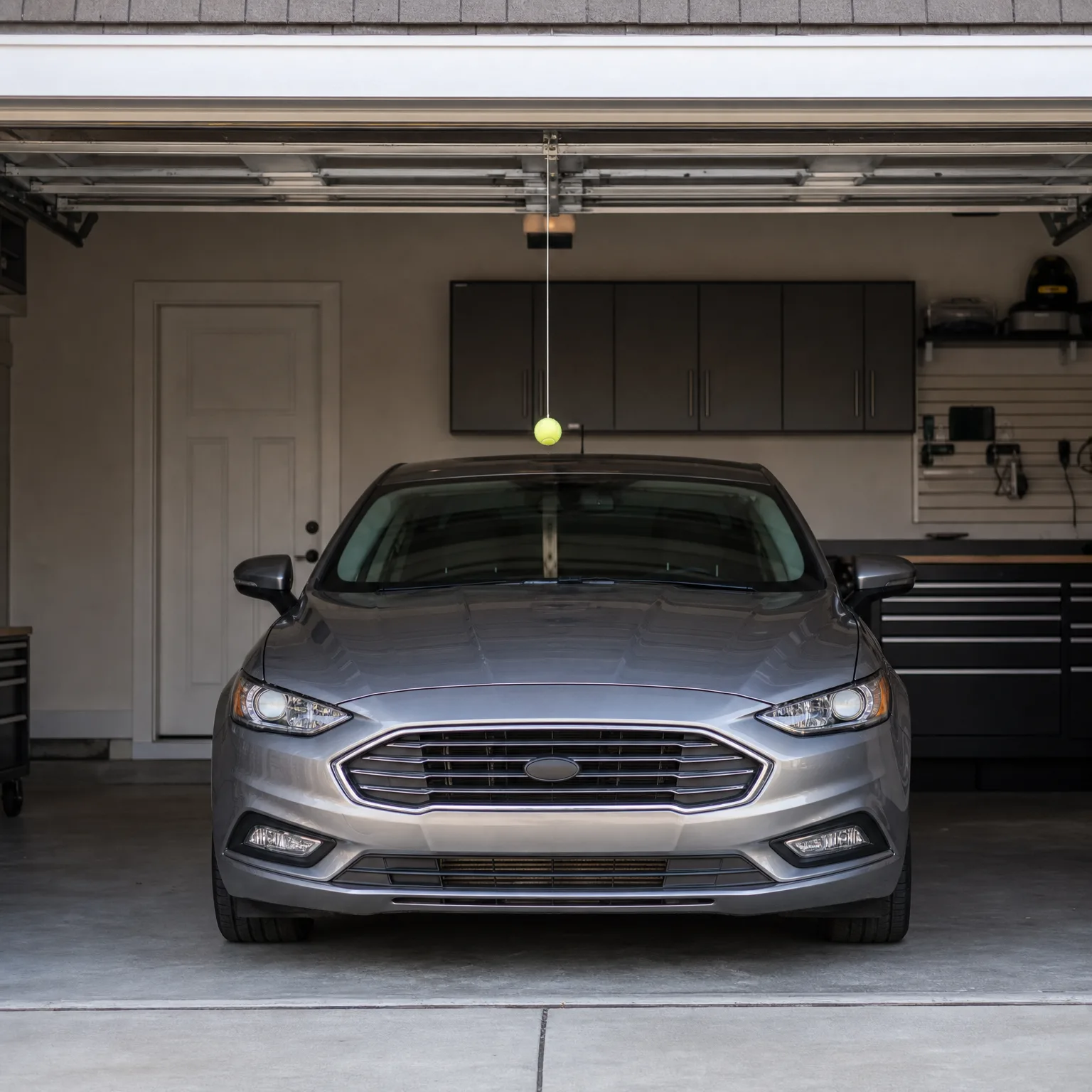
Parallel parking is easier to learn through fixed points on the car than through a string of instructions to remember in order. Show the driver where to line up their mirror or shoulder with the back car, where to watch the curb in the side mirror, and when to start turning the wheel based on what they see, not a count of seconds.
This matters because nerves make people forget sequences but not what they can see. A driver who's watching the actual gap and the actual curb can adjust if something's off. A driver repeating memorized steps has nothing to fall back on when the first attempt doesn't look like the practice run.
Let them stall out and correct mid-maneuver. Pulling forward and repositioning partway through is normal and most examiners allow it. Practicing that correction is part of the skill, not a sign something went wrong.
What most people get wrong teaching it
The most common mistake is teaching the maneuver only in open space with cones, then expecting it to transfer to a street with actual cars, actual traffic, and an actual curb height. Practice has to include the real version at some point, ideally several times, in a low traffic area.
The second mistake is rushing. A new driver going slowly has time to check mirrors, gauge distance, and correct course. A new driver going quickly makes the same mistakes faster and gets more rattled each time. Tell them there's no clock running during practice.
The third is correcting too much from the passenger seat. If the instructor calls out every adjustment, the driver never learns to judge the gap themselves. Let them misjudge it a few times in a safe spot and feel what too close or too far looks like before stepping in.
Questions people ask about this
How many hours of practice does it take to learn parallel parking?
It depends on the driver, and there's no fixed number that applies to everyone. Some drivers get comfortable after a handful of sessions, others need practice spread over several weeks. What matters more than total hours is practicing in short, calm sessions rather than one long frustrating one.
Is parallel parking still tested on the driving test?
Whether it's required depends on the state and sometimes on the test site, so check with your state's licensing agency or the office where the test will be given. Some states test it directly, others test an equivalent parking skill instead.
What size gap is realistic to practice with at first?
Start with a gap noticeably longer than the car and shrink it gradually as the driver gets comfortable. There's no need to practice tight spaces early on. Building the technique in a forgiving gap first means the driver isn't fighting the maneuver and the space at the same time.
Should I use cones or real parked cars to practice?
Both, but in that order. Cones let a new driver learn the motion without the stress of hitting something expensive. Real parked cars, approached slowly and with the driver aware they can stop anytime, teach the judgment that cones can't, since a cone doesn't look like a bumper in the mirror.
What should I do if my teen gets frustrated and wants to quit practicing?
Stop for the day rather than push through it. Frustration tends to make the next few attempts worse, not better, and it builds a negative association with the skill. A short break and a return to it another day, starting with an easier gap, usually works better than one long session.
Once the driving is handled, it's worth checking whether a new or returning driver changes what you're paying for coverage.
Pick a quiet residential street or an empty lot with two cones or boxes spaced out, and run the full sequence, pulling in and backing out, several times before moving to a real curb. Keep sessions short, ideally under half an hour, so frustration doesn't build. Once the real-curb version feels steady, check with your state's licensing agency or local test site about whether parallel parking is part of the actual road test, since this varies by state. If your teen is close to getting licensed, it's also a good time to ask your insurer how adding a new driver will affect your policy, so there are no surprises on the next renewal notice.