How to Teach Someone to Drive in a Parking Lot
Start in an empty lot with the basics of steering and braking before adding speed, other cars, or real traffic.
Start with a wide, empty lot and simple tasks
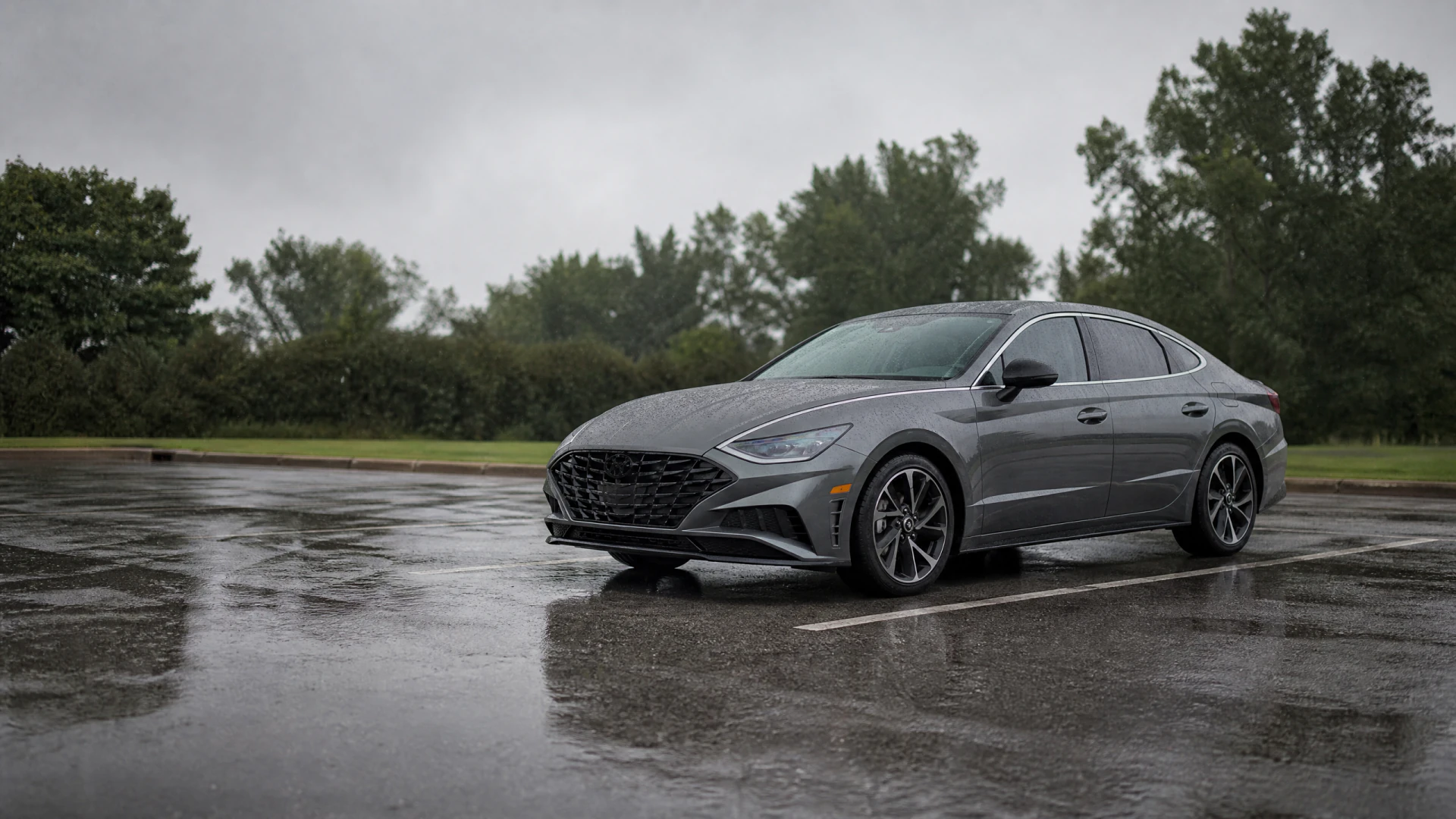
Pick a lot with no cars and no pedestrians, like a closed school lot on a weekend or a church lot on a weekday. Have the new driver practice starting, stopping, and steering in a straight line before you ask for anything harder.
A parking lot works because it removes the things that make a new driver nervous. No one is behind them, no one is merging, and a mistake just means stopping and starting over. That lets them build the physical habits, where the brake is, how the car responds to the wheel, before they have to think about anyone else on the road.
What the lot is for and when it stops being enough
A parking lot teaches car control. It does not teach traffic judgment, because there's no traffic to judge. Use it for the skills that don't depend on other drivers: smooth braking, turning the wheel the right amount, backing up in a straight line, parking between two lines.
Once those feel automatic, the lot has done its job. A new driver who can already stop smoothly and turn without over-correcting is ready to practice those same skills on a quiet residential street, where they'll also have to watch for stop signs, parked cars, and other drivers. Staying in the lot too long just delays the part that actually teaches them to drive around other people.
A good order is slow and straight first, then turns, then backing up, then parking between lines last. Each one builds on the last, and rushing to parking before the basics are solid usually just means more stalling and more frustration for both of you.
What goes wrong even with an empty lot
The most common mistake is sitting in the passenger seat giving instructions a half second too late. A new driver needs a little quiet to feel what the car is doing. Jumping in with constant correction teaches them to wait for your voice instead of watching the car and the space around it.
The other common mistake is picking a lot that isn't actually empty. A grocery store lot on a Saturday has carts, pedestrians, and other cars backing out, which defeats the purpose. Look for a lot that's genuinely closed or empty: a school on a weekend, a stadium lot on a weekday, a church lot outside of service hours.
It also helps to end each session on something that went well. A new driver who stalls out trying something too hard right before you quit for the day will remember that more than the hour of steady progress before it.
Questions people ask about this
What age should a teen start practicing in a parking lot?
This depends on your state's learner's permit rules, since a teen generally needs a permit before practicing anywhere, including a parking lot. Check with your state's licensing agency for the minimum age and what supervision it requires.
How long should parking lot practice last before moving to the street?
There's no set number of sessions, it depends on how comfortable the new driver is with basic control. A good sign is that they can start, stop, and turn smoothly without you coaching every move, and that they're not anxious before you've even left the lot.
Can a learner's permit be used to practice in a parking lot?
In most states yes, a permit covers practicing anywhere a licensed supervising driver is present, including a private lot. Confirm this with your state's licensing agency, since some states have rules about where and when a permit holder can drive.
What car is best for teaching a new driver in a parking lot?
A smaller car with good visibility is usually easier for a new driver to judge than a large SUV or truck. It also helps if it's a car you don't mind getting a few scrapes on while they're still learning distances.
Does practicing in a parking lot affect a teen driver's insurance rate?
Practice itself doesn't get reported to an insurer, but once a new driver is licensed, adding them to a policy usually does change the rate. Ask your insurer when a learner's permit or a new license needs to be reported and how each one is handled.
Once they're licensed, see how adding a new driver changes what you pay.
Pick a lot that's genuinely empty, like a school or church lot outside its busy hours, and bring both your license and the permit if one is required. Start with straight-line driving and stopping before asking for turns or parking, and keep each session short enough that it ends on a good note. Once starting, stopping, and steering feel automatic, move to a quiet residential street for the next stage. Check your state's permit rules for any requirements on supervision or hours, and ask your insurer when you'll need to add the new driver to your policy.