How to Stay Calm Teaching a Teen to Drive
Staying calm comes less from patience and more from having a plan before you get in the car.
Structure helps more than patience does
You stay calmer by deciding what you're practicing before you start the car, not by trying to control your reaction in the moment. A parking lot session has a different purpose than a highway merge, and knowing which one you're doing keeps small mistakes from feeling like emergencies.
Most of the tension comes from uncertainty about what's supposed to happen next. When you set one goal for the drive, braking distance, lane position, whatever it is, you have something to watch for instead of reacting to everything at once.
What you say in the moment matters more than how you feel
A teen driver reads your voice before they read your words. A sharp tone registers as danger even when the situation is minor, and that makes them more likely to overcorrect or freeze.
Giving directions early, before the turn or the merge, gives them time to respond instead of react. Saying it after they've already missed the moment turns a normal correction into a startle.
If you notice you're bracing or gripping the door, that tension carries into your voice whether you mean it to or not. Some parents do better handing off certain drives, like highway merging, to a driving instructor or the other parent, and save their own calmer moments for lower-stress practice.
None of this is about getting it right every time. A tense comment on one drive doesn't undo the ones that went well.
What you're practicing changes what calm looks like
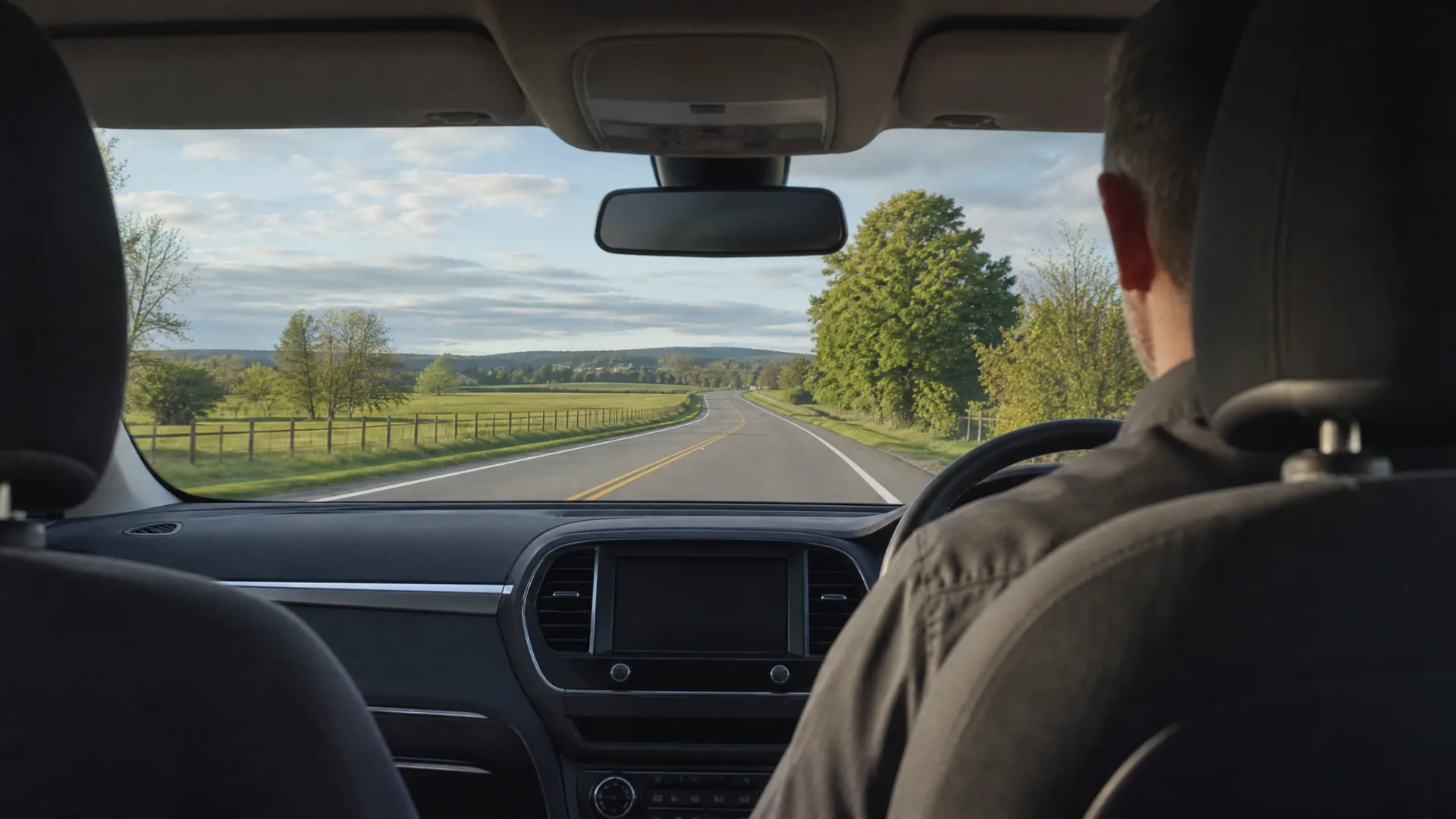
Early practice in an empty lot asks for patience with slow, repetitive mistakes. Highway or night driving later asks for quiet and quick, clear instruction instead.
Trying to teach too many things in one drive is a common source of tension. Picking one skill, like checking mirrors before changing lanes, and leaving everything else alone for that session, keeps both of you focused on the same thing.
Some teens do better with short, frequent drives rather than long sessions. If a drive is going badly, ending it early isn't a failure. It's often what makes the next one go better.
A formal driving course alongside your own practice can take some of the higher-pressure teaching off your plate, since an instructor isn't carrying the same emotional stake in how the drive goes.
Questions people ask about this
How many hours should a teen practice before getting a license?
The number of required practice hours is set by the state, not by any general rule. Check your state's graduated licensing requirements, usually through the DMV, to see what's required and what counts as logged practice.
Should I add my teen to my car insurance before they start driving lessons?
Most insurers want to know a teen is learning to drive, even before they're licensed, so it's worth calling your insurer to ask how they handle it. Some treat a permit differently than a full license, and this varies by company.
What should I do if my teen panics or freezes while driving?
Staying calm yourself and giving one simple instruction, like 'brake gently,' helps more than explaining what went wrong in the moment. Save the explanation for after the car is stopped, when they can actually take it in.
Is it better to teach a teen to drive myself or hire an instructor?
Many families do both, using an instructor for higher-stress skills like highway merging and handling everyday practice themselves. Check what your state requires, since some graduated licensing programs count instructor hours differently than parent-supervised hours.
How do I know when my teen is ready to drive alone?
Readiness shows up as consistency across different conditions, not just comfort on a familiar route. Ask your teen to drive somewhere new, in traffic, and if they handle it smoothly without heavy guidance from you, that's a better sign than confidence alone.
Once your teen is logging real hours behind the wheel, it's worth seeing how that changes what you're paying.
Call your insurer this week and ask how they want to know about a new teen driver, whether that's at the permit stage or once they're licensed. Ask what documents they'll want, like a completed driver's education certificate, and whether being added early or late makes a difference. While you're at it, check your state's DMV site for the exact practice hour requirements and any supervised driving log they want filled out. Keep that log current as you go, since some states ask for it at the licensing appointment itself.