Car Insurance for Grandparents in Utah
Age by itself doesn't set the price. Your driving record, your coverage, and how you shop for it do.
Yes, grandparents in Utah can get affordable coverage, but age isn't what decides it
Insurers in Utah don't set your rate because you're a grandparent or because you've hit a certain birthday. They look at your driving record, the car you drive, how much you drive, and the coverage you choose. Plenty of older drivers pay less than they did at thirty because decades of clean driving count for something.
What changes things is any shift that comes with age: driving less often, a new health condition that affects a license renewal, or a car that's older and worth less. None of that is automatic. It depends on your record and your situation, so the honest answer is that your own history matters more than your age does.

Your driving record still carries the most weight
A long history without accidents or violations is the single biggest reason an older driver in Utah pays a reasonable rate. Insurers reward that history regardless of age. If your record from the last several years is clean, say so when you compare quotes, because it's the strongest thing you have.
If you've had a recent accident or a ticket, that will affect your rate the same way it would for any driver. Age doesn't offset it and doesn't excuse it either.
Some Utah insurers also look at how long you've been continuously insured. If you've carried coverage without a lapse for years, mention that too. A lapse, even an old one, can sometimes outweigh a clean record if an insurer asks about it.
If your license is up for renewal and Utah requires a vision test or anything else at your age, passing it and renewing on time keeps your insurance straightforward. A lapsed or restricted license can complicate a policy in ways a clean one never does.
How much and how you drive now matters more than it used to
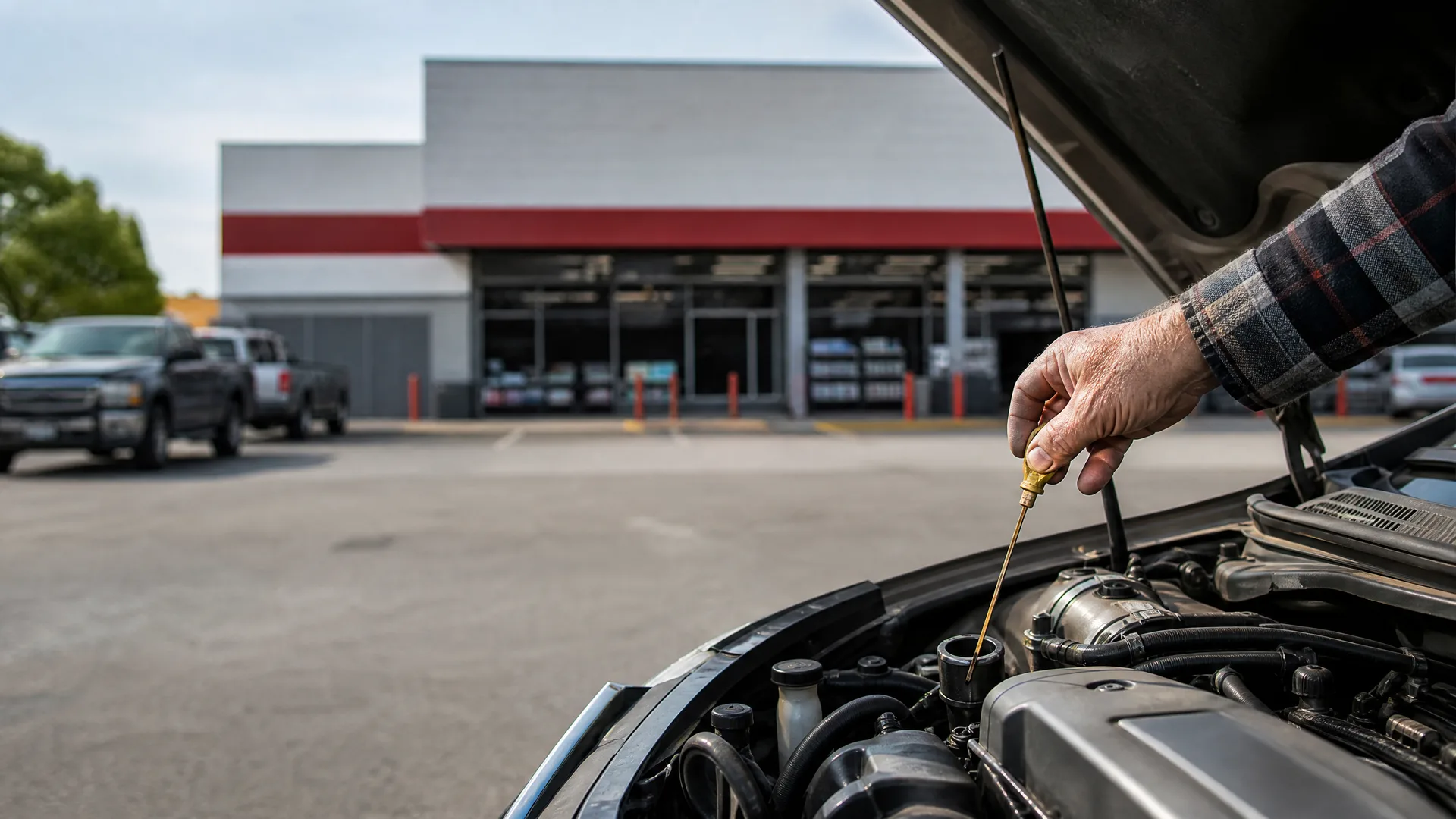
Many grandparents drive less than they did years ago, and some insurers in Utah offer lower rates to drivers who log fewer miles. If your driving has dropped off, whether it's work, errands, or just days you stay home, it's worth asking your insurer whether that lowers your premium. Not every insurer asks, so you may need to bring it up yourself.
The car matters too. If you're driving an older, fully paid-off vehicle, you may not need full coverage at all. Dropping collision or comprehensive on a car worth very little can lower your premium, though it also means you'd cover any damage to that car yourself.
Some insurers offer a discount for completing an approved defensive driving or mature driver course. Utah doesn't require this, but if you take one, you usually have to send the completion certificate to your insurer yourself. The course alone doesn't change anything until they have it on file.
If you're insuring a car that's mainly driven by a grandchild or another family member, tell your insurer who the primary driver actually is. Misstating that can cause problems later, including at claim time.
Questions people ask about this
Does my car insurance go up when I turn a certain age in Utah?
Not automatically. Utah law doesn't set an age at which your premium rises, and insurers price you based on your driving record and circumstances, not a birthday. If your rate changes around a certain age, ask your insurer what specifically triggered it.
Can I stay on my own policy if my license has a restriction, like daytime-only driving?
Yes, a license restriction doesn't remove your insurance, but you need to tell your insurer about it. Driving outside a restriction you didn't disclose can affect a claim. Ask your insurer how they treat a restricted license on a policy.
Should grandparents in Utah be listed on a grandchild's policy instead of having their own?
That depends on who owns the car and who drives it most. If a grandparent owns the car but a grandchild drives it regularly, the insurer needs to know who the primary driver is. Ask your insurer how they want the policy set up given who actually drives the car.
Will my rate drop if I stop driving regularly but keep my license and car insured?
It can, if your insurer offers a lower-mileage rate, but you have to tell them your driving has changed. Insurers don't automatically lower your premium when your habits shift. Call and ask what they need from you to reflect it.
What happens to my car insurance if I move in with family or to a senior living community in Utah?
Your rate can change because insurers price partly by where the car is garaged. A new address, even within Utah, may put you in a different rating area. Tell your insurer when you move so your policy reflects the right address.
See what Utah insurers would actually charge based on your record, not your age.
Pull up your current policy and your driving record for the last several years before you start comparing. Note your annual mileage now, especially if it has dropped, and have your vehicle's details on hand, including whether it's paid off. If you've taken a defensive driving course, find the certificate, since you'll need to send it to whichever insurer you choose. Then get quotes from a few Utah insurers and ask each one directly how they treat your age, your mileage, and your driving history, since the answer isn't the same company to company.