Car Insurance for Grandparents in Texas
Age alone doesn't set the price. Your record, your car, and the discounts you actually claim do.
Grandparents can usually find fair rates, but age isn't the deciding factor
A grandparent in Texas isn't charged more just for being older. Insurers look at the driving record first. A clean record with no recent claims or tickets usually keeps the rate reasonable no matter how old the driver is.
What does change things is how insurers treat drivers past a certain point differently from middle-aged drivers. Some companies price older drivers a little higher on the assumption that reaction time slows with age. Others offer discounts for mature drivers who complete a defensive driving course. The difference between insurers on this point can be large, which is exactly why it's worth comparing more than one.
Your driving record still matters more than your birth year
Insurers in Texas set rates mostly on what a driver has actually done behind the wheel. A grandparent with decades of clean driving and no recent accidents or tickets is a better risk on paper than a younger driver with a recent claim, and the pricing usually reflects that.
If there's been a recent accident, even a minor one, expect the rate to reflect it for a while. That applies at any age. The record resets slowly, not quickly.
If health or vision changes have come up at a license renewal, it's worth asking the insurer directly whether that affects the policy. Some insurers ask about this, some don't, and it varies by company rather than by any fixed rule.
A Texas driver's license renewal for older drivers sometimes comes with a vision test or a shorter renewal period. That's a DMV matter, separate from the insurance policy, but it's worth checking current requirements with the Texas DMV directly since they can change.
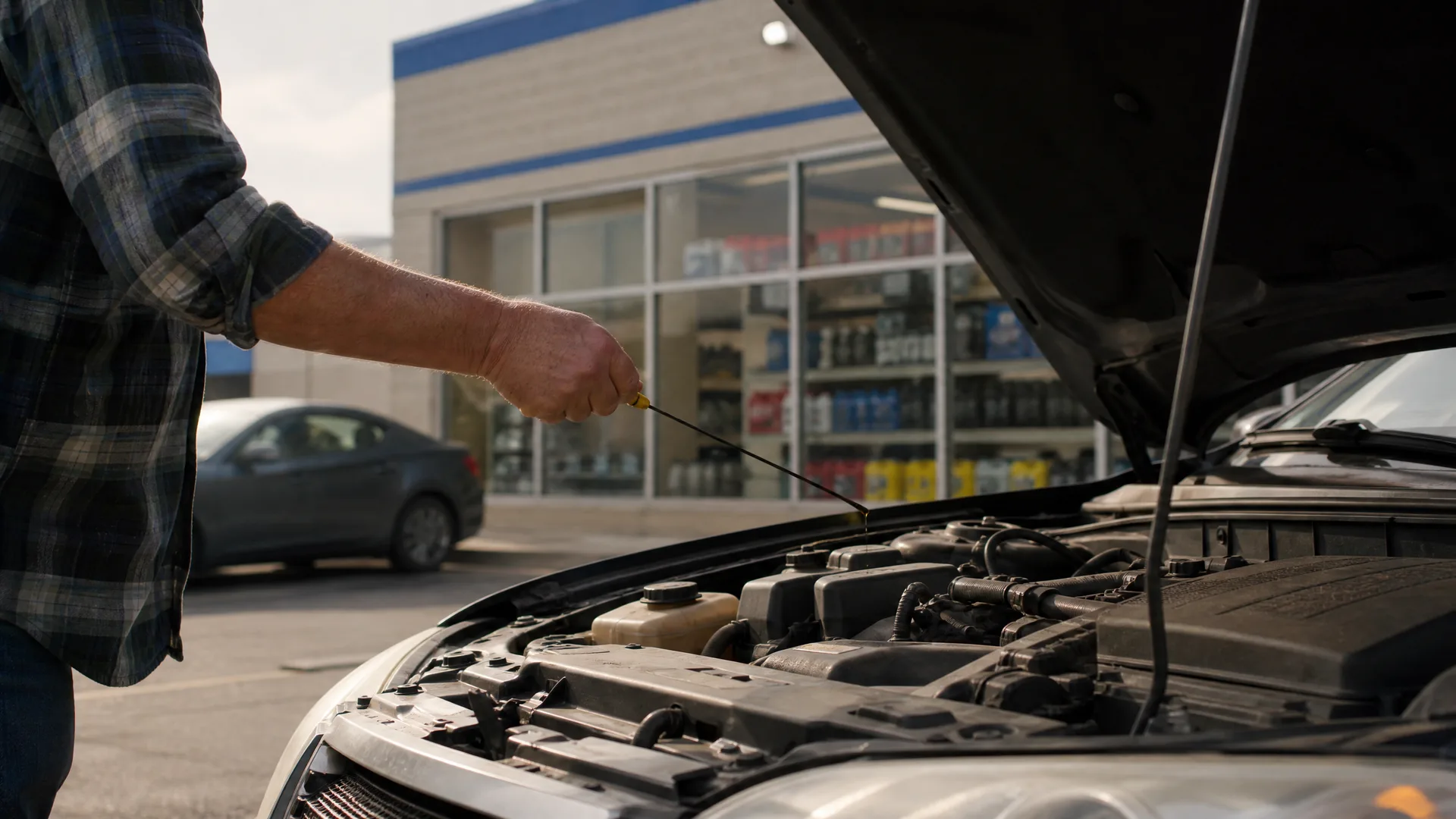
The mature driver discount depends on actually sending in the paperwork
Many insurers offer a discount for completing a mature driver or defensive driving course. The course itself doesn't lower anything automatically. The insurer needs the completion certificate sent to them, usually added to the policy file, before the discount shows up on a bill.
Not every insurer offers this discount, and the ones that do don't all value it the same way. It's worth asking a current insurer directly whether they offer it and what the course needs to cover to qualify.
Bundling home and auto, or insuring more than one car on the same policy, is another discount that isn't tied to age but that grandparents are often well positioned to use since many have paid off a mortgage or own their home outright.
If a grandchild or other young driver has been added to the household policy, that can raise the premium substantially since young drivers are priced much higher. It's worth checking whether a separate policy for that driver makes more sense.
Questions people ask about this
Does adding a grandchild as a driver raise my insurance?
Yes, if a grandchild drives the car regularly or lives in the household, most insurers expect them listed on the policy, and young drivers raise the premium significantly. Check with the insurer about how they define a regular driver versus an occasional one, since that distinction affects whether the grandchild needs to be listed at all.
Can my insurance company drop me for being too old?
An insurer generally can't cancel a policy based solely on age, but they can decline to renew or adjust pricing based on driving record, including any new tickets or accidents. If a renewal notice shows a nonrenewal rather than a price change, ask the insurer directly for the reason in writing.
Do I need a vision test to renew my Texas driver's license as a senior?
Texas requires vision screening at license renewal for drivers past a certain age, and the renewal period itself may be shorter than for younger drivers. The exact age thresholds and requirements are set by the Texas DMV, so confirm current rules directly with them before a renewal is due.
Should grandparents carry more liability coverage than the state minimum?
Minimum liability coverage is often not enough to protect savings or a home in a serious accident, which is worth considering regardless of age. This is a personal finance question more than an age question, so it's worth discussing with an agent what level of coverage matches what there is to protect.
Will my premium go down once I retire and drive less?
Many insurers offer a lower rate for reduced annual mileage, but this isn't automatic. The insurer needs to know the new mileage estimate, so it's worth calling after retirement to update the policy rather than assuming the rate adjusts on its own.
See how a few different insurers price your situation before you renew.

Pull out the most recent renewal notice and check what it lists for driving record, mileage, and any discounts already applied. Call the current insurer and ask directly whether a mature driver or defensive driving course discount is available, and what the course needs to include. If a grandchild drives the car regularly, ask how the insurer defines a listed driver versus an occasional one, since that changes the premium. Separately, check the Texas DMV's current renewal requirements for older drivers, since vision screening rules and renewal periods are set by the state and can change. Then compare quotes from a few insurers, since how they price age and driving history varies company to company.