Car Insurance for Grandparents in Oklahoma
Age alone doesn't set the price. Your driving record, your car, and the discounts you ask for do most of the work.
It depends more on your record than your birthday
There's no special grandparent policy in Oklahoma, and getting older doesn't raise your rate by itself. What insurers look at is how you drive now: your record, how much you drive, and the car you drive it in. A grandparent with a clean record and a paid-off sedan often pays less than a younger driver, not more.
What can change the number is the same thing that changes it for anyone: a recent claim, a lapse in coverage, or a car that costs more to repair. Oklahoma also lets insurers set their own rules about older drivers, so one company's view of your age might differ from another's. That's a reason to compare more than one quote rather than assume your current insurer has the best price for where you are now.

Your driving record still decides the most
Insurers price the person, not the age bracket. A long clean record is worth more to them than a long time on the road. If you haven't had a ticket or a claim in years, say so when you get quotes, because some insurers ask directly and others pull your record and find it on their own.
If your eyesight, reaction time, or health has changed, that matters more to an insurer than your age does. Some states require a vision test or more frequent renewal at a certain age. Oklahoma's rule on this is set by the state, so check with the Oklahoma Department of Public Safety for what applies to your license renewal, separate from your insurance.
A defensive driving course can lower your premium with some insurers. It usually doesn't happen automatically. You take the course, you get a certificate, and you send that certificate to your insurer yourself. If you took one recently and never sent it in, that's worth doing before you renew.
How much you drive now changes what you need
Retirement often means fewer miles, and fewer miles is something insurers can price for. If you're not commuting anymore, ask whether your insurer offers a lower rate for lower annual mileage, and give them an honest estimate rather than your old commuting number.
The car itself matters too. If you've moved to a car with a lower repair cost, or added safety features like automatic braking, that can lower your premium. If you're insuring a car mainly for occasional trips or visits to grandchildren, say that plainly when you get quotes, since some insurers have different pricing for a car that isn't driven daily.
If you're on a fixed income, it's worth asking about bundling your auto policy with home or renters insurance, and asking directly whether you qualify for any senior or long-term customer discount. Not every insurer offers the same ones, so the only way to know is to ask each one you're comparing.
Questions people ask about this
does car insurance go up after age 65?
Not automatically. Some insurers adjust rates around certain ages based on their own claims data, but it isn't a universal rule and it isn't set by Oklahoma law. If your rate goes up at renewal, ask your insurer what changed, your record, the car, or their pricing in general, rather than assuming it's your age.
can an insurance company drop you for being too old?
An insurer can choose not to renew a policy, but age by itself usually isn't the stated reason. More often it follows a claim, a lapse, or a change in your driving record. If you're ever notified of a non-renewal, ask the insurer directly what prompted it, since you're entitled to know.
do I need a vision test to renew my license in Oklahoma?
Oklahoma sets its own rules for license renewal, including whether a vision test is required and how often. Check directly with the Oklahoma Department of Public Safety, since this is separate from anything your auto insurer requires.
should I add my grandchild to my car insurance policy?
That depends on whether they drive your car regularly and what your insurer requires. If a grandchild uses your vehicle often, most insurers want them listed on the policy. Ask your insurer how they define regular use, since the threshold isn't the same everywhere.
is it worth switching insurers after retirement?
It can be, since your driving habits and mileage may have changed enough to affect your rate. The only way to know is to compare quotes based on your current situation rather than assume your existing policy still reflects how you drive now.
See how your record and your current driving habits compare across insurers before you renew.
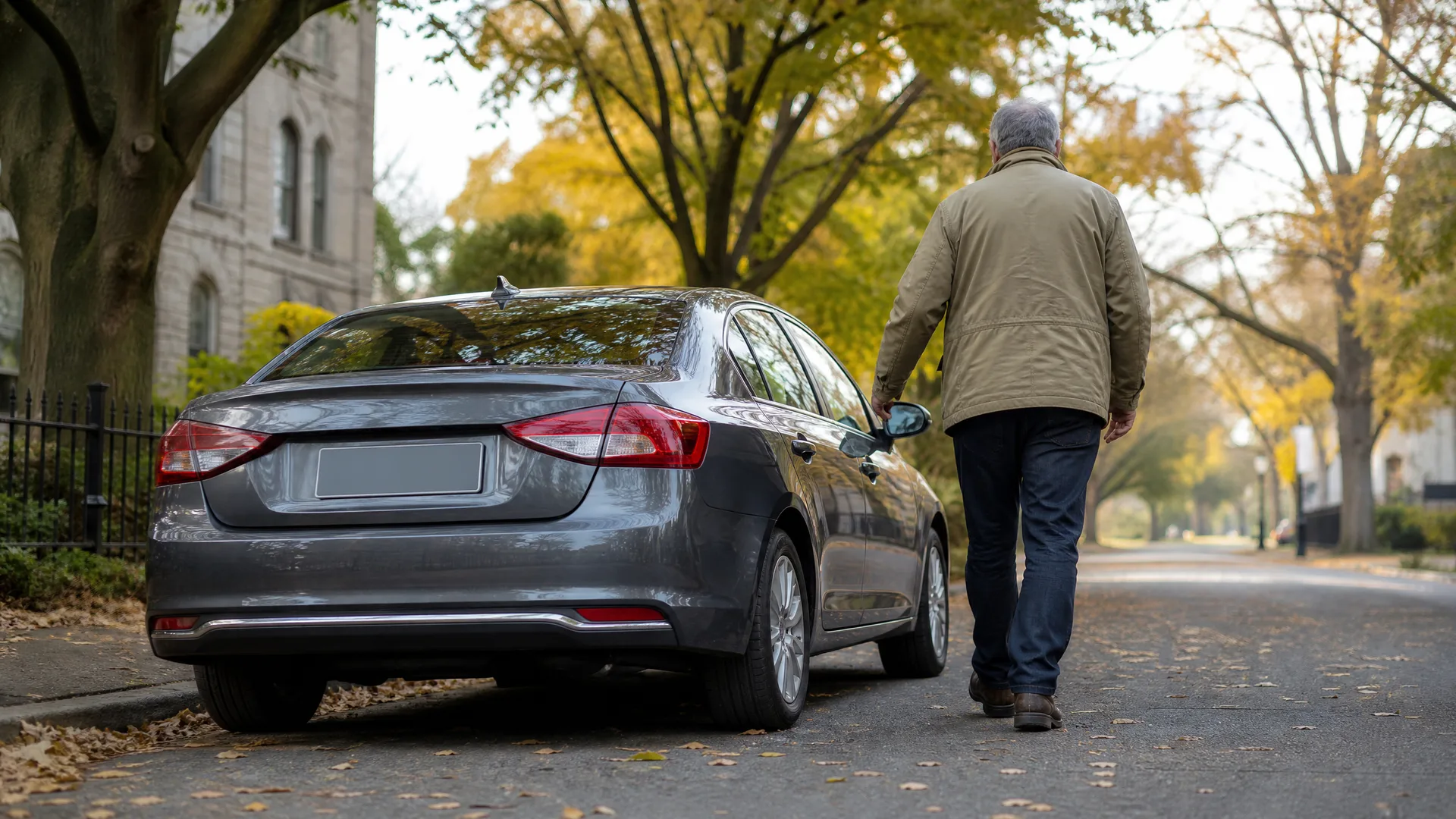
Pull out your renewal notice and check what it lists for your mileage and any discounts currently applied. If you've taken a defensive driving course, find the certificate and send it to your insurer if you haven't already. Call your current insurer and ask directly what senior, low-mileage, or bundling discounts they offer, since these aren't always advertised. Then compare that quote against a couple of others to see where you actually stand. If anything about your license renewal is unclear, that question goes to the Oklahoma Department of Public Safety, not your insurance company.