Car Insurance for Grandparents in North Dakota
Age by itself doesn't set your rate in North Dakota. Your driving record, your car, and the insurer you choose matter more.
Yes, grandparents can get car insurance in North Dakota, and age alone won't block it
Every licensed driver in North Dakota can buy car insurance, and there's no age that locks you out of coverage. What changes is the rate, and that depends on your driving record, the car you drive, and which insurer you ask.
Some insurers price older drivers higher because of how claims trend for that age group. Others don't, or they weigh other things more heavily, like a clean record or a car with good safety ratings. That's why the same grandparent can get very different quotes from different companies.
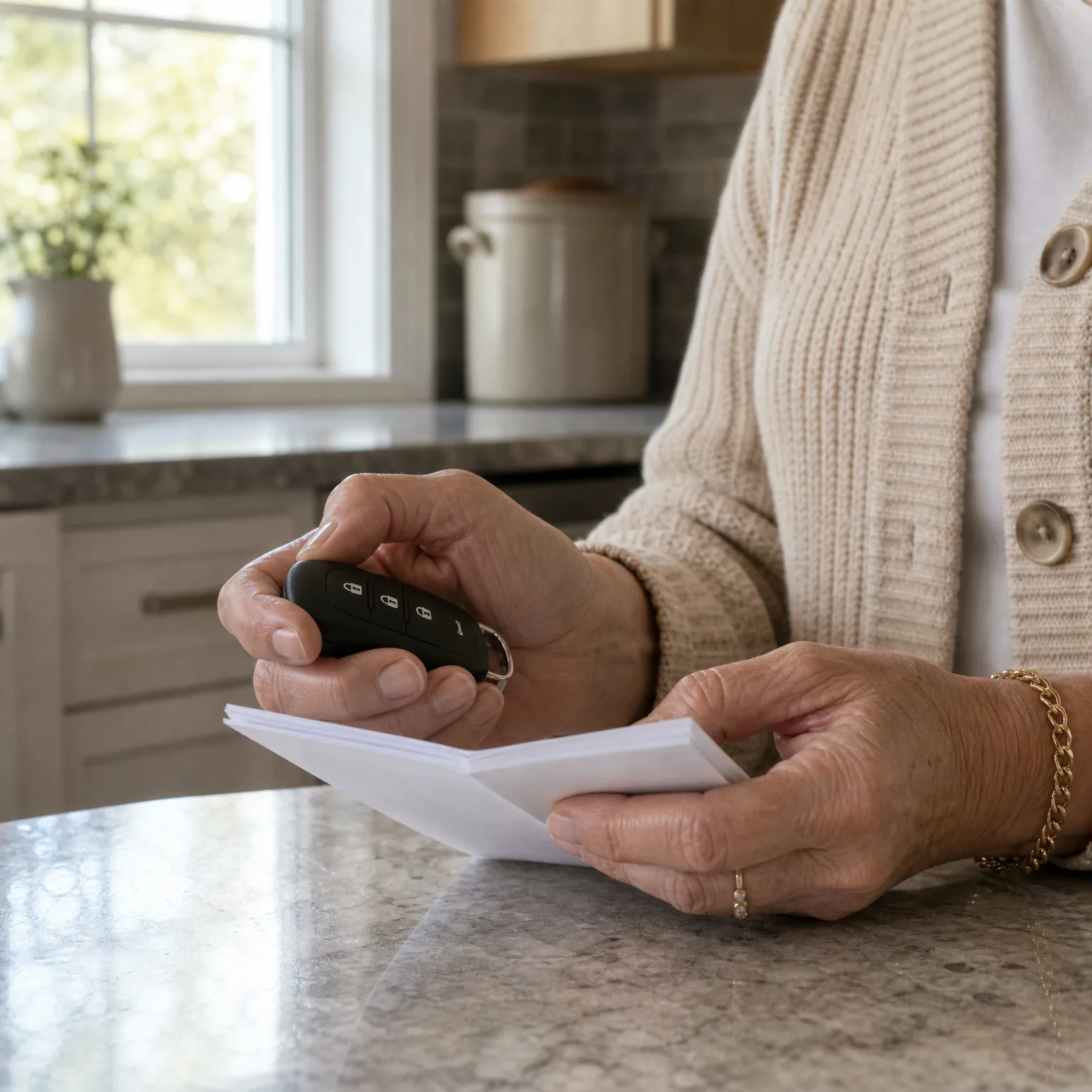
Your driving record still carries the most weight
A clean record is worth more to your rate than your age is against you. Insurers look at tickets, accidents, and claims from recent years, and a long history of safe driving tends to offset whatever an insurer's age tables say.
If you haven't had a violation or a claim in years, say so when you ask for quotes and make sure it shows up correctly on the report the insurer pulls. Mistakes on your record happen, and they can raise what you're quoted without you knowing why.
If your eyesight, reaction time, or health has changed, some insurers ask about that directly, others don't ask at all. North Dakota doesn't require a specific test or form for this, so it comes down to what each insurer asks on their application.
A defensive driving course can help with your rate at some insurers. Ask whether completing one lowers your premium, and if it does, ask what you need to send them. The course alone doesn't do anything, the insurer has to receive proof of it.
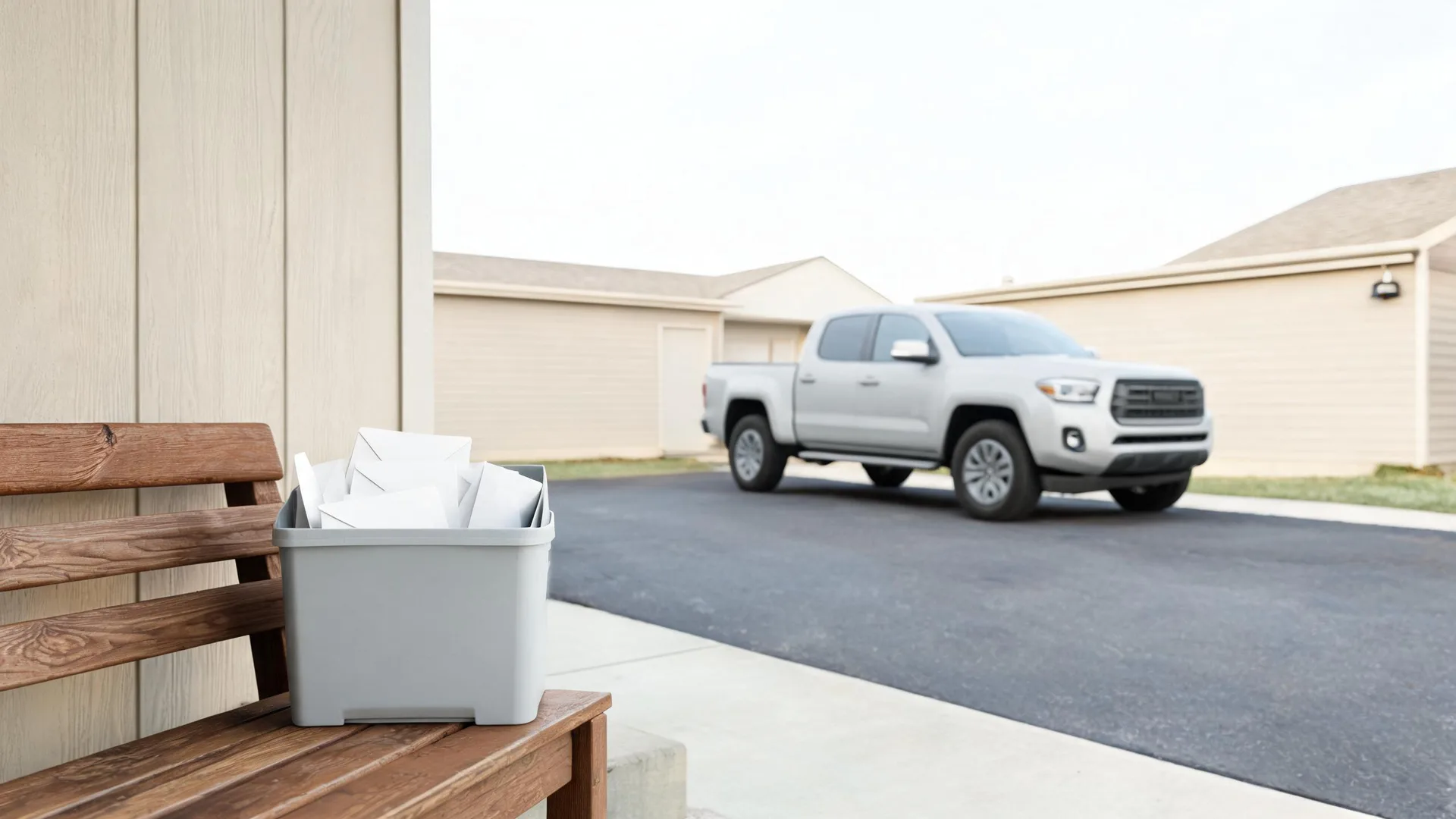
What you drive and how you're insured changes the quote as much as your age does
An older, paid-off car usually costs less to insure than a newer one, partly because there's less value to replace and partly because some insurers drop collision or comprehensive coverage once a car's value gets low enough that it's not worth carrying. Ask your insurer what that car is actually worth to insure before you assume you need full coverage.
If you drive less than you used to, ask whether the insurer offers a lower rate for low mileage. Some do, and it can matter for a driver who's retired and not commuting anymore.
Bundling your car insurance with a homeowners or renters policy, if you have one, often brings the per-policy cost down. It's worth asking your insurer directly rather than assuming you already have the lowest rate available.
If you're on a fixed income, ask each insurer about payment plans and whether paying in full gets you a different rate than paying monthly. This varies by company, so it's worth asking rather than guessing.
Questions people ask about this
Does car insurance go up automatically at a certain age in North Dakota?
No single age triggers an automatic increase under North Dakota law. Rate changes tied to age come from each insurer's own pricing, not a state rule, so it varies by company. Ask your insurer directly how they handle age-related pricing and at what points, if any, they reassess it.
Can my insurer drop me just for being older?
An insurer can choose not to renew a policy, but age by itself isn't a reason North Dakota allows for that. Nonrenewal is usually tied to things like claims history or a change in risk the insurer can point to. If you get a nonrenewal notice, ask the insurer in writing what the reason was.
Will my rate go down if I stop driving as much after retirement?
It can, if your insurer offers a lower-mileage rate and you update them on how much you actually drive now. This isn't automatic. You need to tell your insurer your mileage has changed and ask whether it affects your premium.
Should I drop collision coverage on an older car?
That depends on what the car is worth and what you'd get back if it were totaled. Ask your insurer for the car's current insured value, then weigh that against what you're paying for collision and comprehensive each year. There's no rule that says you must drop it, it's a decision based on the numbers for your specific car.
Can I stay on a joint policy with my spouse if one of us stops driving entirely?
In most cases yes, but how the insurer rates the policy may change if one driver is marked as non-operating. Ask your insurer how they handle a household with one active driver and one who no longer drives, since this is handled differently company to company.
See what North Dakota insurers actually quote for your situation before you renew at whatever rate you were given.
Pull your current policy and your most recent driving record so you know exactly what's on file. Call your insurer and ask directly how they price drivers your age, whether a defensive driving course would lower your premium, and what proof they need if it does. Ask about mileage-based discounts if you're driving less than before, and ask what your car is currently valued at to decide whether to keep full coverage. Then get quotes from a few other insurers using the same details, since pricing for the same driver and car can differ company to company. Bring any discount, like bundling with a home or renters policy, into that conversation as well.