Car Insurance for Grandparents in New Hampshire
Your age alone doesn't set your rate in New Hampshire. Your driving record, your car, and your insurer's own rules matter more.
Yes, but age is only part of the price
New Hampshire doesn't require car insurance the way most states do, but almost every driver carries it anyway, including grandparents, because the financial responsibility rules still apply if you're in an accident. For an older driver, the policy itself works the same as it does for anyone else. What changes is how the insurer looks at your record and your driving habits.
Some insurers raise rates as drivers get older, reasoning that reaction time and vision change with age. Others don't, or they offset it with discounts for a clean record or lower mileage. There's no single answer for what a grandparent in New Hampshire will pay, because each insurer sets its own rules. That's exactly why it's worth checking more than one.

Your driving record still matters most
Whatever your age, insurers look first at your record. A clean history of no accidents and no tickets counts for more than birthdays. If you've driven for decades without a claim, say so when you get quotes, because some insurers reward that directly with a discount.
If you've had a recent accident or a ticket, expect that to affect your rate more than your age does. New Hampshire insurers can look back several years into your driving history, so a lapse a while back may still show up. Ask your current insurer how far back they look and whether anything on your record is about to drop off.
If you're helping a parent manage their insurance, pull their current policy and see what it lists for violations or claims. Mistakes on that record, like a ticket that was dismissed but never removed, can cost more than age ever will.
How much you drive changes the math
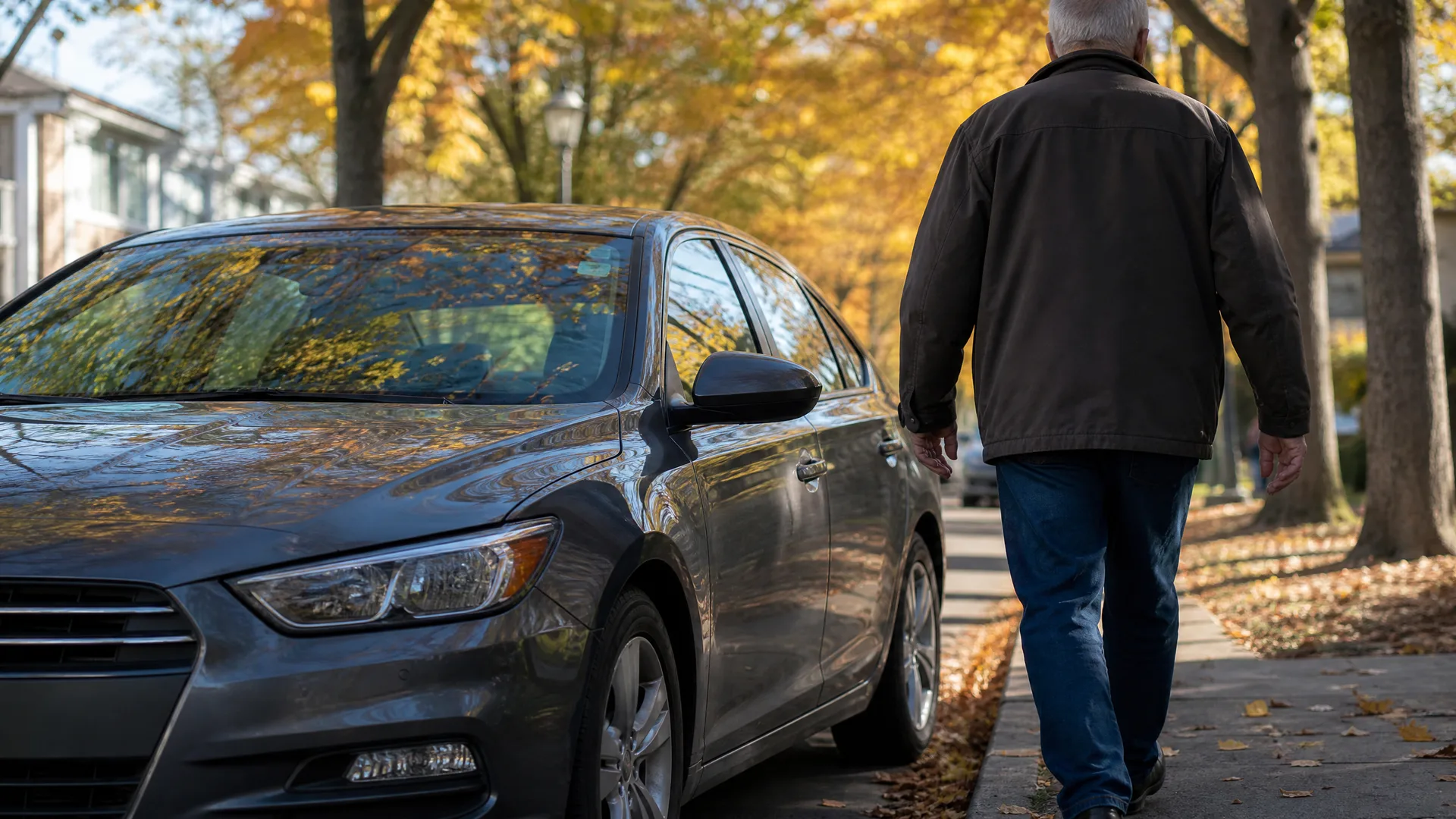
Many grandparents drive less than they used to, no daily commute, fewer long trips. That matters to insurers because less time on the road means less chance of a claim. Ask whether your insurer offers a lower-mileage discount, and ask how they verify mileage, since some use an odometer check and others ask you to estimate.
The car itself matters too. An older, paid-off car usually costs less to insure than a newer one, partly because comprehensive and collision coverage cost less to insure on a car worth less. If you're only carrying liability on an older car, say so when comparing quotes, since that changes the number significantly.
If you've taken a defensive driving or mature driver course, ask your insurer directly whether it qualifies for a discount in New Hampshire, and what they need from you to apply it. The course by itself does nothing. You have to send the certificate and ask them to apply it to your policy.
Questions people ask about this
Does car insurance go up automatically at a certain age?
No single age triggers an automatic increase everywhere. Some insurers adjust rates for older drivers based on actuarial data, others don't, and the rules vary by company. Ask your insurer directly how they treat age in their pricing.
Can an insurer drop a grandparent for being too old to drive safely?
An insurer can decline to renew a policy or raise rates based on your driving record, but age by itself isn't usually the deciding factor. If your license itself is in question, that's a matter for the New Hampshire DMV, not your insurance company.
Is there a senior discount for car insurance in New Hampshire?
Some insurers offer discounts tied to completing a mature driver course or to lower annual mileage, but there's no statewide senior discount required by law. Ask each insurer you're comparing what they offer and what you need to qualify.
Should grandparents still carry full coverage on an older car?
That depends on what the car is worth and what you'd lose if it were totaled. If the car's value is low, comprehensive and collision coverage may cost more over time than the payout would be worth. Ask your insurer for the car's current value to help decide.
Does adding a grandchild as a driver raise a grandparent's rate?
Adding any driver, especially a younger one, usually changes the rate on a policy, since insurers price the policy around everyone who drives the car. Ask your insurer how they'd rate the policy with that driver added before you make the change.
See how different insurers price your situation before you decide anything.

Pull your current policy and your driving record so you know exactly what's on file. Call your insurer and ask how they factor in age, mileage, and any completed driving courses. If you've taken a mature driver course, send them the certificate directly and confirm they've applied any discount. Then compare quotes from a few other insurers using the same details, since New Hampshire doesn't require insurers to price age the same way. If you're managing this for a parent, do this together so you both know what's being asked and why.