Car Insurance for Grandparents in Michigan
Age alone doesn't set your rate in Michigan. Your driving record, your coverage choices, and how your policy is set up matter more.
Yes, and it can often work out well for an older driver
Grandparents in Michigan can get car insurance, and many get competitive rates, because insurers weigh driving record and history more heavily than age by itself. A long, clean record with decades of experience behind it tends to work in your favor.
What changes things is any recent change in health, a lapse in coverage, or a shift in how often you drive. Michigan also has its own rules around auto insurance that differ from other states, so what applies to a grandparent in Ohio or Florida may not apply here. The honest answer depends on your specific record and how your insurer treats it, which is worth confirming directly.
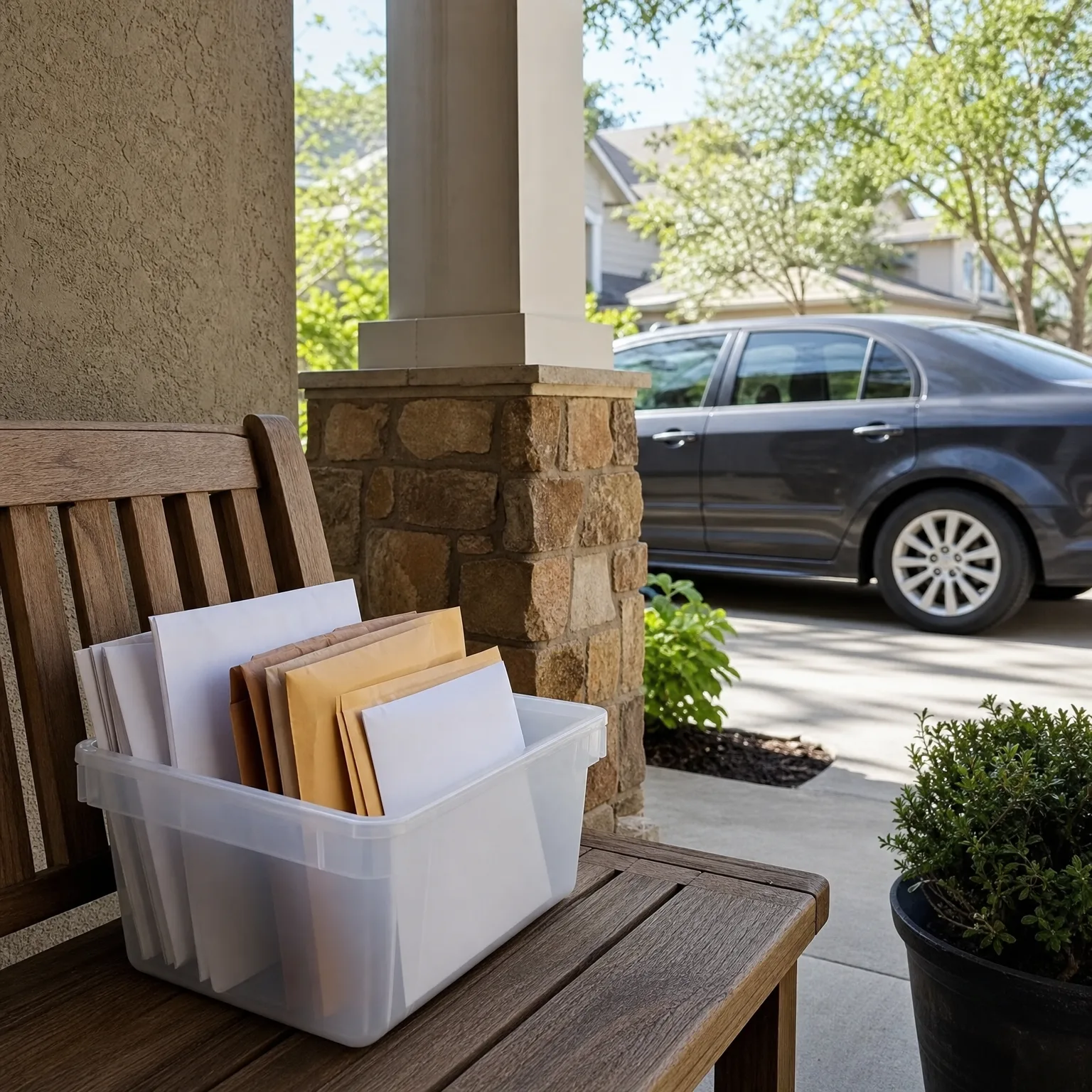
Your driving record matters more than your birthday
Insurers in Michigan look at your history first. Tickets, accidents, and claims from the last several years carry more weight than the fact that you've been driving for a long time. A grandparent with a clean record for the past stretch of years is often treated the same as any other driver with that record, regardless of age.
If you've had a recent accident or a ticket, expect that to show up in your rate the same way it would for anyone else. It doesn't matter that you've driven safely for decades before that. Insurers weigh recent history more than long-ago history.
If your record is clean, ask your insurer whether you qualify for any safe-driver standing or loyalty consideration. Some insurers track how long you've held a policy with them, separate from your driving history, and that can work in your favor too.
If you're not sure what's on your record, you can request a copy of your driving history from the Michigan Secretary of State. It's worth checking before you shop for a new policy, since a mistake on the record could be costing you.
How your policy is structured can matter as much as your age
Michigan requires personal injury protection as part of auto insurance, and the choices you make about that coverage affect your premium directly. Since Michigan changed its no-fault law, drivers can choose different levels of PIP coverage, and the right choice depends on your health insurance, your Medicare coverage if you have it, and how much you want your auto policy to cover versus your health plan.
If you're on Medicare, you may be able to choose a lower level of PIP coverage, since Medicare can cover some of what PIP would otherwise cover. Whether that applies to you and how it affects your rate is something to ask your insurer or agent directly, since it depends on your specific Medicare coverage and the insurer's own rules.
Also check whether you're listed as the primary driver on your vehicle or as an occasional driver on a policy with others in the household. If a car is used mostly by a grandchild or another family member, how the policy lists the primary driver can change the premium more than who actually owns the car.
Questions people ask about this
Do grandparents pay more for car insurance than other adults?
Not automatically. Insurers set rates mainly on driving record, how much you drive, and coverage choices. Age by itself isn't usually the deciding factor, though some insurers do look at it alongside health and driving history. Ask your insurer how they weigh age specifically, since that varies by company.
Can a grandparent add a grandchild to their car insurance policy?
Yes, this is something insurers handle regularly, though how it affects the premium depends on the grandchild's age, driving record, and how often they'd use the car. Ask your insurer whether adding a grandchild as a listed driver or an occasional driver changes the rate differently.
Does Medicare affect car insurance requirements in Michigan?
It can affect which level of PIP coverage you're eligible to choose, since Michigan's no-fault law allows some drivers with other qualifying health coverage to select reduced PIP coverage on their auto policy. Confirm with your insurer whether your specific Medicare coverage qualifies, since the rules are specific.
What happens to car insurance if a grandparent stops driving regularly?
Your policy doesn't automatically change just because you drive less. Tell your insurer if your driving habits change significantly, since some offer lower rates for lower annual mileage. This isn't automatic. You have to report it and ask.
Should a grandparent get a separate policy for an older car used occasionally?
It depends on how the car is used and by whom. A car driven occasionally by a grandchild or kept mainly for errands may cost less to insure on its own policy than added to a policy built around a primary driver. Ask your insurer to compare both ways before deciding.
See how your driving record and coverage choices compare across Michigan insurers.
Pull your driving record from the Michigan Secretary of State so you know exactly what an insurer will see. Have your current policy in hand, including your PIP coverage level, and check whether you have Medicare or other health coverage that might let you adjust it. Call your current insurer and ask directly how they weigh age, driving record, and PIP choices for your situation. Then compare that against quotes from a couple of other insurers before you renew, since the same record can be priced differently from one company to the next.