Car Insurance for Grandparents in Kentucky
Age alone doesn't set your rate in Kentucky. Your record, your coverage, and how you shop for it matter more.
Yes, but age isn't the main factor
Grandparents in Kentucky can get car insurance, and plenty of insurers want their business. A long driving record with no recent claims is worth more to an insurer than a birthday ever will be.
What actually moves your rate is your driving history, the car you drive, and how much coverage you carry. Some insurers also weigh how often you drive, since a retired driver who covers fewer miles each year can look like a lower risk. None of this is guaranteed by your age. It comes down to what you can show them.
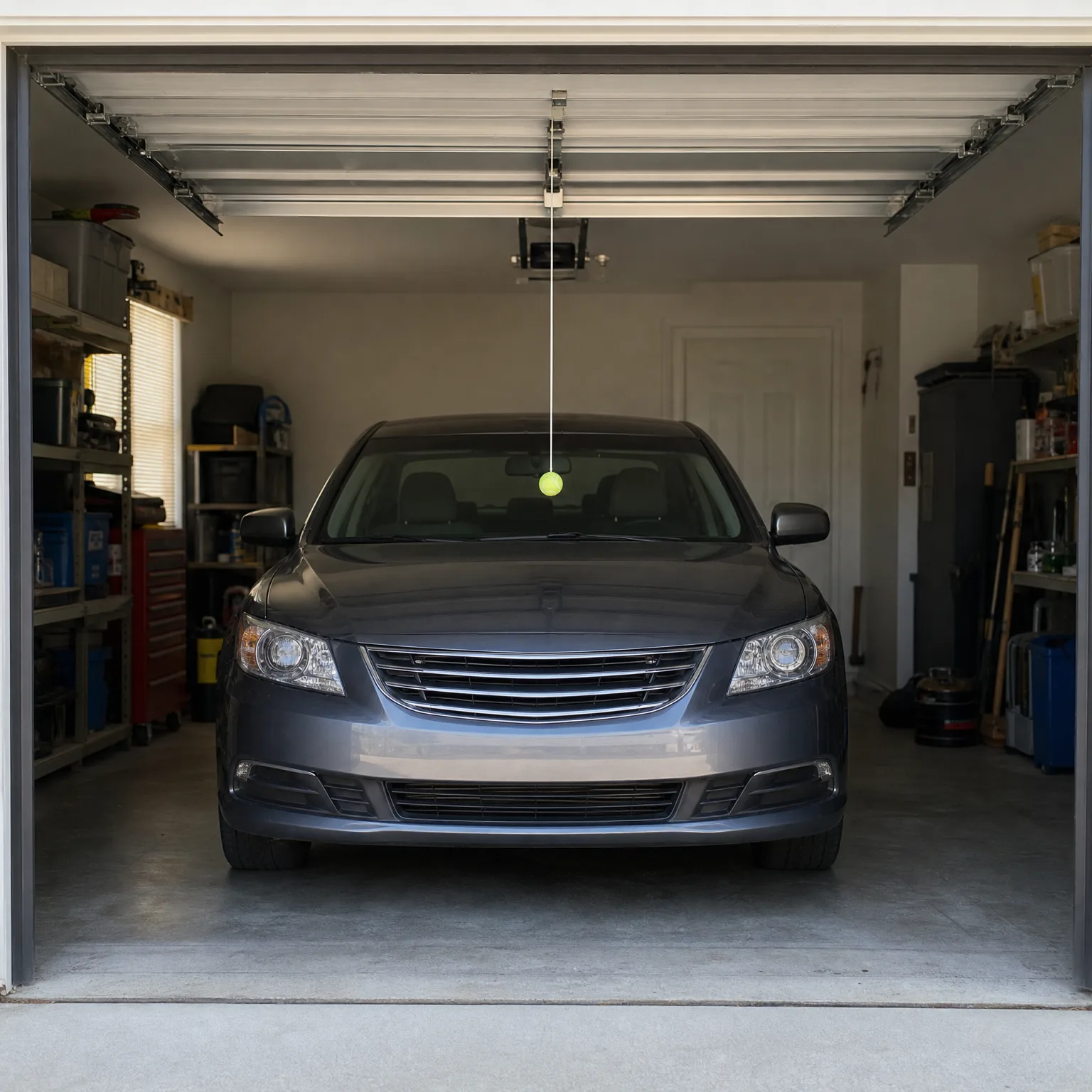
Your driving record decides more than your age does
Insurers price a policy around risk, and your record is the clearest evidence they have of yours. A grandparent with decades of clean driving usually gets a better rate than a younger driver with a recent ticket or claim, regardless of who's older.
If you haven't had a violation or an at-fault claim in several years, say so when you shop. Some insurers ask directly, others pull your record themselves, but either way, a clean history is worth bringing up rather than assuming they'll find it.
If your vision or reflexes have changed, or if a doctor has raised a concern, that matters more to an insurer than your age does. Kentucky's DMV sets its own rules about vision tests and license renewal for older drivers, so check with them directly about what applies to you.
A defensive driving course can also help. Not every insurer offers a discount for one, and the ones that do often require you to send them the certificate yourself. Ask your insurer directly whether they offer this and what they need from you.

How you use the car changes what you pay
Many grandparents drive less than they used to, whether that's because they're retired, because they only drive locally, or because they share a car with a spouse. Lower mileage can mean a lower rate, but only if your insurer knows about it.
Tell your insurer how you actually use the car. If you drive occasionally to visit grandchildren or run errands rather than commuting daily, that's worth mentioning, since some insurers offer lower rates for lower annual mileage.
The car itself matters too. An older, paid-off car may not need full coverage the way a financed or leased one does. Dropping collision or comprehensive on an older car can lower your premium, though it also means you'd cover repair or replacement costs yourself if something happens.
If you're insuring multiple cars, or if a grandchild is sometimes behind the wheel of your car, tell your insurer that too. Who drives the car and how often changes the risk they're pricing, and leaving it out can cause problems later if you ever file a claim.
Questions people ask about this
Does my car insurance go up as I get older in Kentucky?
It depends on your insurer and your personal situation, not on age by itself. Some insurers review rates differently for older drivers, especially if a renewal follows a change in health, vision, or driving frequency. The clearest way to know is to ask your insurer directly what triggers a rate review on your policy.
Can I stay on my own policy if I stop driving regularly?
Yes, you can usually keep a policy even if you drive much less than before. Tell your insurer your mileage has dropped, since many offer lower rates for lower annual mileage. If you've stopped driving entirely, ask whether a non-owner or reduced-use policy makes more sense than keeping full coverage.
Should grandparents add a grandchild as a driver on their policy?
This depends on how often the grandchild drives the car and what your insurer requires. Most insurers ask you to list anyone who regularly drives your vehicle, including grandchildren living with you or borrowing the car often. Ask your insurer where they draw that line, since it varies by company.
Will a medical condition affect my car insurance rate?
It can, but only if it affects your driving ability or your license status. Insurers generally don't ask about health directly, but a condition that leads to license restrictions or a DMV review could affect your coverage options. Check with Kentucky's DMV about any reporting requirements tied to a diagnosis.
Is it worth shopping around for insurance after retirement?
Yes, since your driving habits and needs often change after retirement, and your current insurer may not reflect that in your rate. Comparing quotes lets you see whether lower mileage, a paid-off car, or a clean record are being credited elsewhere. It costs nothing to check what else is available.
See what other insurers would charge for your situation before your next renewal.

Pull your current policy and your most recent driving record before you do anything else. Note your annual mileage, whether your car is paid off, and whether you've completed a defensive driving course. Call your current insurer and ask directly how your age, mileage, or any health changes affect your rate. Then compare quotes from a few other insurers using the same details, since coverage that fits a retired driver in Kentucky isn't the same at every company. If a quote looks better, ask what it would take to switch and whether any discount requires paperwork on your part.