Car Insurance for Grandparents in Florida
Age alone doesn't set the price. Your driving record, your car, and the discounts you actually claim matter more.
It depends more on your record than your age
There's no special policy called grandparent car insurance. Florida insurers price a policy based on the driver and the car, and age is only one piece of that. A grandparent with a clean record and an older car often pays less than a younger driver, not more.
What moves the price for an older driver in Florida is the same as for anyone else: your driving history, the car you insure, how much coverage you carry, and which discounts you qualify for and actually claim. Some of those discounts exist specifically for drivers past a certain age, but you have to ask your insurer or agent what applies.

Your driving record and any recent changes to it
Insurers look back several years at tickets and claims, not just your age. A long clean record works in your favor no matter how old you are.
If your driving has changed lately, fewer miles because you're not commuting, a shorter trip to see grandkids instead of a long drive to work, tell your insurer. Some companies adjust the rate for lower annual mileage, but only if you report it.
If you've had a recent claim or a lapse in coverage, that will affect the quote more than your birthday will. Ask your agent directly how a specific incident on your record is being weighed.
A mature driver course is worth asking about too. In Florida, completing one can qualify you for a discount, but you usually have to send the certificate to your insurer yourself. Finishing the course isn't enough on its own.

What you're covering, and whether it still fits your situation
Many grandparents are driving an older paid-off car, sometimes less often than before. That changes what kind of coverage makes sense.
If the car is older and worth less, carrying full collision and comprehensive coverage may cost more than it would pay out if the car were totaled. Ask your insurer what the car is valued at and compare that to what you're paying for that part of the coverage.
If you're insuring a car that a grandchild also drives occasionally, say if they're visiting for a summer, tell your insurer that too. Who is listed as a driver on the policy affects the rate, and leaving someone off who regularly drives the car can cause problems later with a claim.
Florida requires certain minimum coverages, but minimums aren't always enough to protect your savings if you're at fault in a serious accident. It's worth asking your agent whether your liability limits still make sense given what you have to lose.
Questions people ask about this
Does Florida require a vision test for older drivers renewing a license?
Florida does require vision screening for license renewal at a certain age, but the exact age and how often it applies is set by the state. Check with the Florida Department of Highway Safety and Motor Vehicles for the current rule rather than assuming it hasn't changed.
Will my insurance go up if I fail a vision test or have my license restricted?
A restricted license, such as one limited to daytime driving, can affect your rate because it reflects how and when you're allowed to drive. Ask your insurer directly how a restriction on your license is factored into your policy, since this varies by company.
Can I stay on my own policy if I move in with my adult child?
It depends on your insurer and the state each of you lives in. Moving to a new address, especially a new state, can change your rate and may require a new policy entirely. Tell your insurer before you move so there's no gap or mismatch between your address and your coverage.
Is it cheaper to be added to my child's policy instead of keeping my own?
It depends on both drivers' records, the cars involved, and the insurer's rules about household policies. Ask for a quote both ways, as an added driver and as a separate policy, before deciding, since the cheaper option isn't the same for every family.
What happens to my car insurance if I stop driving but still own the car?
You can usually keep a car insured even if you're not driving it often, but dropping to a very minimal policy or canceling coverage entirely has tradeoffs. Ask your insurer what coverage makes sense for a car that's rarely driven versus one that's parked for long stretches.
See what a policy built around your actual driving and your actual car would cost.
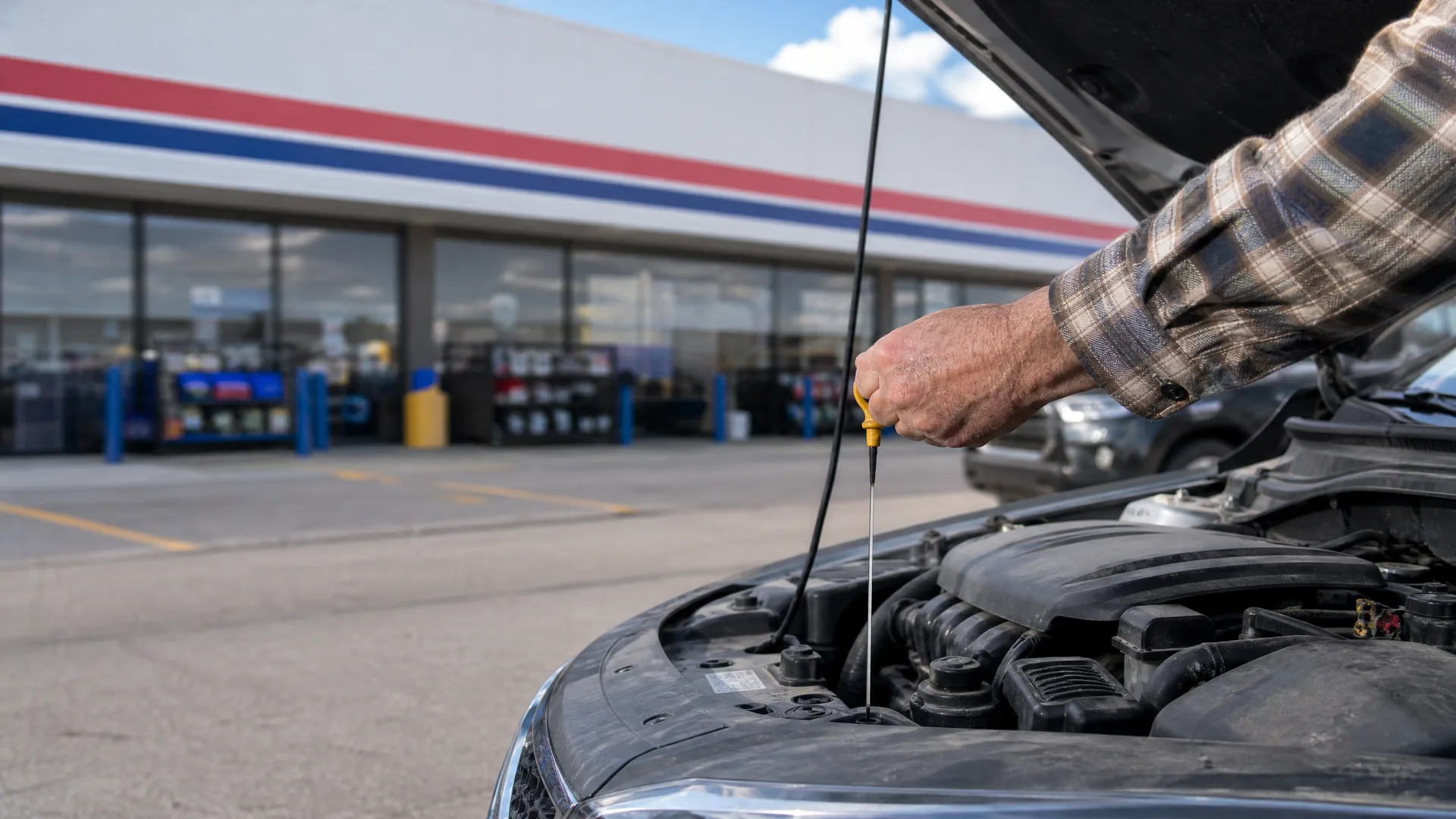
Pull your current renewal notice and your driving record before you call anyone. Ask your insurer specifically about a mature driver course discount, a low mileage discount, and whether your liability limits still match what you have to protect. If you're insuring an older car, ask what it's valued at and whether full coverage still makes sense. Then compare that quote against at least one other insurer, since discounts for older drivers aren't applied the same way everywhere. Have your license number and vehicle information ready so the comparison is accurate.}