Car Insurance for Grandparents in Alaska
Age alone doesn't set the price. Your driving record, your coverage choices, and your insurer matter more.
It depends on the driver, not the birthday
There's no special policy called grandparent insurance. An older driver in Alaska buys the same auto coverage as anyone else, and the price comes from the usual things: driving record, how much the car is driven, where it's garaged, and what coverage is chosen.
Some insurers do look favorably on older drivers because the data shows fewer claims in certain age ranges. Others weigh other factors more heavily. That's why it's worth checking with more than one insurer rather than assuming age works for or against you.

Your driving record still decides most of it
A clean record matters more than age at any stage of life. If there haven't been accidents or tickets in recent years, that history carries weight with insurers no matter how old the driver is.
If there's been a lapse in coverage, a moving violation, or a claim, that will affect the rate more than turning another year older. Ask your insurer directly how your specific record is being priced, since the weight given to an old ticket or a single claim varies by company.
Some drivers find their rate actually improves as they age out of the years when claims are more common. That's not guaranteed. It depends on the individual record and the insurer's own rules.
How much you drive and what you drive
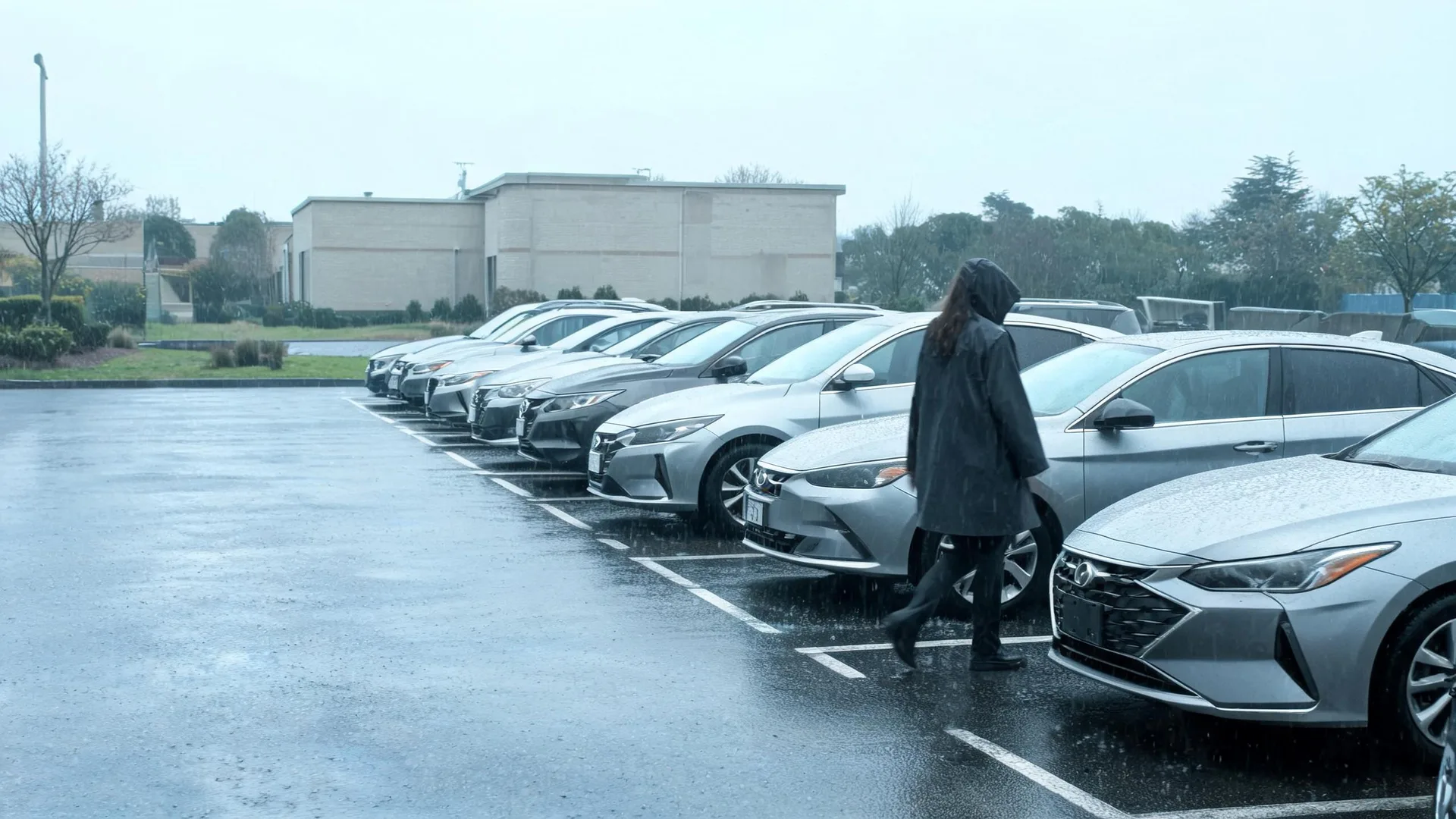
Retirement often means fewer miles on the road, and some insurers offer lower rates for lower annual mileage. If driving has dropped off, it's worth telling your insurer rather than assuming they already know.
The car itself matters too. An older, paid-off vehicle may only need liability coverage, which costs less than full coverage on a newer car. If the car is older than the loan or lease, ask your insurer whether dropping collision or comprehensive makes sense for your situation.
Alaska's rural areas and its cities carry different risks, from wildlife collisions to winter road conditions. Where the car is kept and driven affects the quote, so make sure your insurer has your correct address and typical driving area on file.
Questions people ask about this
Does Alaska require a vision test or driving test to renew a license at an older age?
That's set by the Alaska Division of Motor Vehicles, not by insurers. Renewal requirements can include vision screening at certain ages, but the rules and any age thresholds should be confirmed directly with the DMV, since insurance and licensing are handled separately.
Will my car insurance rate go up once I retire?
Retirement itself doesn't raise a rate. If retirement means driving less, some insurers lower the rate because low mileage reduces risk. If it means driving an older car less often, let your insurer know your current mileage and usage so the policy reflects it.
Can I add my grandchild to my car insurance policy in Alaska?
Usually yes, if they live in your household or drive your car regularly, but every insurer has its own rules about who can be added and how it affects the premium. Ask your insurer directly about adding a younger driver and what documentation they need.
Is there a senior discount on car insurance in Alaska?
Some insurers offer discounts tied to age or to completing an approved driver safety course, but this varies by company and isn't universal. Ask your insurer whether they offer one and what qualifies, since taking a course doesn't lower your rate automatically. You typically have to submit the certificate yourself.
Should I drop collision coverage on an older car?
That depends on the car's value and what you'd be able to pay to replace it out of pocket. If the car is worth little compared to the cost of the coverage, ask your insurer for the car's current value and compare it to what you're paying for collision and comprehensive combined.
See how different insurers price your record, your car, and your coverage before you decide what to change.
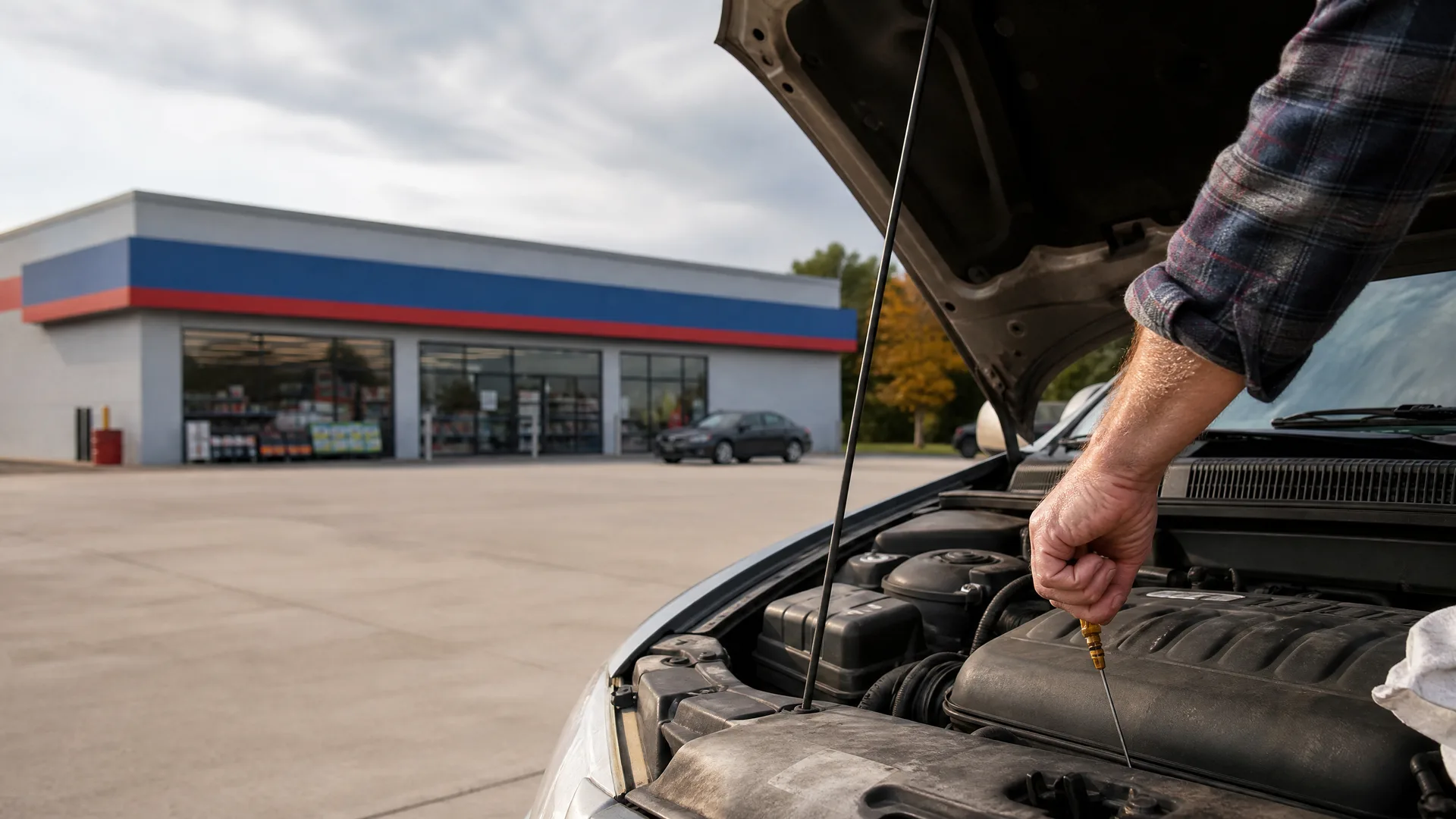
Pull up your current policy and your most recent renewal notice so you can see exactly what you're paying for now. Call your insurer and ask how your age, driving record, and mileage are factored into your rate, since the answer varies by company. If you've taken a driver safety course, confirm whether you've actually sent them the certificate. Ask about mileage-based discounts if you're driving less than before. Then compare that quote against a couple of other insurers to see whether your current company is still competitive for someone in your situation.